


Analyzing the Intersection of Pet Technology and Emotional Intelligence: Insights from Recent Funding Trends
By Startup Korea Research Desk | Apr 11, 2026 The pet technology sector is experiencing significant growth, driven by an increasing willingness among consumers to invest in products that enhance the well-being of their pets. A recent funding rou...


By Startup Korea Research Desk | Apr 11, 2026
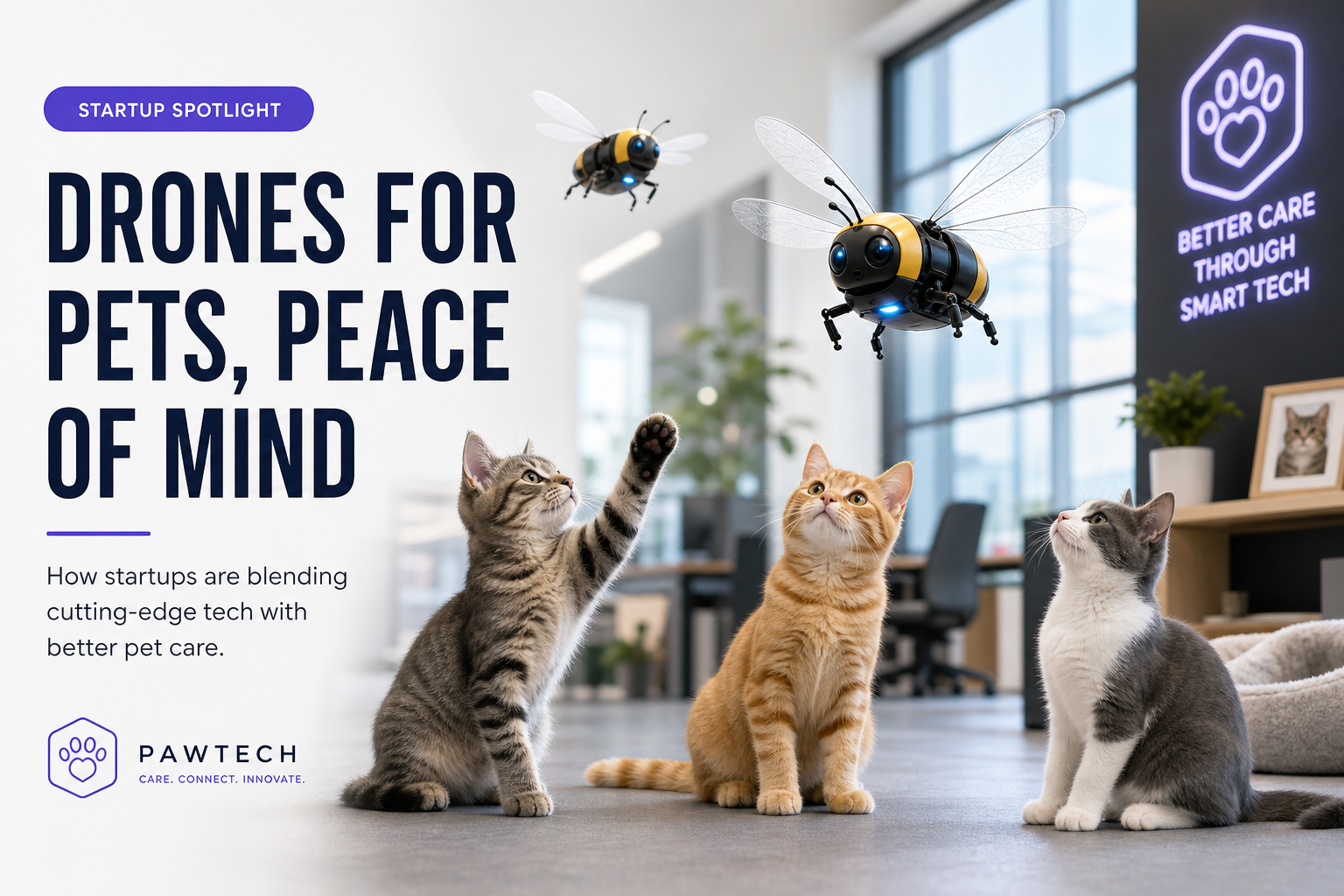
The pet technology sector is experiencing significant growth, driven by an increasing willingness among consumers to invest in products that enhance the well-being of their pets. A recent funding round of $50 million for a startup that merges GPS tracking with emotional detection technology highlights both the potential and challenges in this niche market.
Market Overview: The Rise of Pet Tech
The pet tech industry is projected to reach approximately $24 billion by 2027, fueled by a growing consumer trend towards pet pampering and health monitoring. According to various market analyses, around 35% of pet owners express a readiness to pay a premium for technology that promises to improve their pets' quality of life. This trend has catalyzed a surge of startups aiming to innovate within this space, offering everything from smart collars to health monitoring devices.
Innovative Approaches: Merging GPS with Emotional Detection
The recent funding for a startup that claims to integrate GPS technology with emotional inference capabilities represents a novel approach to pet care. This dual-functionality aims to provide pet owners with insights not only into their pets' physical location but also into their emotional states. Such innovations could potentially enhance the pet ownership experience by allowing owners to respond more effectively to their pets' needs.
Market Differentiation: Standing Out in a Crowded Space
While many companies are entering the pet tech market with various smart devices, the unique proposition of combining location tracking with emotional analytics sets this startup apart. However, the effectiveness and accuracy of emotion detection in pets remain critical questions. The ability to interpret a pet's feelings accurately is essential for the product's success and acceptance among consumers.
Challenges and Risks in Adoption
Despite the potential for market disruption, several challenges could hinder the adoption of such technology. Key risks include:
- Technological Limitations: The accuracy of emotional detection technology is still in its infancy. Developing reliable algorithms that can interpret a pet's emotional state based on biometric data poses significant challenges.
- Consumer Acceptance: While some pet owners may be enthusiastic about the idea of understanding their pets' emotions, others may view such technology as unnecessary or intrusive.
- Market Saturation: The rapid influx of startups in the pet tech space may lead to market saturation, making it difficult for new entrants to gain traction.
Investor Diligence: Evaluating Business Models
For investors, the decision to fund startups in this sector requires careful diligence. Evaluating the viability of business models that hinge on innovative technology is crucial. Investors must consider not only the technological feasibility but also the market demand for such products. The success of this startup will depend on its ability to demonstrate that its product meets a genuine need among pet owners.
Strategic Considerations for Founders
Founders in the pet tech industry should focus on several strategic areas to enhance their chances of success:
- Research and Development: Investing in R&D to improve the accuracy and reliability of emotional detection technology will be critical.
- Consumer Education: Educating potential customers about the benefits and functionalities of the product can help drive adoption.
- Partnerships: Collaborating with veterinarians and pet care professionals can lend credibility to the product and facilitate market entry.
Conclusion
The intersection of pet technology and emotional intelligence presents exciting opportunities for innovation. However, the path to success is fraught with challenges that require careful navigation. As the market continues to evolve, startups must remain agile, focusing on technological advancements and consumer needs to thrive in this competitive landscape.
Editor's note: This article provides original market analysis and is not intended as investment advice.
What's Your Reaction?
 Like
0
Like
0
 Dislike
0
Dislike
0
 Love
0
Love
0
 Funny
0
Funny
0
 Angry
0
Angry
0
 Sad
0
Sad
0
 Wow
0
Wow
0