

Analyzing the Intersection of Mental Health and Vending Technology: Market Opportunities and Risks
By Startup Korea Research Desk | Apr 09, 2026 The intersection of mental health and technology has garnered significant attention in recent years, particularly as global awareness of mental health issues continues to rise. Startups that aim to a...

By Startup Korea Research Desk | Apr 09, 2026
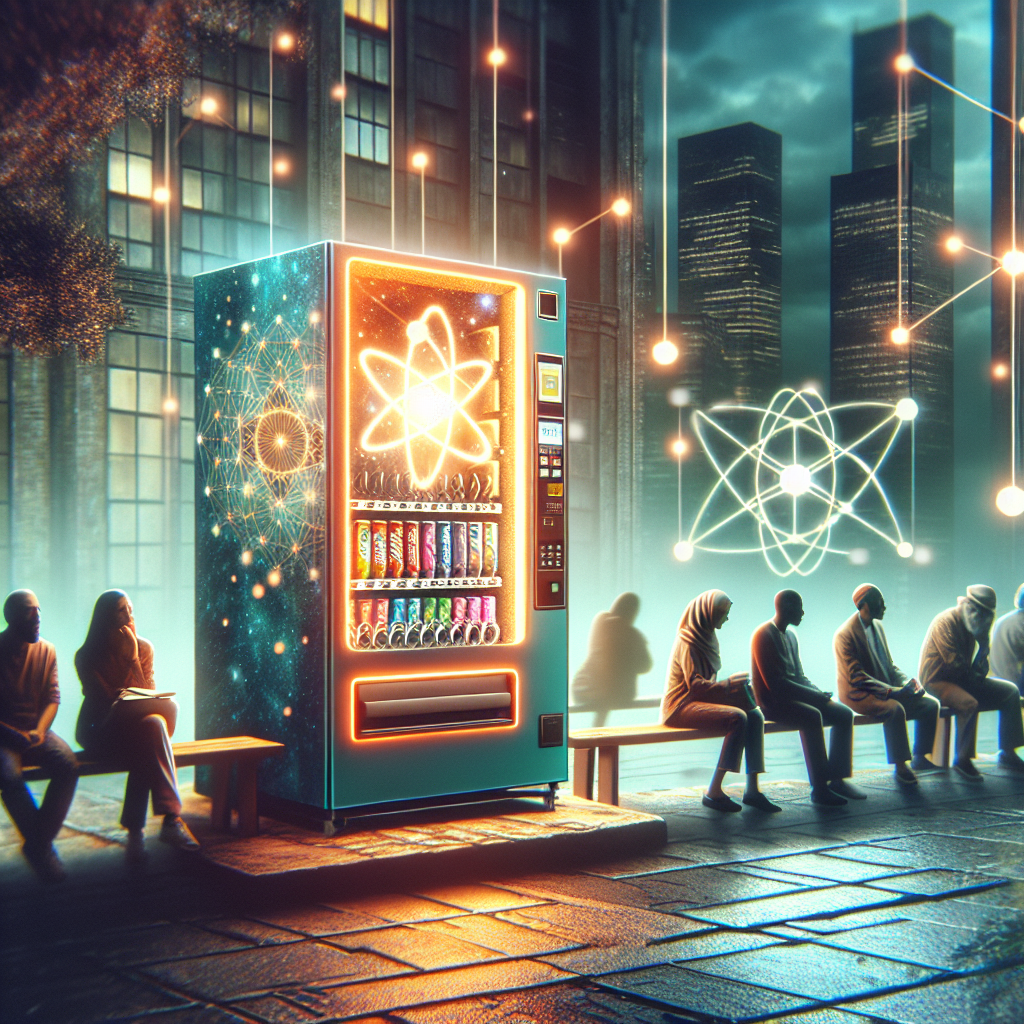
The intersection of mental health and technology has garnered significant attention in recent years, particularly as global awareness of mental health issues continues to rise. Startups that aim to address these challenges are emerging, often leveraging innovative business models that seek to engage consumers in unique ways. One such model is represented by the concept of vending machines designed to cater to individuals experiencing emotional distress.
Market Trends in Mental Health Technology
The mental health technology market is projected to reach $537 billion by 2030, with a compound annual growth rate (CAGR) of 12.6%. This growth is driven by increasing demand for mental health services, particularly in the wake of the COVID-19 pandemic, which has exacerbated existing mental health issues for many individuals. As a result, there is a growing market for solutions that provide immediate support and resources for those in need.
Vending machines, traditionally associated with convenience and quick snacks, are now being reimagined as platforms for delivering mental health resources. This trend reflects a broader movement toward integrating technology into everyday experiences to address emotional well-being. The global vending machine market itself is expected to grow at a CAGR of 9.1% over the next five years, indicating a ripe opportunity for innovation within this space.
Business Model Viability
The concept of a vending machine that operates under specific emotional conditions—such as during periods of sadness—raises intriguing questions about consumer engagement and business model viability. While the idea may seem unconventional, it taps into the notion of 'retail therapy,' where consumers seek comfort in purchasing products during challenging emotional states.
However, the success of such a business model hinges on several factors:
- Consumer Acceptance: The willingness of consumers to engage with a vending machine that is explicitly linked to their emotional state will be critical. Marketing strategies must effectively communicate the value proposition while ensuring that the approach is sensitive to mental health issues.
- Product Offering: The types of products dispensed will also play a significant role. Items that promote well-being, such as stress-relief tools, self-care products, or even healthy snacks, may resonate more positively with consumers than traditional vending machine fare.
- Operational Feasibility: The technology required to assess emotional states and operate the vending machines effectively must be reliable and user-friendly. This includes the integration of artificial intelligence and data analytics to gauge user sentiment accurately.
Adoption Risks and Challenges
Despite the potential for success, there are inherent risks associated with this business model. One significant challenge is the ethical implications of monetizing emotional vulnerability. Companies must navigate the fine line between providing genuine support and exploiting consumers' emotional states for profit.
Additionally, the operational complexity of such vending machines could pose challenges. The technology required to assess emotional states accurately and ensure the machines activate only under specific conditions is still developing. There is a risk that technical failures could lead to consumer dissatisfaction or mistrust.
Investor Diligence
For investors considering opportunities in this space, thorough due diligence is essential. Evaluating the startup's technology, market positioning, and understanding the regulatory landscape surrounding mental health services will be critical. Investors should also assess the startup's ability to pivot and adapt its business model in response to market feedback and changing consumer preferences.
Founder Strategy and Vision
The vision and strategy of the founding team will significantly influence the startup's trajectory. Founders must possess a deep understanding of both mental health issues and consumer behavior to create a product that resonates with users. Building partnerships with mental health professionals and organizations could enhance credibility and provide valuable insights into product development.
Furthermore, effective marketing strategies that emphasize the positive impact of the product on mental well-being will be crucial in attracting and retaining customers. Transparency in operations and a commitment to ethical practices will also be vital in establishing trust within the target market.
Conclusion
The integration of mental health support into everyday technologies, such as vending machines, represents a novel approach to addressing a growing societal need. While the market potential is significant, the success of such initiatives will depend on careful consideration of consumer engagement, ethical implications, and operational challenges. As the mental health technology landscape continues to evolve, startups that prioritize genuine support and innovative solutions may find themselves well-positioned for success.
Editor's note: This is original market analysis and not investment advice.
What's Your Reaction?
 Like
0
Like
0
 Dislike
0
Dislike
0
 Love
0
Love
0
 Funny
0
Funny
0
 Angry
0
Angry
0
 Sad
0
Sad
0
 Wow
0
Wow
0