




Analyzing the Intersection of Fintech and Sustainable Fashion: Market Trends and Challenges
By Startup Korea Research Desk | Apr 18, 2026 The sustainable fashion sector is experiencing significant transformation, driven by a growing consumer consciousness regarding environmental impact and the increasing integration of technology in ev...

By Startup Korea Research Desk | Apr 18, 2026
The sustainable fashion sector is experiencing significant transformation, driven by a growing consumer consciousness regarding environmental impact and the increasing integration of technology in everyday life. As the market for sustainable fashion expands, new business models are emerging that seek to monetize the carbon footprint of clothing, presenting both opportunities and challenges for investors and entrepreneurs alike.
The Sustainable Fashion Market: A Growing Opportunity
Recent market research indicates that the sustainable fashion industry is poised for substantial growth, with projections suggesting an annual increase of approximately 24%, potentially reaching a market value of $8 billion by 2027. This rapid expansion is attracting a diverse range of investors who are keen to capitalize on the shift towards environmentally friendly consumer practices.
Innovative Business Models: Tokenizing Carbon Footprints
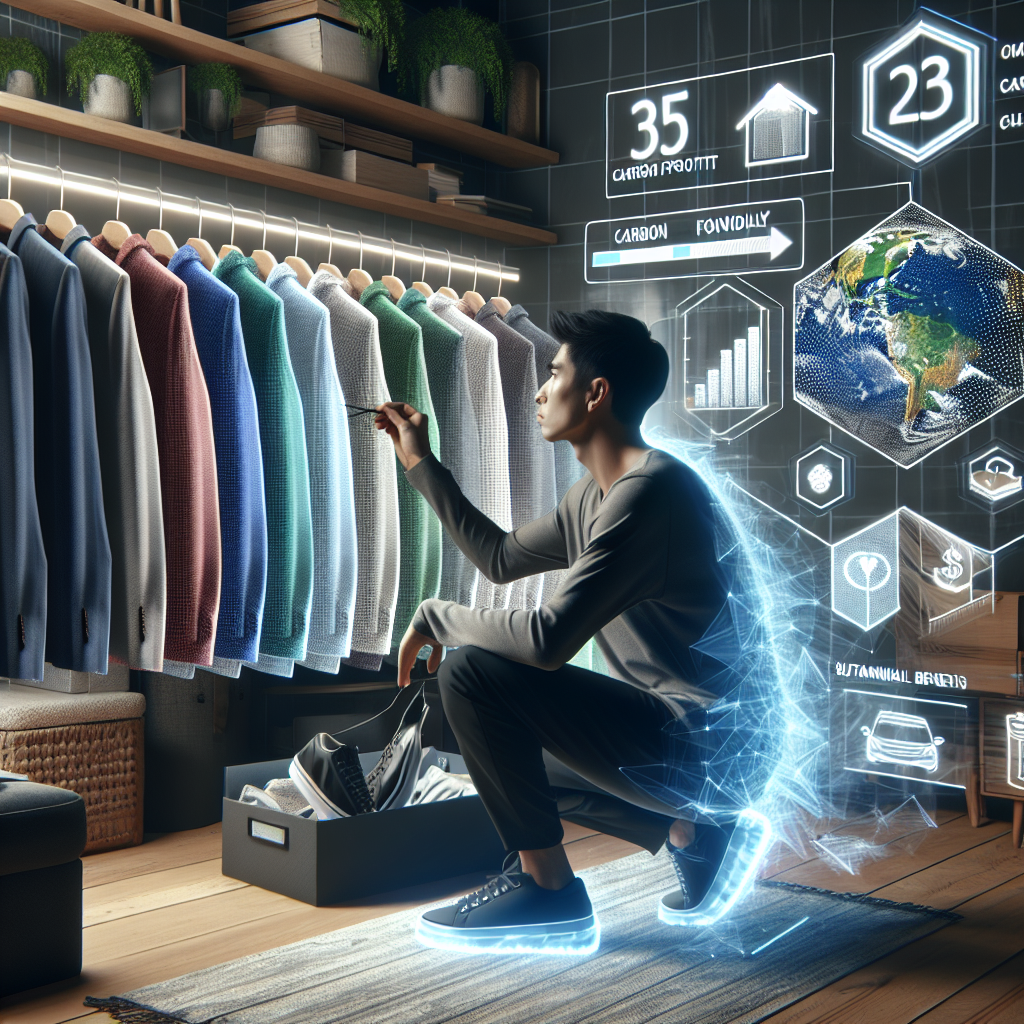
One of the most intriguing developments in this space is the emergence of fintech solutions that aim to tokenize the carbon footprint associated with clothing. By quantifying the emissions linked to individual garments, these platforms offer consumers a way to understand and potentially monetize their wardrobe's environmental impact. This approach not only aligns with the growing trend of carbon offsetting but also introduces a novel financial incentive for sustainable consumer behavior.
Technology as a Catalyst: The Role of MQTT Orchestration
Central to these fintech innovations is the use of advanced technologies such as MQTT (Message Queuing Telemetry Transport) orchestration. This technology facilitates efficient data collection and management, enabling users to track their clothing emissions seamlessly. By simplifying the process of monitoring environmental impact, such platforms can enhance user engagement and drive adoption.
Investor Sentiment: Opportunities and Concerns
While the potential for profit in this sector is evident, investor sentiment is mixed. High-profile investment firms are showing interest, viewing these fintech solutions as a means to transform fashion into a financial asset. However, there are underlying concerns regarding the scalability and practicality of these business models. Analysts caution that while the concept of monetizing closet emissions is appealing, its implementation may face significant hurdles.
- Consumer Engagement: Will consumers be motivated enough to actively track their emissions, or will this initiative lack sufficient traction?
- Market Saturation: As more players enter the sustainable fashion space, how will individual brands differentiate themselves?
- Regulatory Environment: What regulatory challenges might arise as these fintech solutions gain traction?
Strategic Considerations for Founders
For entrepreneurs looking to enter this market, a clear strategy is essential. Founders should focus on:
- Building Trust: Establishing credibility with consumers will be crucial, particularly in a market where skepticism about new technologies can be high.
- Enhancing User Experience: Simplifying the user interface and ensuring that the technology is accessible will be key to driving adoption.
- Partnerships: Collaborating with established brands and sustainability advocates can enhance visibility and credibility.
Conclusion: Navigating the Future of Sustainable Fashion
The intersection of fintech and sustainable fashion presents a unique opportunity for innovation and investment. As the market continues to evolve, businesses that can effectively leverage technology to engage consumers and provide tangible benefits will likely succeed. However, the path forward is fraught with challenges that require careful consideration and strategic planning.
Editor's note: This article is original market analysis and not investment advice.
What's Your Reaction?
 Like
0
Like
0
 Dislike
0
Dislike
0
 Love
0
Love
0
 Funny
0
Funny
0
 Angry
0
Angry
0
 Sad
0
Sad
0
 Wow
0
Wow
0