
Analyzing the Future of Retail Technology: Investment Trends and Market Dynamics
By Startup Korea Research Desk | May 21, 2026 The retail sector is undergoing a significant transformation, driven by advancements in technology and changing consumer behaviors. As companies seek to enhance customer experiences, the integration...

By Startup Korea Research Desk | May 21, 2026
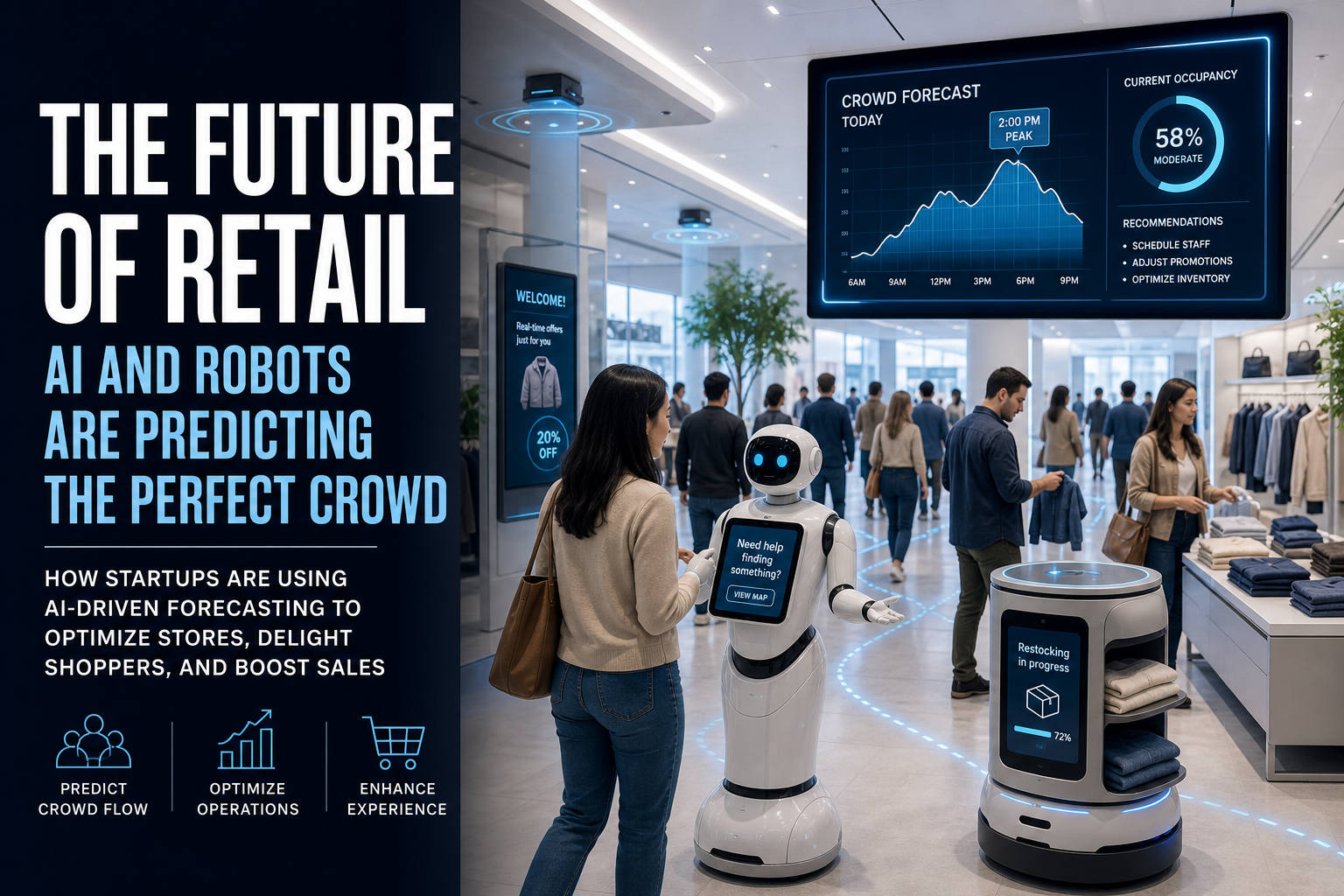
The retail sector is undergoing a significant transformation, driven by advancements in technology and changing consumer behaviors. As companies seek to enhance customer experiences, the integration of autonomous systems and predictive analytics is becoming increasingly prevalent. This analysis explores the current trends in retail technology, the implications for investors, and the strategic considerations for startups entering this competitive landscape.
Market Dynamics and Growth Potential
The autonomous retail technology sector is projected to experience robust growth, with estimates suggesting an annual increase of over 25%, potentially reaching $60 billion by 2030. This growth is fueled by the increasing demand for efficiency and enhanced customer satisfaction in retail environments. As retailers strive to optimize operations and improve the shopping experience, the adoption of innovative solutions such as crowd forecasting engines and autonomous robots is gaining traction.
Consumer Behavior and Technology Adoption
Understanding consumer behavior is critical for the successful implementation of new technologies in retail. Shoppers today are more informed and expect seamless experiences. Technologies that can predict in-store congestion and streamline the shopping process are particularly appealing. However, the adoption of such technologies is not without challenges. Retailers must ensure that the solutions they implement align with actual consumer needs and preferences.
Investment Considerations
As the market for retail technology expands, investors are increasingly scrutinizing startups that promise to revolutionize the shopping experience. While the potential for high returns exists, there are inherent risks associated with investing in emerging technologies. Investors must conduct thorough due diligence, assessing the viability of the technology, the competency of the founding team, and the scalability of the business model.
- Technology Viability: Investors should evaluate the technical feasibility of the proposed solutions, including the accuracy of predictive algorithms and the adaptability of the technology to changing market conditions.
- Market Fit: Startups must demonstrate a clear understanding of their target market and how their technology addresses specific pain points faced by retailers and consumers.
- Scalability: The ability to scale operations and technology is crucial for long-term success. Investors should assess whether the startup has a roadmap for growth and the resources to execute it.
- Competitive Landscape: With numerous startups entering the market, understanding the competitive dynamics is essential. Investors should consider how a startup differentiates itself from existing players.
Strategic Considerations for Founders
For founders in the retail technology space, developing a robust strategy is essential for navigating the complexities of the market. Key considerations include:
- Building Partnerships: Collaborating with established retailers can provide valuable insights and facilitate the adoption of new technologies.
- Iterative Development: Emphasizing an iterative approach to product development allows startups to refine their offerings based on real-world feedback and changing consumer behaviors.
- Focus on User Experience: Prioritizing user experience in technology design can enhance customer satisfaction and drive adoption rates.
- Data Utilization: Leveraging data analytics to inform decision-making and improve predictive capabilities is crucial for maintaining a competitive edge.
Conclusion
The intersection of technology and retail presents both opportunities and challenges. As startups like SwiftCrowd explore innovative solutions to enhance the shopping experience, the importance of sound business models and strategic execution cannot be overstated. Investors must remain vigilant in assessing the potential risks and rewards associated with these emerging technologies.
Editor's note: This analysis is original market research and does not constitute investment advice.
What's Your Reaction?
 Like
0
Like
0
 Dislike
0
Dislike
0
 Love
0
Love
0
 Funny
0
Funny
0
 Angry
0
Angry
0
 Sad
0
Sad
0
 Wow
0
Wow
0