



Analyzing the Emerging SaaS Market for Emotion Recognition Technologies
By Startup Korea Research Desk | May 19, 2026 The software as a service (SaaS) sector continues to evolve, with innovative solutions emerging to enhance traditional business practices. One such development is the integration of emotion recogniti...


By Startup Korea Research Desk | May 19, 2026
The software as a service (SaaS) sector continues to evolve, with innovative solutions emerging to enhance traditional business practices. One such development is the integration of emotion recognition technology into networking tools, which aims to redefine how professionals make first impressions. This analysis explores the market potential, business model viability, and associated risks of adopting such technologies.
Market Overview
The global SaaS market is projected to reach approximately $1 trillion by 2027, with a compound annual growth rate (CAGR) of 18%. This growth is driven by increasing demand for cloud-based solutions that enhance operational efficiency and improve user experience. As businesses seek to differentiate themselves in a crowded marketplace, innovative applications that leverage artificial intelligence (AI) are becoming increasingly attractive.
Emotion Recognition Technology: A New Frontier
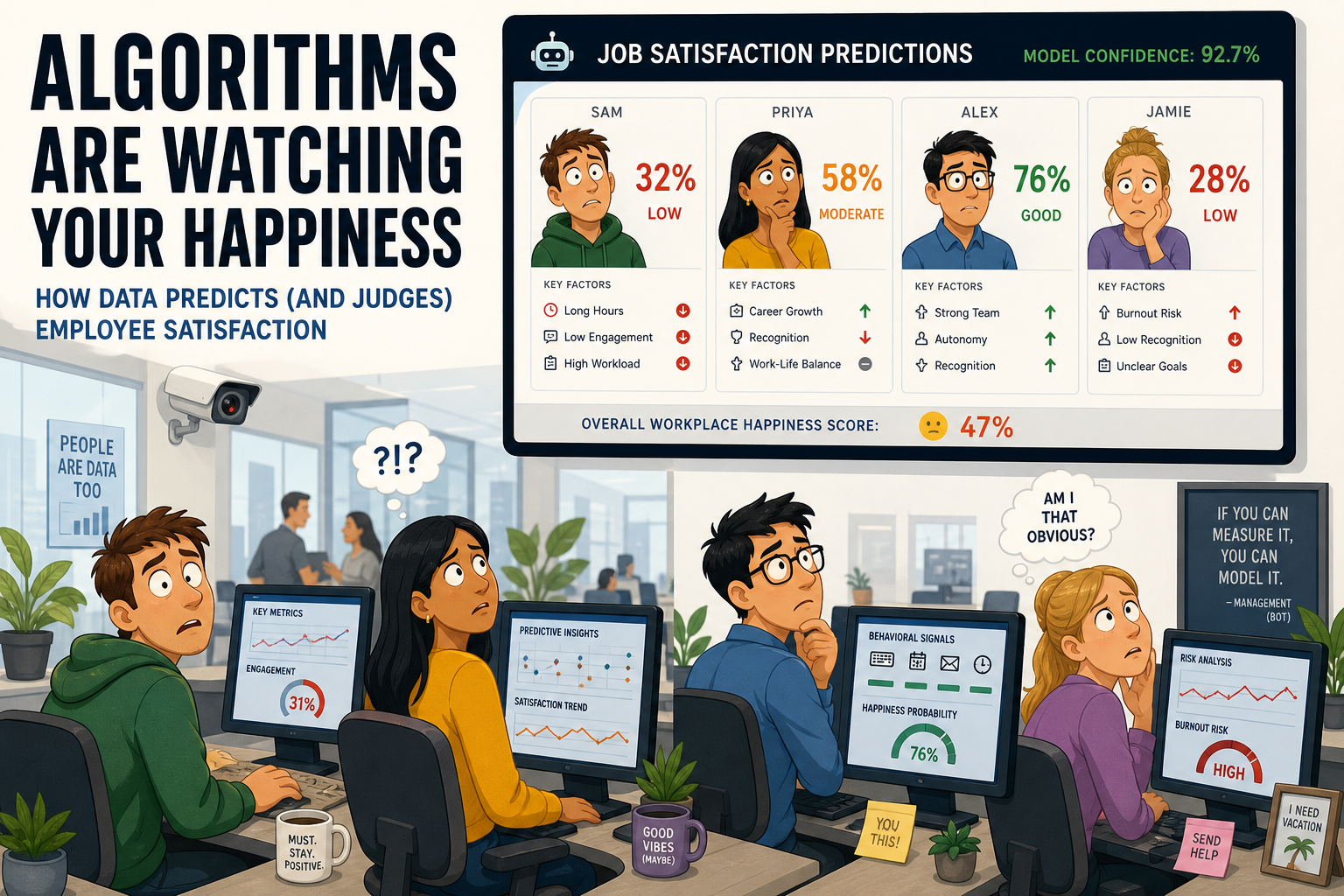
Recent advancements in AI have made it possible to analyze human emotions through facial expressions and vocal tones in real time. This technology is being positioned as a tool for enhancing networking experiences, particularly in professional settings where first impressions are critical. By providing insights into a potential partner's emotional state, users can tailor their interactions to foster more meaningful connections.
Business Model Viability
The introduction of emotion recognition into networking tools presents both opportunities and challenges. On one hand, the ability to gauge emotional responses could significantly enhance the effectiveness of business interactions. On the other hand, the reliance on technology for understanding human emotions raises questions about accuracy and ethical implications.
- Value Proposition: The primary value proposition lies in the promise of improved networking outcomes. By offering real-time emotional insights, businesses can potentially increase their success rates in forming partnerships.
- Revenue Streams: Companies in this space may explore various revenue models, including subscription-based services, tiered pricing for advanced features, and partnerships with larger networking platforms.
- Market Differentiation: As the SaaS market becomes saturated, emotion recognition technology could serve as a unique selling point, attracting users looking for innovative solutions to enhance their professional interactions.
Adoption Risks
While the potential benefits of emotion recognition technology are compelling, several risks must be considered:
- Accuracy and Reliability: The effectiveness of emotion recognition systems depends on their ability to accurately interpret human emotions. Misinterpretations could lead to misunderstandings and negatively impact professional relationships.
- Privacy Concerns: The collection and analysis of emotional data raise significant privacy issues. Users may be hesitant to adopt technology that monitors their emotional states, fearing misuse of their personal information.
- Market Acceptance: The success of such technologies hinges on user acceptance. Professionals may be skeptical about the value of emotion recognition, preferring traditional methods of networking.
Investor Considerations
Investors are increasingly drawn to startups that leverage cutting-edge technology to solve real-world problems. However, due diligence is essential when evaluating companies in the emotion recognition space. Key factors to consider include:
- Technology Validation: Investors should assess the robustness of the underlying technology and its ability to deliver on its promises.
- Market Demand: Understanding the target market and its readiness to adopt new technologies is crucial for predicting future growth.
- Founder Expertise: The background and experience of the founding team can significantly influence a startup's likelihood of success.
Strategic Implications for Founders
For founders looking to enter the emotion recognition market, several strategic considerations can enhance their chances of success:
- Focus on User Experience: Ensuring that the technology is user-friendly and seamlessly integrates into existing networking practices will be critical for adoption.
- Build Trust: Transparency regarding data usage and privacy policies can help alleviate user concerns and foster trust in the technology.
- Iterate Based on Feedback: Engaging with early adopters to gather feedback can inform product development and improve the overall offering.
As the SaaS market continues to expand, the integration of emotion recognition technology presents a unique opportunity for innovation in professional networking. However, stakeholders must navigate the complexities of technology adoption, privacy concerns, and market readiness to realize the full potential of these advancements.
Editor's note: This analysis is original market research and does not constitute investment advice.
What's Your Reaction?
 Like
0
Like
0
 Dislike
0
Dislike
0
 Love
0
Love
0
 Funny
0
Funny
0
 Angry
0
Angry
0
 Sad
0
Sad
0
 Wow
0
Wow
0