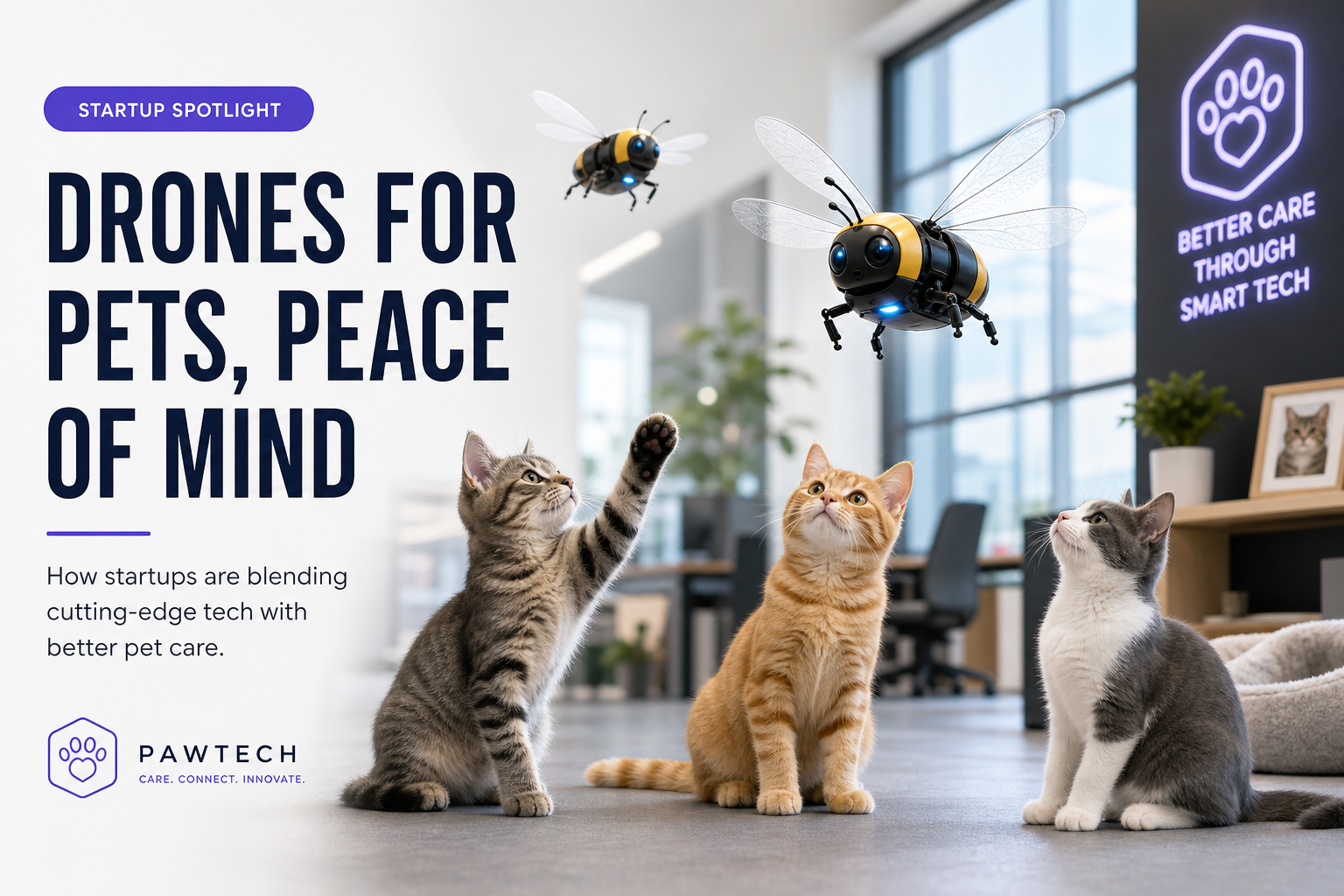





AI in Animal Welfare: Evaluating the Market Potential of Innovative Rescue Solutions
By Startup Korea Research Desk | May 07, 2026 Introduction The intersection of technology and animal welfare is gaining traction, as evidenced by the emergence of startups focused on innovative solutions for pet rescue. One such startup has rece...


By Startup Korea Research Desk | May 07, 2026
Introduction
The intersection of technology and animal welfare is gaining traction, as evidenced by the emergence of startups focused on innovative solutions for pet rescue. One such startup has recently introduced an AI-powered platform designed to enhance the efficiency of animal rescue operations. This analysis explores the market trends, business model viability, adoption risks, and investor considerations surrounding this new venture.
Market Trends in Pet Ownership and Welfare
The global pet ownership rate has been on the rise, with approximately 67% of households in the United States owning pets, translating to about 85 million pet-owning households. This increase in pet ownership correlates with a growing concern for animal welfare, particularly as the number of lost and abandoned animals continues to escalate. According to the American Society for the Prevention of Cruelty to Animals (ASPCA), around 6.5 million animals enter shelters each year, highlighting a significant demand for effective rescue solutions.
As the pet industry expands, there is a notable shift towards integrating technology into traditional practices. This trend is driven by the need for improved operational efficiency and enhanced outcomes for animals in distress. Startups that leverage AI and data analytics to address these challenges are positioned to capitalize on this growing market.
Business Model Viability
The business model of AI-driven animal rescue platforms typically revolves around providing a service that connects distressed pets with nearby shelters and foster homes. By utilizing advanced algorithms to assess the emotional and physical conditions of animals, these platforms aim to streamline the rescue process. Users can upload videos of animals in need, prompting the system to generate tailored recommendations for potential placements.
This model not only addresses the immediate needs of pets but also enhances the overall efficiency of animal welfare organizations. By improving response times and placement success rates, such platforms can potentially reduce the burden on shelters and foster homes, leading to better outcomes for animals.
Adoption Risks and Challenges
While the potential benefits of AI in animal rescue are significant, there are inherent risks and challenges that must be addressed. One major concern is the accuracy and reliability of the algorithms used to assess an animal's condition. Misinterpretations could lead to inappropriate recommendations, ultimately affecting the welfare of the animals involved.
Additionally, there is the challenge of user adoption. For such a platform to be successful, it must gain traction among pet owners, shelters, and rescue organizations. Educating these stakeholders about the technology and its benefits will be crucial for widespread acceptance.
Moreover, data privacy and ethical considerations surrounding the use of AI in sensitive contexts like animal welfare must be carefully navigated. Ensuring that user data is handled responsibly and transparently will be vital for building trust among users.
Investor Diligence and Market Outlook
The investment landscape for pet-related startups has seen notable growth, with a reported 40% increase in funding for ventures that offer socially responsible solutions. Investors are increasingly recognizing the potential of technology-driven approaches to address pressing social issues, including animal welfare.
When evaluating investment opportunities in this sector, investors should consider several factors:
- Market Demand: Assess the current and projected demand for animal rescue services and the role of technology in meeting that demand.
- Competitive Landscape: Analyze existing competitors and their offerings to identify unique value propositions.
- Scalability: Evaluate the scalability of the business model and its potential for expansion into new markets.
- Regulatory Environment: Understand the regulatory landscape surrounding animal welfare and technology to anticipate potential challenges.
- Founder Expertise: Consider the background and experience of the founding team in both technology and animal welfare sectors.
Conclusion
The integration of AI into animal rescue represents a promising frontier in the intersection of technology and social responsibility. As the market for pet-related startups continues to grow, innovative solutions that enhance animal welfare are likely to attract attention from both consumers and investors. However, addressing the associated risks and challenges will be crucial for the long-term success of these ventures.
Editor's note: This is original market analysis and not investment advice.
What's Your Reaction?
 Like
0
Like
0
 Dislike
0
Dislike
0
 Love
0
Love
0
 Funny
0
Funny
0
 Angry
0
Angry
0
 Sad
0
Sad
0
 Wow
0
Wow
0