





AI-Driven Waste Sorting: A New Frontier in Environmental Sustainability
AI-Driven Waste Sorting: A New Frontier in Environmental Sustainability By Startup Korea Research Desk | Apr 07, 2026 The intersection of technology and environmental sustainability has become a focal point for innovation, particularly in the wa...

AI-Driven Waste Sorting: A New Frontier in Environmental Sustainability
By Startup Korea Research Desk | Apr 07, 2026
The intersection of technology and environmental sustainability has become a focal point for innovation, particularly in the waste management sector. Recent developments indicate a growing trend toward integrating artificial intelligence (AI) into waste sorting processes, a move that could potentially revolutionize how we manage waste. As the global waste crisis intensifies, the demand for efficient and effective waste management solutions is more pressing than ever.
Market Dynamics and Growth Potential
The global waste management market is currently valued at approximately $400 billion, with an expected annual growth rate of 5% over the next five years. This growth is driven by increasing urbanization, rising waste generation, and heightened regulatory pressures aimed at promoting recycling and reducing landfill use. The integration of AI technologies into waste management systems is anticipated to accelerate this growth, as it offers the potential for enhanced sorting accuracy, reduced operational costs, and improved recycling rates.
Investment Trends in AI Waste Management
Recent funding rounds in the sector highlight a significant investor interest in AI-driven waste management solutions. For instance, a notable startup has recently secured $50 million in funding to develop an automated waste sorting system powered by AI. This influx of capital reflects a broader trend where investors are increasingly looking for opportunities that align with sustainability goals while also promising robust returns. The projected investment in sustainable technology is expected to reach $100 billion by 2028, signaling strong confidence in the sector's future.
Business Model Viability
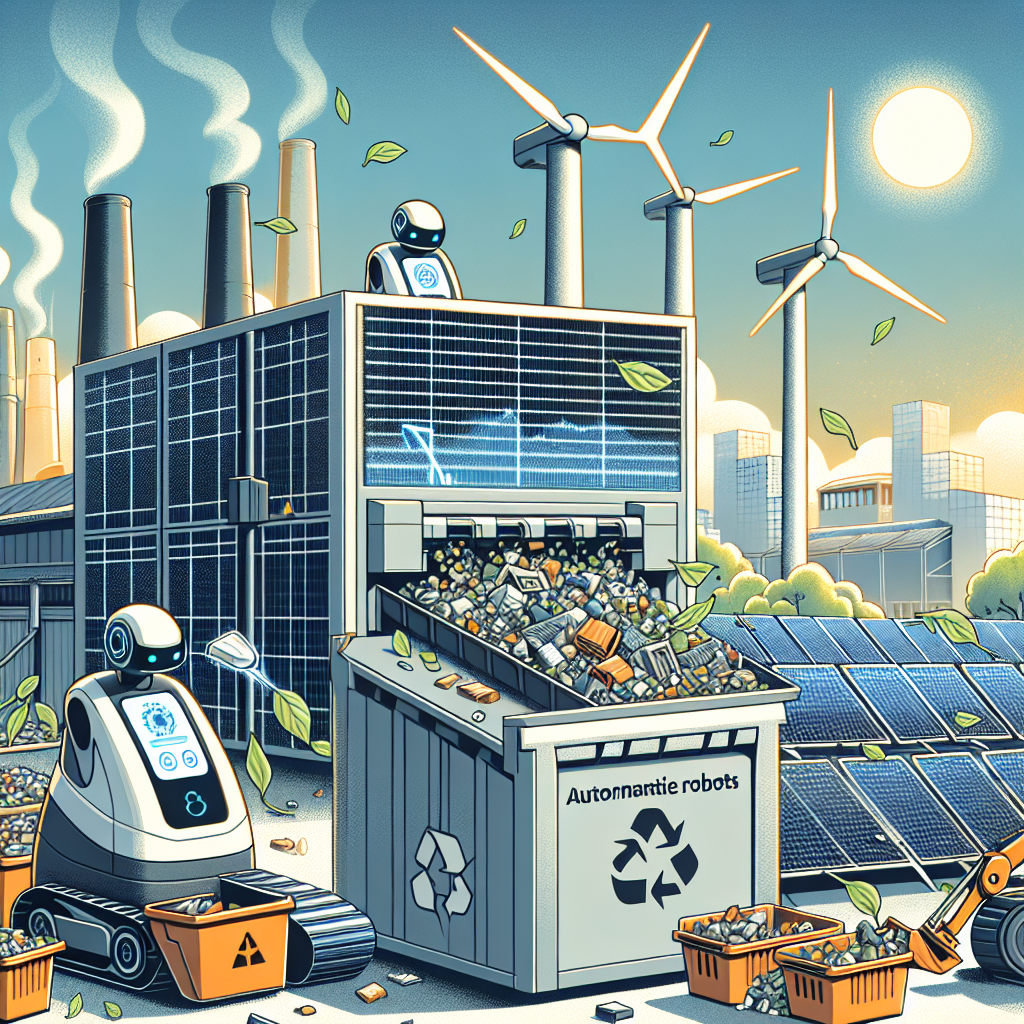
The business models emerging in the AI waste management space are diverse, often combining advanced technology with renewable energy solutions. For example, some companies are exploring the integration of transparent solar films into waste management facilities, which could generate energy to offset operational costs. This dual approach not only enhances the economic viability of waste sorting operations but also aligns with broader sustainability objectives.
Adoption Risks and Challenges
Despite the promising outlook, there are inherent risks associated with the adoption of AI in waste management. Industry experts caution against over-reliance on automation, emphasizing the importance of maintaining human oversight in the sorting process. The complexity of waste streams and the variability of materials can pose significant challenges for AI systems, which may struggle to accurately identify and sort certain items. Additionally, the initial investment in technology and infrastructure can be substantial, raising concerns about the return on investment for municipalities and private waste management companies.
Strategic Considerations for Founders
For founders in the AI waste management space, developing a clear strategy that addresses both technological capabilities and market needs is crucial. This includes understanding the regulatory landscape, engaging with stakeholders, and ensuring that solutions are scalable and adaptable to different waste management contexts. Building partnerships with municipalities and waste management companies can also enhance credibility and facilitate smoother market entry.
Conclusion
The integration of AI into waste sorting processes represents a significant opportunity for innovation in the waste management sector. As the market continues to evolve, stakeholders must navigate the complexities of technology adoption while remaining focused on sustainability goals. The potential for improved efficiency and effectiveness in waste management is substantial, but success will depend on a balanced approach that considers both technological advancements and the fundamental challenges of waste management.
Editor's note: This is original market analysis and not investment advice.
What's Your Reaction?
 Like
0
Like
0
 Dislike
0
Dislike
0
 Love
0
Love
0
 Funny
0
Funny
0
 Angry
0
Angry
0
 Sad
0
Sad
0
 Wow
0
Wow
0