



The Rise of Workplace Happiness Measurement: An Analysis of Market Trends and Investment Opportunities
The Rise of Workplace Happiness Measurement: An Analysis of Market Trends and Investment Opportunities By Startup Korea Research Desk | May 23, 2026 In recent years, the concept of workplace happiness has gained significant traction as organizat...

The Rise of Workplace Happiness Measurement: An Analysis of Market Trends and Investment Opportunities
By Startup Korea Research Desk | May 23, 2026
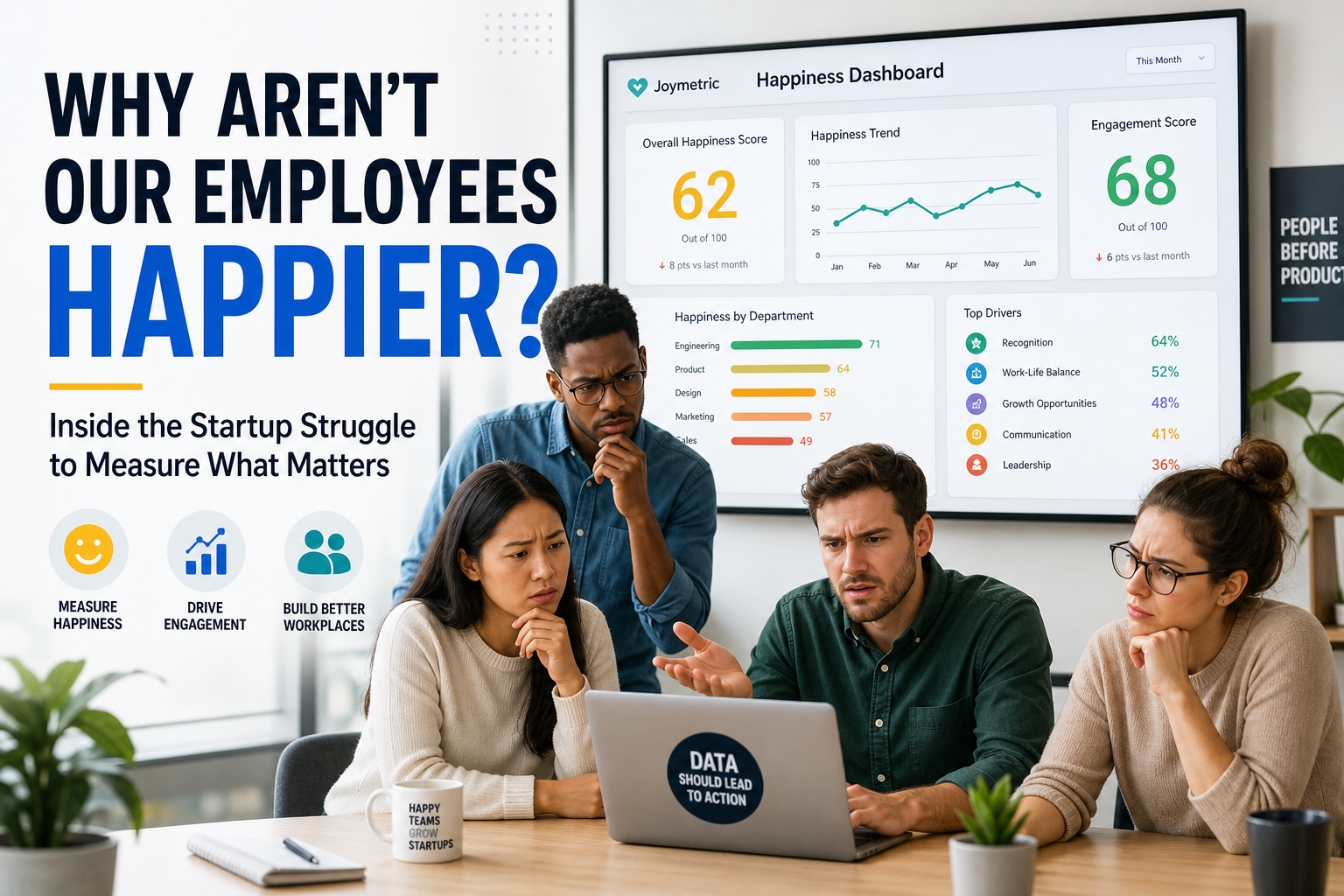
In recent years, the concept of workplace happiness has gained significant traction as organizations increasingly recognize the importance of employee well-being. This shift is not merely a trend but a reflection of a broader understanding of how employee satisfaction impacts productivity, retention, and overall business success. As a result, startups focusing on measuring and enhancing workplace happiness are attracting considerable attention from investors.
Market Context: Growth of the Corporate Wellness Sector
The corporate wellness market is projected to grow from $57 billion in 2023 to approximately $83 billion by 2028. This growth underscores a growing recognition among businesses that investing in employee well-being is essential for maintaining a competitive edge. Companies are moving beyond traditional benefits packages to adopt more holistic approaches that include mental health support, flexible work arrangements, and innovative tools for measuring employee satisfaction.
The Role of Technology in Measuring Happiness
Technological advancements have played a pivotal role in the evolution of workplace wellness initiatives. Startups are leveraging data analytics, artificial intelligence, and user-friendly platforms to provide organizations with actionable insights into employee morale. By employing sophisticated algorithms and real-time feedback mechanisms, these companies enable HR departments to gauge employee sentiment more accurately and implement targeted interventions.
Business Models and Value Proposition
Startups in this space typically offer subscription-based models, providing companies with ongoing access to their platforms and continuous updates on employee engagement metrics. This model not only ensures a steady revenue stream for the startups but also allows organizations to adapt their strategies in real-time, fostering a culture of continuous improvement.
- Data-Driven Insights: Startups provide detailed analytics that help organizations identify trends in employee satisfaction and areas needing improvement.
- Actionable Recommendations: Beyond measurement, these platforms often suggest tailored strategies to enhance workplace culture and employee engagement.
- Integration with Existing HR Systems: Many solutions are designed to seamlessly integrate with existing HR software, minimizing disruption and enhancing usability.
Adoption Risks and Challenges
Despite the promising outlook, there are inherent risks associated with the adoption of workplace happiness measurement tools. One significant challenge is ensuring data privacy and security, as employee sentiment data can be sensitive. Organizations must navigate the complexities of data protection regulations while fostering an environment of trust among employees.
Moreover, there is a risk of over-reliance on quantitative metrics. While data can provide valuable insights, it is essential for organizations to complement these findings with qualitative assessments to capture the full spectrum of employee experiences.
Investor Diligence: Evaluating Startups in the Space
For investors considering opportunities in this burgeoning market, due diligence is critical. Key factors to evaluate include:
- Market Fit: Understanding the startup's target market and its alignment with current trends in employee wellness.
- Technology Scalability: Assessing the robustness of the technology and its ability to scale as client needs evolve.
- Founder's Vision: Evaluating the founder's experience and vision for the company, as strong leadership is often a predictor of success.
Strategic Considerations for Founders
For founders in this space, developing a clear value proposition is essential. Startups must articulate how their solutions differ from existing offerings and demonstrate tangible benefits to potential clients. Building partnerships with established HR firms or wellness providers can also enhance credibility and facilitate market entry.
Furthermore, fostering a culture of innovation within the organization will be crucial for adapting to the rapidly changing landscape of employee wellness. Continuous feedback from users can guide product development and ensure that offerings remain relevant.
Conclusion
The measurement of workplace happiness represents a significant opportunity for startups and investors alike. As organizations increasingly prioritize employee well-being, the demand for innovative solutions in this space is likely to grow. However, stakeholders must remain vigilant about the associated risks and challenges, ensuring that investments are made with a clear understanding of market dynamics and the unique needs of businesses.
Editor's note: This analysis is original market research and does not constitute investment advice.
What's Your Reaction?
 Like
0
Like
0
 Dislike
0
Dislike
0
 Love
0
Love
0
 Funny
0
Funny
0
 Angry
0
Angry
0
 Sad
0
Sad
0
 Wow
0
Wow
0