




The Rise of Virtual Commute Platforms: Navigating Market Trends and Adoption Risks
The Rise of Virtual Commute Platforms: Navigating Market Trends and Adoption Risks By Startup Korea Research Desk | May 25, 2026 As remote work continues to redefine traditional workplace dynamics, a new niche is emerging within the sector: virt...

The Rise of Virtual Commute Platforms: Navigating Market Trends and Adoption Risks
By Startup Korea Research Desk | May 25, 2026
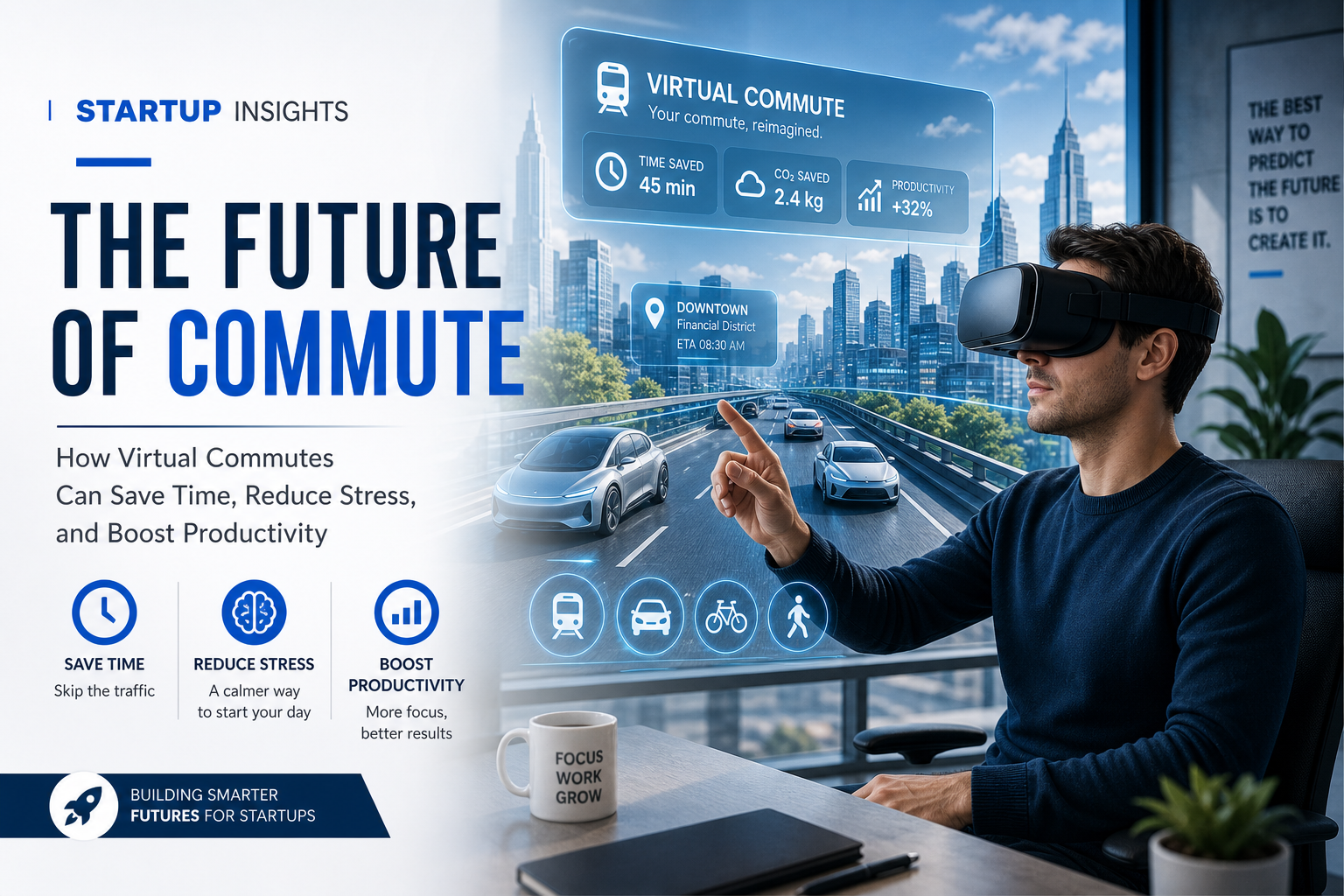
As remote work continues to redefine traditional workplace dynamics, a new niche is emerging within the sector: virtual commute platforms. These innovative solutions aim to replicate the experience of commuting, providing remote workers with a semblance of the structure and routine that physical commutes once offered. This analysis explores the market trends driving the rise of these platforms, the business models being employed, potential risks associated with adoption, and the strategic considerations for founders and investors.
Market Trends Fueling the Growth of Virtual Commute Solutions
The shift towards remote work has been accelerated by a variety of factors, including technological advancements, changing employee expectations, and the global pandemic. As organizations adapt to hybrid work models, the demand for tools that enhance the remote work experience is growing. Virtual commute platforms are positioned to capitalize on this trend by addressing the psychological and social aspects of remote work.
- Increased Focus on Employee Well-Being: Companies are increasingly recognizing the importance of mental health and work-life balance. Virtual commute solutions can help mitigate feelings of isolation and disconnection that many remote workers experience.
- Technological Advancements: Improvements in virtual reality (VR) and augmented reality (AR) technologies are making it possible to create immersive experiences that simulate real-world environments.
- Changing Work Culture: As the traditional 9-to-5 workday becomes less relevant, employees are seeking flexibility and autonomy in their work routines, making virtual commutes an appealing option.
Business Models and Revenue Streams
Virtual commute platforms are exploring various business models to monetize their offerings. Subscription-based models are common, where users pay a monthly fee for access to the platform's features. Additionally, partnerships with organizations seeking to enhance employee engagement and productivity can provide a steady revenue stream.
Some platforms may also consider freemium models, offering basic features for free while charging for premium experiences or additional functionalities. This approach can help attract a larger user base and facilitate upselling opportunities as users become more engaged with the platform.
Adoption Risks and Challenges
Despite the promising outlook for virtual commute platforms, several risks and challenges could hinder widespread adoption:
- User Acceptance: While some employees may embrace the concept of a virtual commute, others may view it as an unnecessary gimmick. Understanding user preferences and conducting thorough market research will be crucial for successful adoption.
- Technology Limitations: The effectiveness of virtual commute platforms relies heavily on the quality of the underlying technology. Issues such as lag, poor graphics, or lack of compatibility with existing tools could deter users.
- Market Saturation: As the popularity of virtual commute solutions grows, the market may become crowded with competitors. Differentiation will be essential for startups to stand out and attract users.
Investor Diligence and Strategic Considerations
For investors, the virtual commute market presents both opportunities and challenges. Diligence is essential to assess the viability of startups operating in this space. Key factors to consider include:
- Market Potential: Evaluating the projected growth of the virtual commute market and its alignment with broader trends in remote work is critical for investment decisions.
- Founder's Vision: Understanding the founder's strategy and vision for the platform can provide insights into its long-term potential. A strong leadership team with relevant experience can significantly enhance the likelihood of success.
- Scalability: Assessing the scalability of the business model is vital. Investors should consider whether the platform can adapt to changing user needs and market conditions.
Conclusion
The emergence of virtual commute platforms reflects a broader shift in how we perceive work and the environments in which we operate. As remote work becomes increasingly entrenched in corporate culture, these platforms offer a unique solution to address the challenges of isolation and disconnection. However, both founders and investors must navigate the complexities of user acceptance, technology limitations, and market competition to realize the full potential of this innovative segment.
Editor's note: This article is original market analysis and not investment advice.
What's Your Reaction?
 Like
0
Like
0
 Dislike
0
Dislike
0
 Love
0
Love
0
 Funny
0
Funny
0
 Angry
0
Angry
0
 Sad
0
Sad
0
 Wow
0
Wow
0