


The Intersection of Employee Well-Being and Startup Valuations: A Market Analysis
The Intersection of Employee Well-Being and Startup Valuations: A Market Analysis By Startup Korea Research Desk | May 27, 2026 The startup ecosystem is constantly evolving, driven by innovation and the pursuit of the next big idea. Recently, a...

The Intersection of Employee Well-Being and Startup Valuations: A Market Analysis
By Startup Korea Research Desk | May 27, 2026
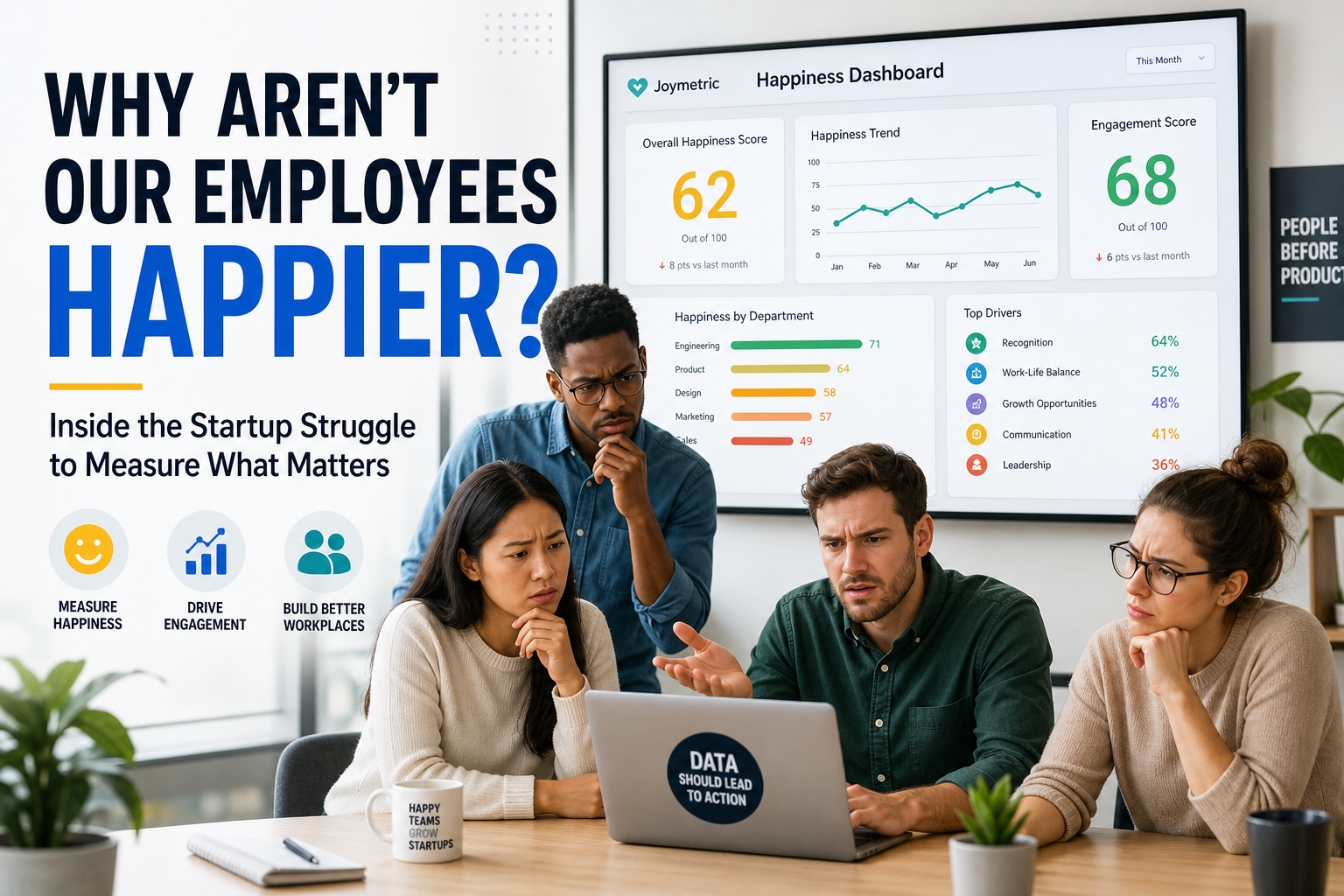
The startup ecosystem is constantly evolving, driven by innovation and the pursuit of the next big idea. Recently, a novel approach that intertwines employee well-being with financial incentives has emerged, capturing the attention of both investors and founders. This analysis explores the implications of integrating employee health metrics into startup valuations, the potential risks involved, and the broader market trends influencing this development.
Market Context: A Surge in Venture Capital Investment
As of the first quarter of 2026, global venture capital investment has seen a notable increase, reaching approximately $90 billion, a 12% rise compared to the previous quarter. This surge is predominantly driven by technology startups that are innovating in various sectors, including health and wellness. The integration of well-being metrics into business models is a reflection of a growing awareness of the importance of employee health in driving productivity and, consequently, company performance.
Emerging Business Models: Linking Sleep Quality to Stock Options
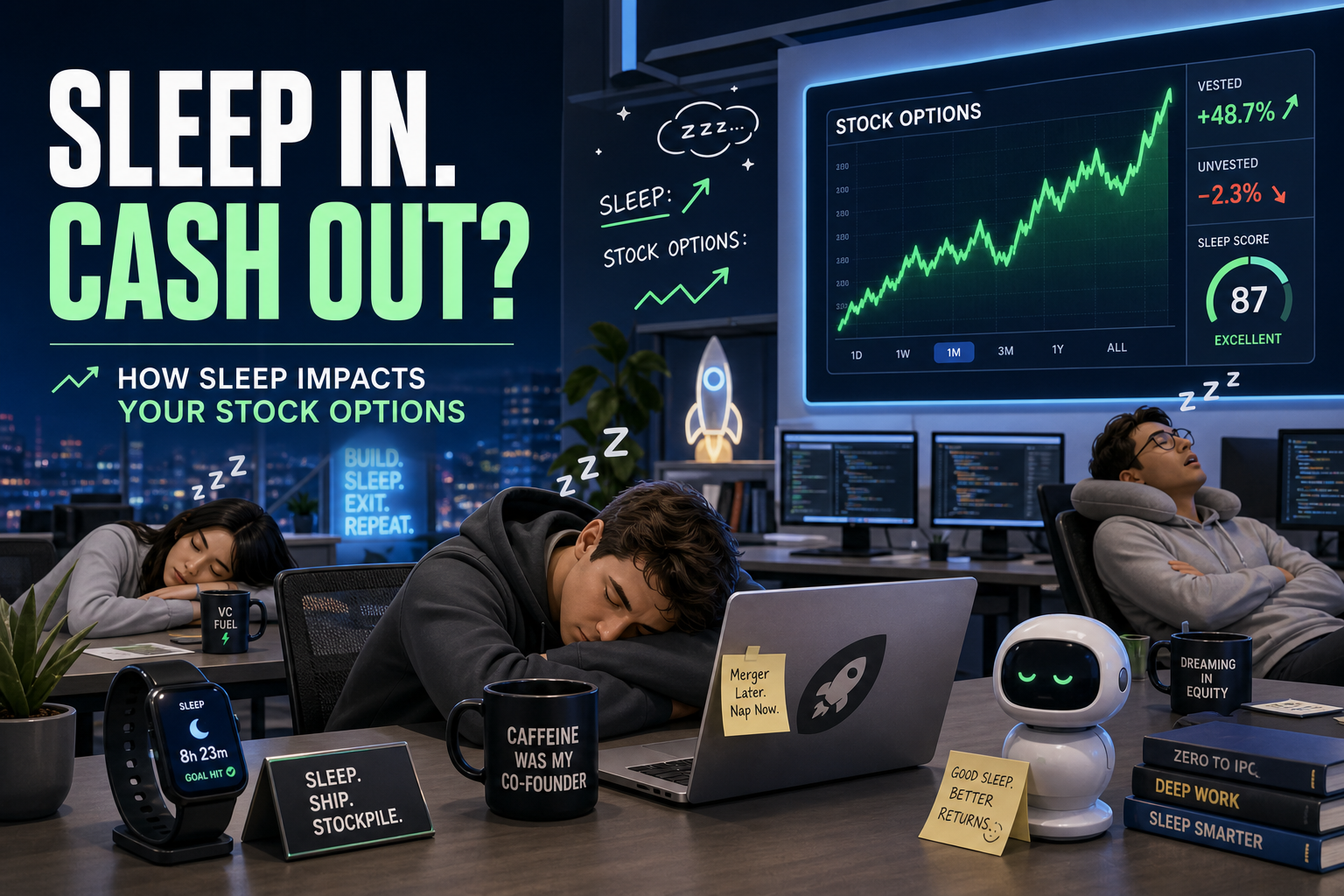
One of the more intriguing developments in this space is the introduction of technology that claims to assess employee performance based on sleep quality. Startups are beginning to explore models where stock options and other financial incentives are tied to metrics such as sleep patterns. The rationale is straightforward: healthier, well-rested employees are likely to be more productive, thus aligning their personal well-being with the company’s success.
- Employee Performance: Companies are increasingly recognizing that employee performance is closely linked to overall well-being. By incentivizing good sleep habits, businesses hope to foster a more productive workforce.
- Investment Attraction: Startups that successfully integrate these health metrics may find themselves more attractive to investors, who are looking for innovative solutions that address both employee satisfaction and company performance.
- Market Differentiation: As competition intensifies in the startup landscape, unique business models that prioritize employee health can serve as a differentiator, potentially leading to higher valuations.
Investor Diligence: Evaluating the Risks
While the concept of linking stock options to sleep quality may seem innovative, it is not without its risks. Investors must exercise diligence when evaluating such business models. Key considerations include:
- Data Privacy: The collection and analysis of personal health data raise significant privacy concerns. Startups must ensure compliance with regulations and maintain transparency with employees regarding data usage.
- Market Acceptance: There is a risk that employees may not embrace the idea of their financial incentives being tied to personal health metrics. Companies must carefully consider how to implement such systems without creating undue pressure or anxiety among employees.
- Long-Term Viability: The sustainability of these business models hinges on their ability to demonstrate tangible benefits. Startups will need to provide evidence that linking well-being to performance leads to improved outcomes for both employees and the organization.
Founder Strategy: Navigating the New Landscape
For founders looking to capitalize on this trend, a strategic approach is essential. Key strategies may include:
- Building a Strong Value Proposition: Founders must clearly articulate the benefits of their model to both employees and investors, emphasizing how well-being metrics can enhance productivity and drive company success.
- Engaging Stakeholders: Involving employees in the development and implementation of these systems can foster buy-in and reduce resistance. Transparent communication about the purpose and benefits of the model is crucial.
- Continuous Improvement: Startups should remain agile, continuously gathering feedback and refining their approach based on employee experiences and outcomes.
Conclusion: A New Frontier in Startup Valuations
The integration of employee well-being metrics into startup valuations represents a significant shift in how companies may approach compensation and performance evaluation. While this trend offers exciting opportunities for innovation and differentiation, it also presents unique challenges that require careful consideration. As the market evolves, startups that successfully navigate these complexities may find themselves well-positioned for growth and success.
Editor's note: This article is original market analysis and not investment advice.
What's Your Reaction?
 Like
0
Like
0
 Dislike
0
Dislike
0
 Love
0
Love
0
 Funny
0
Funny
0
 Angry
0
Angry
0
 Sad
0
Sad
0
 Wow
0
Wow
0