
The Emergence of AI in Fashion: Analyzing Market Trends and Investment Potential
The Emergence of AI in Fashion: Analyzing Market Trends and Investment Potential By Startup Korea Research Desk | May 24, 2026 The integration of artificial intelligence (AI) into various sectors has gained significant traction, and the fashion...

The Emergence of AI in Fashion: Analyzing Market Trends and Investment Potential
By Startup Korea Research Desk | May 24, 2026
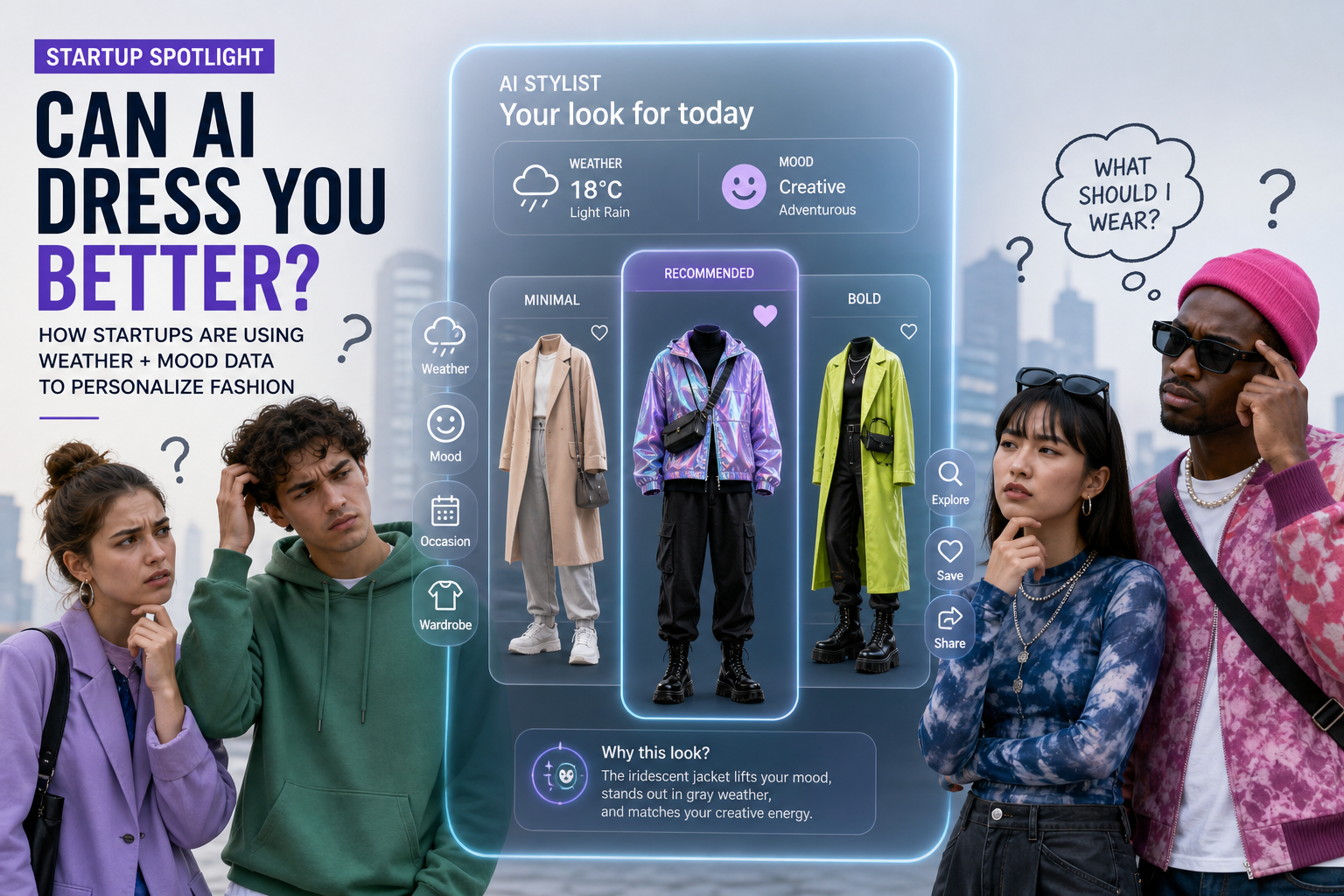
The integration of artificial intelligence (AI) into various sectors has gained significant traction, and the fashion industry is no exception. A new wave of startups is leveraging AI to enhance consumer experiences, particularly through mood-driven fashion recommendations. This analysis explores the current market landscape, potential business models, adoption risks, and the implications for investors and founders in this burgeoning sector.
Market Overview
The global fashion industry is undergoing a transformation, with the AI-based fashion recommendation market projected to reach $5 billion by 2030. This growth is driven by the increasing demand for personalized shopping experiences, where consumers seek to express their individuality through curated fashion choices. The intersection of technology and consumer behavior presents a unique opportunity for startups that can effectively harness AI to meet evolving market needs.
Business Model Viability
Startups in the mood-driven fashion space are developing platforms that analyze various factors, including weather conditions and users' emotional states, to provide tailored outfit suggestions. This innovative approach not only enhances user engagement but also positions these companies as leaders in the personalization trend that is reshaping retail. However, the success of such business models hinges on several critical factors:
- User Adoption: The willingness of consumers to rely on AI for personal fashion choices remains uncertain. While some may embrace the novelty, others may prefer traditional methods of selecting outfits.
- Data Privacy: As these platforms collect sensitive user data, ensuring robust privacy measures will be essential to build trust and encourage widespread adoption.
- Market Competition: The entry of numerous players into the AI fashion space could lead to market saturation, making differentiation a key challenge for new startups.
Investment Landscape
Investors are increasingly drawn to the potential of AI in fashion, as evidenced by significant funding rounds that have propelled startups to impressive valuations. For instance, a recent pre-IPO funding round raised substantial capital, reflecting investor confidence in the growth trajectory of this niche. However, due diligence is crucial, as the market is still in its infancy and subject to rapid changes.
Adoption Risks
Despite the promising outlook, several risks could impede the adoption of AI-driven fashion solutions:
- Consumer Skepticism: Potential users may question the accuracy and relevance of AI recommendations, particularly when it comes to personal style choices.
- Technological Limitations: The effectiveness of AI algorithms in understanding complex human emotions and preferences is still evolving, which may affect user satisfaction.
- Market Dynamics: Shifts in consumer trends and preferences can quickly alter the landscape, requiring startups to remain agile and responsive to changes.
Strategic Considerations for Founders
For founders entering the AI fashion market, several strategic considerations can enhance the likelihood of success:
- Focus on User Experience: Prioritizing a seamless and engaging user experience can foster loyalty and encourage repeat usage.
- Leverage Data Analytics: Utilizing data analytics to refine algorithms and improve recommendation accuracy can differentiate a startup from competitors.
- Build Partnerships: Collaborating with established fashion brands or retailers can provide valuable insights and enhance credibility in the market.
Conclusion
The emergence of AI in the fashion industry presents both opportunities and challenges. As startups explore mood-driven fashion recommendations, understanding market dynamics, consumer behavior, and technological capabilities will be critical. Investors should approach this sector with a balanced perspective, recognizing the potential for growth while remaining vigilant about the inherent risks.
Editor's note: This analysis is original market research and does not constitute investment advice.
What's Your Reaction?
 Like
0
Like
0
 Dislike
0
Dislike
0
 Love
0
Love
0
 Funny
0
Funny
0
 Angry
0
Angry
0
 Sad
0
Sad
0
 Wow
0
Wow
0