



Robo-Chefs and AI Pathologists: The Unlikely Fusion Shaping Tomorrow's Dinner and Diagnostics
By StartupKorea Business Desk | May 12, 2026 Robo-Chefs and AI Pathologists: The Unlikely Fusion Shaping Tomorrow's Dinner and DiagnosticsMay 12, 2026 – In a bold convergence of culinary automation and healthcare diagnostics, RoboGourmet In...

By StartupKorea Business Desk | May 12, 2026
Robo-Chefs and AI Pathologists: The Unlikely Fusion Shaping Tomorrow's Dinner and Diagnostics
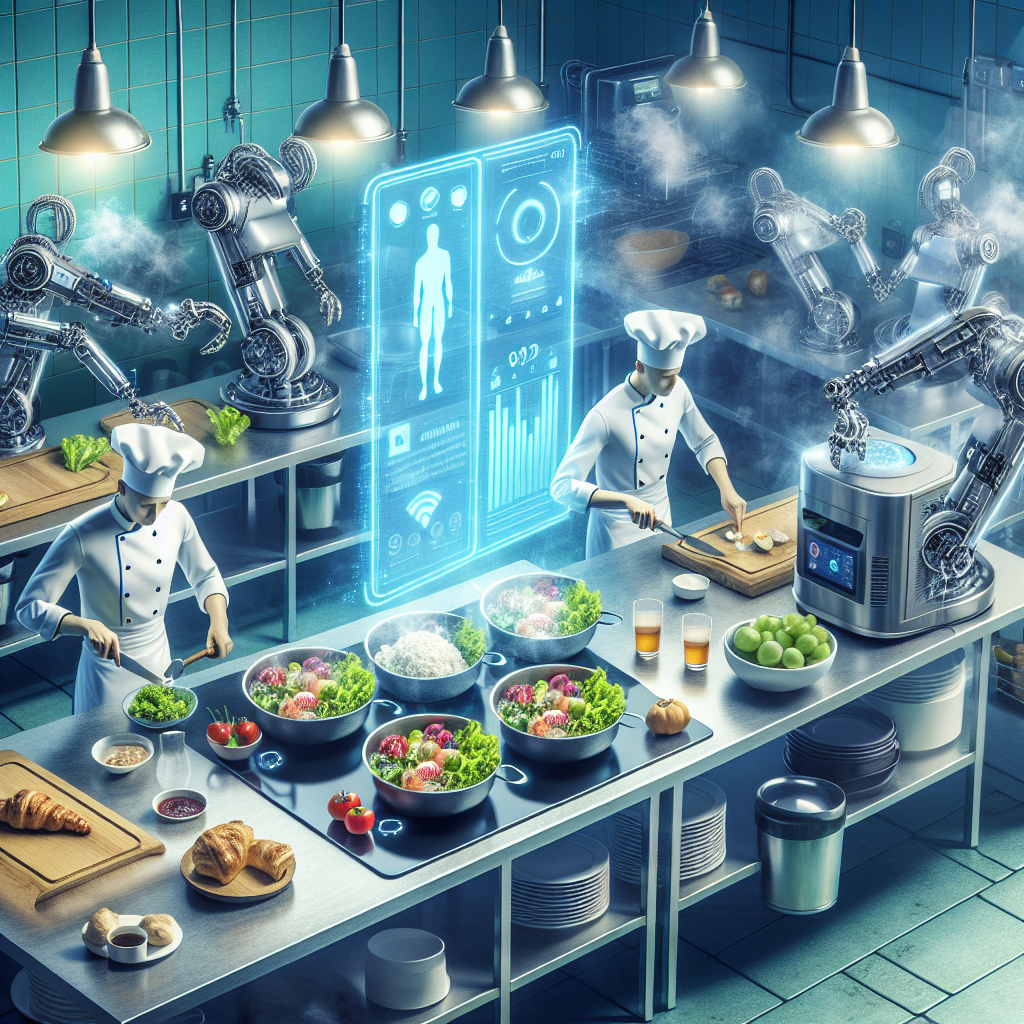
May 12, 2026 – In a bold convergence of culinary automation and healthcare diagnostics, RoboGourmet Inc. has secured $150 million in funding from a consortium of international sovereign wealth funds, including the Qatar Investment Authority and Norway’s Government Pension Fund. The investment aims to underpin the company’s unique business model that integrates robotic cooking technology with AI-driven pathology analysis, promising to deliver not just meals, but also real-time health assessments.
"We envision a world where your dinner is prepared by a robot while simultaneously providing you with a digital health check-up, all from the comfort of your dining room," said CEO Hannah Sterling. This audacious goal has ignited both fascination and skepticism in an already volatile startup ecosystem.
The Rise of Robo-Chef Technology
The global robotic cooking market is projected to reach $7.6 billion by 2030, growing at a compound annual growth rate (CAGR) of over 28% as consumers increasingly demand convenience and novelty in their dining experiences. RoboGourmet, which employs an army of robotic chefs equipped with advanced culinary algorithms, aims to dominate this market by delivering gourmet meals tailored to individual health metrics.
AI Pathology Meets Culinary Innovation
In a rather bizarre twist, the integration of digital pathology AI allows RoboGourmet's robots to assess the nutritional needs of customers based on a quick saliva test taken before dinner. "We’re not just delivering food; we're delivering personalized health insights," added Sterling, demonstrating an uncanny ability to blend culinary delights with diagnostics.
A Recipe for Investment Success?
Investors are intrigued, albeit cautiously. James Abernathy, an investment analyst at GlobalTech Advisors, remarked, "It's a fascinating intersection of two previously unrelated fields. However, the question remains whether consumers are ready for a robot to not only prepare their meals but also analyze their health from a molecular level while they eat."
The Numbers Behind the Hype
- Robotic Cooking Market: $7.6 billion by 2030
- Estimated CAGR: 28%
- Investment from Sovereign Funds: $150 million
- Projected Digital Pathology Market: $10 billion by 2027
Risks and Constraints: The Other Side of the Plate
As enticing as it sounds, this hybrid offering raises several concerns. Critics argue that the potential for privacy violations and health misdiagnoses looms large. "Handing over your health data to a kitchen appliance may not be the wisest move," cautioned Dr. Sarah Lind, a prominent ethical tech advisor.
Moreover, the logistics of maintaining a seamless operation between robotic chefs and AI pathology systems could pose operational challenges. Rico Barnes, a skeptic and food industry analyst, stated, "We’ve seen tech companies overestimate consumer readiness before. Will people really trust a machine to tell them what they need to eat based on a saliva sample?"
Consumer Sentiment: A Taste Test
Despite the skepticism, early adopters are eager to test this culinary innovation. In a recent survey, 62% of respondents said they would consider using a robotic chef that also monitors their health metrics—a revealing statistic that suggests a growing appetite for such technologies. "I mean, why not? If my food can tell me I’m borderline diabetic, maybe I’ll finally ditch the cookies!" laughed one enthusiastic participant.
Final Thoughts: A Dish Best Served with a Side of Caution
As RoboGourmet and its investors prepare to serve this unique blend of gastronomic and diagnostic genius, they must tread cautiously. Balancing innovation with consumer readiness will be crucial. After all, while the future may be deliciously convenient, it should never come at the expense of our health or our data security.
What's Your Reaction?
 Like
0
Like
0
 Dislike
0
Dislike
0
 Love
0
Love
0
 Funny
0
Funny
0
 Angry
0
Angry
0
 Sad
0
Sad
0
 Wow
0
Wow
0