





Navigating the Rise of Corporate Wellness Platforms: A Market Analysis
Navigating the Rise of Corporate Wellness Platforms: A Market Analysis By Startup Korea Research Desk | May 27, 2026 In recent years, the corporate landscape has experienced a significant shift towards prioritizing employee well-being, leading t...

Navigating the Rise of Corporate Wellness Platforms: A Market Analysis
By Startup Korea Research Desk | May 27, 2026
In recent years, the corporate landscape has experienced a significant shift towards prioritizing employee well-being, leading to the emergence of various platforms aimed at enhancing workplace culture. Among these trends, the rise of corporate wellness platforms that challenge traditional performance metrics, such as Objectives and Key Results (OKRs), is noteworthy. This analysis delves into the implications of this trend, examining market dynamics, business models, adoption risks, and the strategies employed by founders in this evolving sector.
The Shift in Corporate Culture
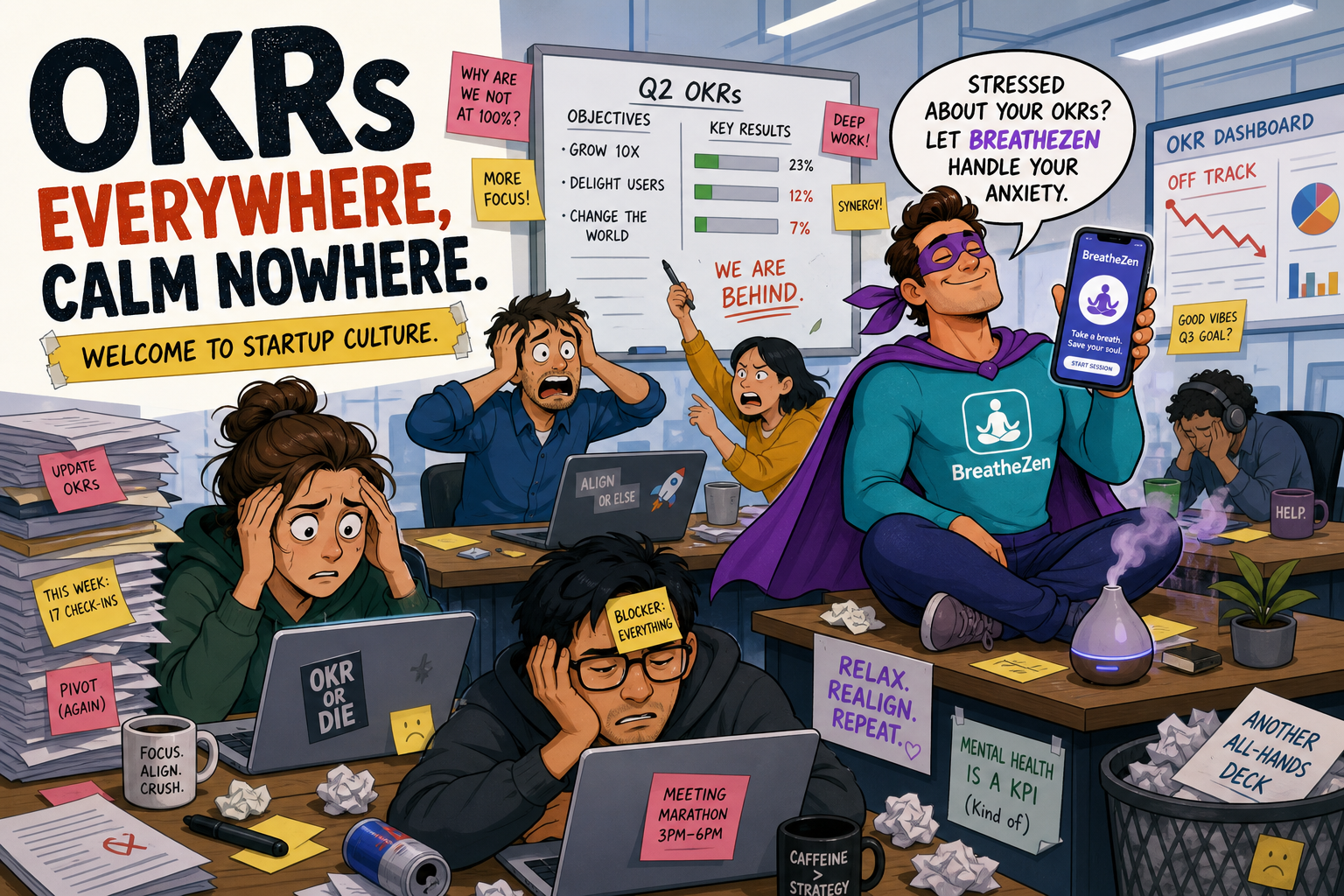
As organizations increasingly recognize the importance of mental health and work-life balance, the traditional focus on productivity metrics is being scrutinized. Recent studies indicate that a significant portion of employees—approximately 65%—report feeling overwhelmed by their OKRs, which has contributed to a notable increase in burnout rates. This growing concern has prompted companies to seek innovative solutions that not only enhance productivity but also promote employee well-being.
Emergence of Anti-OKR Platforms
In response to the pressures associated with OKRs, a new category of startups has emerged, positioning themselves as advocates for a healthier approach to goal setting. These platforms aim to mitigate the stress associated with performance metrics by encouraging employees to prioritize their mental health over relentless goal pursuit. This shift represents a broader trend in the startup ecosystem, where businesses are increasingly focusing on holistic employee engagement rather than solely on performance outcomes.
Market Potential
The corporate wellness market is projected to reach a substantial size, with estimates suggesting it could be valued at around $30 billion by 2028. This growth is driven by a combination of factors, including heightened awareness of mental health issues, the need for companies to retain talent, and the desire to foster a more positive workplace culture. As organizations invest in wellness initiatives, startups that offer innovative solutions in this space are well-positioned to capture a share of this expanding market.
Business Models in Focus
Startups in the corporate wellness sector are exploring various business models to attract clients and generate revenue. Common approaches include:
- Subscription-Based Services: Many platforms offer subscription models that provide companies with access to wellness resources, tools, and support for their employees.
- Consultative Solutions: Some startups position themselves as consultants, providing tailored strategies to help organizations implement wellness programs effectively.
- Data-Driven Insights: Leveraging data analytics, companies can offer insights into employee engagement and productivity, helping organizations make informed decisions about their wellness initiatives.
Adoption Risks and Challenges
While the potential for corporate wellness platforms is significant, there are inherent risks and challenges associated with adoption. Organizations may face resistance from employees who are accustomed to traditional performance metrics, leading to skepticism about the effectiveness of wellness initiatives. Additionally, measuring the return on investment (ROI) for wellness programs can be complex, as the benefits may not be immediately quantifiable.
Furthermore, startups must navigate the competitive landscape, where numerous players are vying for attention. Differentiating their offerings and establishing credibility will be crucial for success in this crowded market.
Investor Diligence
For investors, the corporate wellness sector presents both opportunities and challenges. As the market grows, it is essential for investors to conduct thorough due diligence when evaluating potential investments. Key considerations include:
- Market Demand: Assessing the demand for wellness solutions within target industries and understanding the specific needs of potential clients.
- Scalability: Evaluating the startup's ability to scale its offerings and adapt to changing market conditions.
- Leadership Team: Analyzing the experience and expertise of the founding team, as strong leadership is critical for navigating the complexities of the wellness market.
Strategies for Founders
For founders in the corporate wellness space, developing a clear value proposition and effectively communicating it to potential clients is paramount. Strategies may include:
- Building Partnerships: Collaborating with established organizations and industry experts can enhance credibility and expand market reach.
- Focusing on User Experience: Ensuring that platforms are user-friendly and provide tangible benefits to employees will be key to driving adoption.
- Continuous Innovation: Staying ahead of market trends and continuously evolving offerings will help maintain a competitive edge.
Conclusion
The rise of corporate wellness platforms represents a significant shift in the way organizations approach employee engagement and productivity. As startups continue to innovate in this space, the potential for growth is substantial. However, both investors and founders must remain vigilant in navigating the challenges and complexities associated with this evolving market.
Editor's note: This article is original market analysis and not investment advice.
What's Your Reaction?
 Like
0
Like
0
 Dislike
0
Dislike
0
 Love
0
Love
0
 Funny
0
Funny
0
 Angry
0
Angry
0
 Sad
0
Sad
0
 Wow
0
Wow
0