

Navigating the Future of Employment: Trends and Risks in Algorithmic Career Guidance
Navigating the Future of Employment: Trends and Risks in Algorithmic Career Guidance By Startup Korea Research Desk | May 26, 2026 The landscape of employment is evolving rapidly, driven by technological advancements and shifting workforce dynam...

Navigating the Future of Employment: Trends and Risks in Algorithmic Career Guidance
By Startup Korea Research Desk | May 26, 2026
The landscape of employment is evolving rapidly, driven by technological advancements and shifting workforce dynamics. As we move deeper into the 21st century, startups are emerging with innovative solutions aimed at redefining how individuals approach their careers. One such concept gaining traction is algorithmic career guidance, which leverages data analytics to suggest optimal career paths based on a variety of personal metrics.
The Rise of Algorithmic Career Guidance
In recent years, the job market has faced unprecedented challenges, including the potential for automation to displace a significant portion of the workforce. A report from McKinsey estimates that nearly 50% of jobs could be at risk of automation by 2030. This looming threat has sparked interest in technologies that can assist individuals in navigating their career choices more effectively.
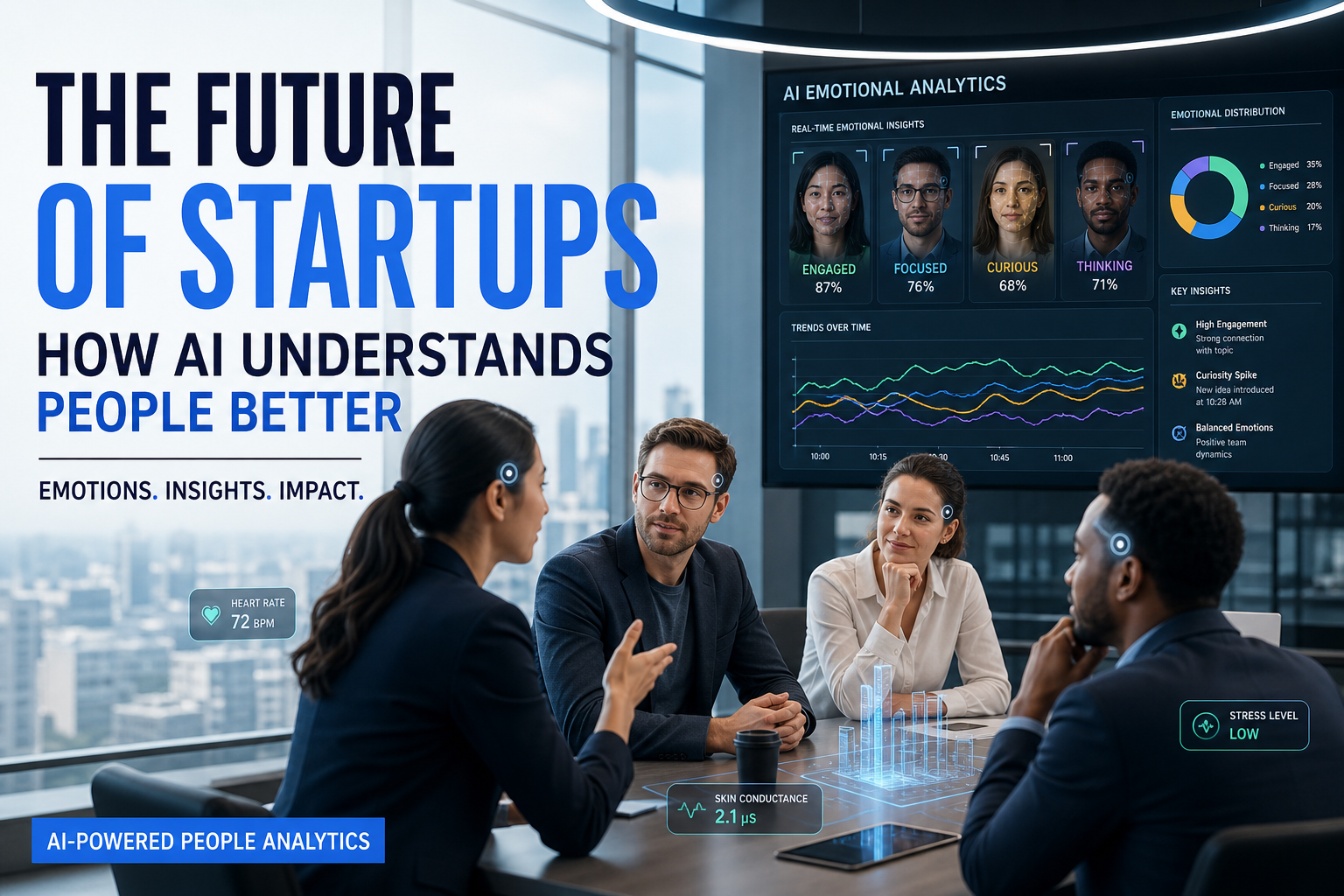
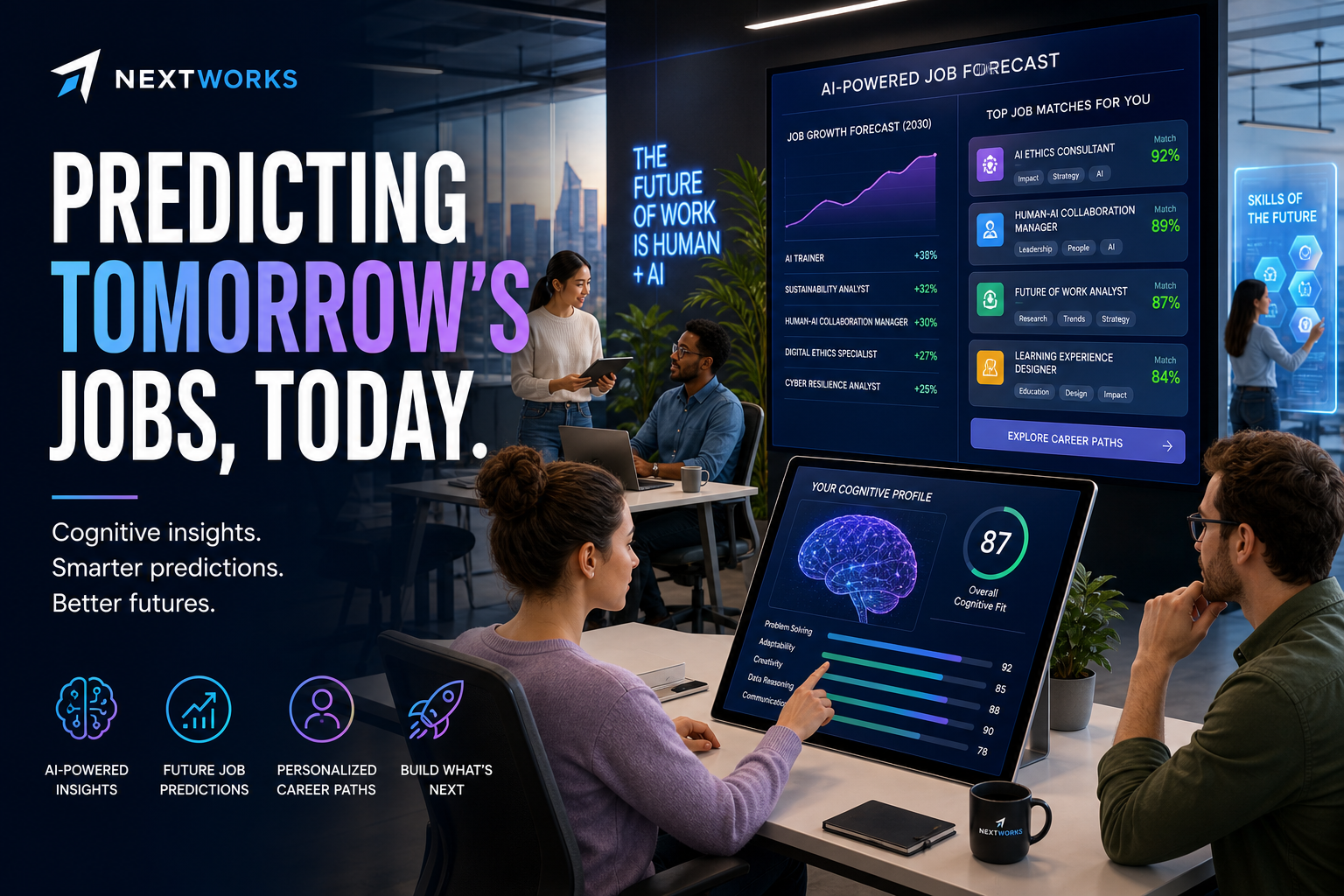
Algorithmic career guidance platforms aim to provide personalized recommendations by analyzing users' cognitive states, preferences, and historical data. These systems promise to act as career coaches, offering insights that traditional methods may overlook. However, the reliance on algorithms raises important questions about their efficacy and the implications for human agency in career decision-making.
Market Context and Trends
The demand for innovative career solutions has surged as individuals seek to adapt to a rapidly changing job market. Startups in this space are positioning themselves as pioneers, claiming to harness the power of data to guide users toward fulfilling careers. The allure of such technology is evident in the substantial funding rounds that these companies are attracting, as investors recognize the potential for significant returns in a market poised for transformation.
- Investment Activity: Recent funding rounds have seen substantial investments, indicating strong investor confidence in the potential of algorithmic career guidance.
- Market Potential: The global workforce is increasingly open to leveraging technology for career development, creating a fertile ground for startups in this sector.
- Consumer Adoption: As job seekers become more tech-savvy, the acceptance of algorithm-driven solutions is likely to increase, further driving market growth.
Investor Diligence and Market Risks
While the prospects for algorithmic career guidance appear promising, investors must exercise caution. The technology's success hinges on several factors, including the accuracy of the algorithms, user trust, and the ability to adapt to diverse career paths and industries. Analysts have expressed mixed opinions regarding the long-term viability of such solutions.
Critics argue that an over-reliance on algorithms could undermine the human elements of career development, such as creativity, intuition, and interpersonal skills. There is a risk that these systems may inadvertently promote a one-size-fits-all approach, failing to account for the unique aspirations and circumstances of individuals.
Furthermore, the ethical implications of using personal data to dictate career paths cannot be overlooked. Concerns regarding privacy, data security, and algorithmic bias must be addressed to build user confidence and ensure equitable outcomes.
Founder Strategy and Market Positioning
For founders in the algorithmic career guidance space, a clear strategy is essential to navigate the complexities of the market. This includes:
- Building Trust: Establishing transparent data practices and ensuring user privacy will be critical in gaining user acceptance.
- Differentiation: Startups must differentiate their offerings by focusing on unique value propositions, such as personalized coaching or niche market targeting.
- Continuous Improvement: Regularly updating algorithms based on user feedback and changing job market conditions will be vital for maintaining relevance and effectiveness.
As the market continues to evolve, founders should remain agile and responsive to emerging trends and user needs. Collaborations with educational institutions and industry partners may also enhance credibility and expand reach.
Conclusion
The future of employment is undoubtedly intertwined with technological advancements, and algorithmic career guidance represents a significant shift in how individuals approach their professional journeys. While the potential benefits are substantial, it is crucial for stakeholders to remain vigilant about the associated risks and ethical considerations. As this market develops, a balanced approach that values both technology and human insight will be essential for sustainable growth.
Editor's note: This article provides original market analysis and should not be construed as investment advice.
What's Your Reaction?
 Like
0
Like
0
 Dislike
0
Dislike
0
 Love
0
Love
0
 Funny
0
Funny
0
 Angry
0
Angry
0
 Sad
0
Sad
0
 Wow
0
Wow
0