

Navigating the Future of Developer-Robot Communication: Market Insights and Trends
Navigating the Future of Developer-Robot Communication: Market Insights and Trends By Startup Korea Research Desk | May 26, 2026 As the technology landscape continues to evolve, the relationship between human developers and artificial intelligen...

Navigating the Future of Developer-Robot Communication: Market Insights and Trends
By Startup Korea Research Desk | May 26, 2026
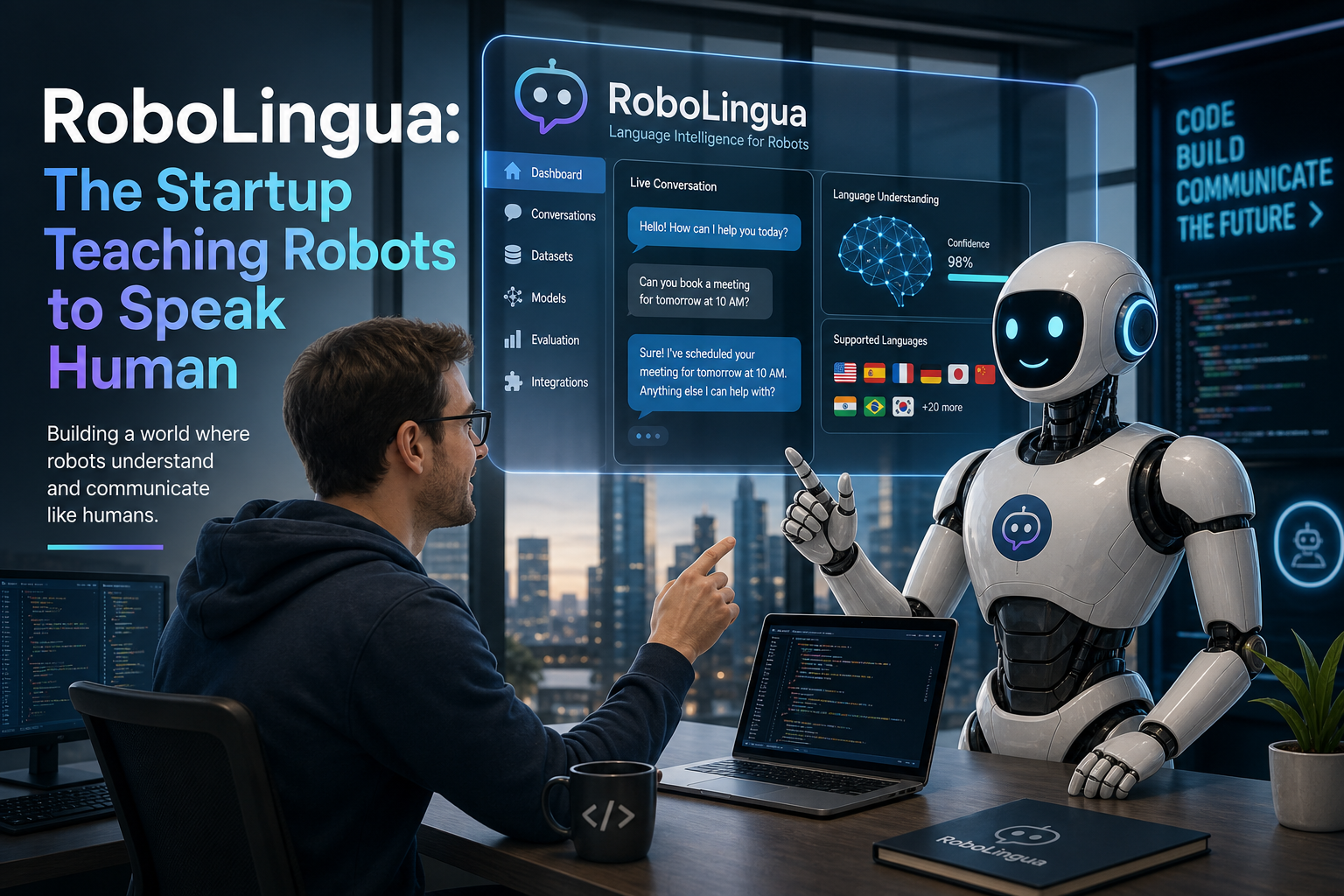
As the technology landscape continues to evolve, the relationship between human developers and artificial intelligence (AI) systems is becoming increasingly complex. A recent surge in interest has emerged around the development of platforms designed to facilitate communication between these two entities, particularly in the context of Software as a Service (SaaS) solutions. This analysis explores the current trends, potential risks, and strategic considerations for startups entering this burgeoning market.
The Need for Enhanced Communication
In an era where AI integration is becoming a staple in software development, the communication gap between developers and AI systems has gained significant attention. Industry reports indicate that a substantial percentage of developers experience frustration due to the limitations in how they can interact with AI. This has led to an increased demand for innovative solutions that can bridge this divide, allowing for more intuitive and empathetic interactions.
Market Dynamics and Growth Potential
The market for AI-driven communication tools is poised for rapid growth. Analysts predict that the sector could see a significant expansion, with estimates suggesting a potential market size of several billion dollars within the next decade. This growth is fueled by the increasing reliance on AI technologies across various industries, including software development, customer service, and beyond.
- Investment Trends: Venture capital interest in this space has surged, with many investors recognizing the potential for high returns. The SaaS model, in particular, has attracted attention due to its scalability and recurring revenue potential.
- Competitive Landscape: As more startups enter the market, competition is intensifying. Companies are differentiating themselves through unique value propositions, such as enhanced user experience and advanced AI capabilities.
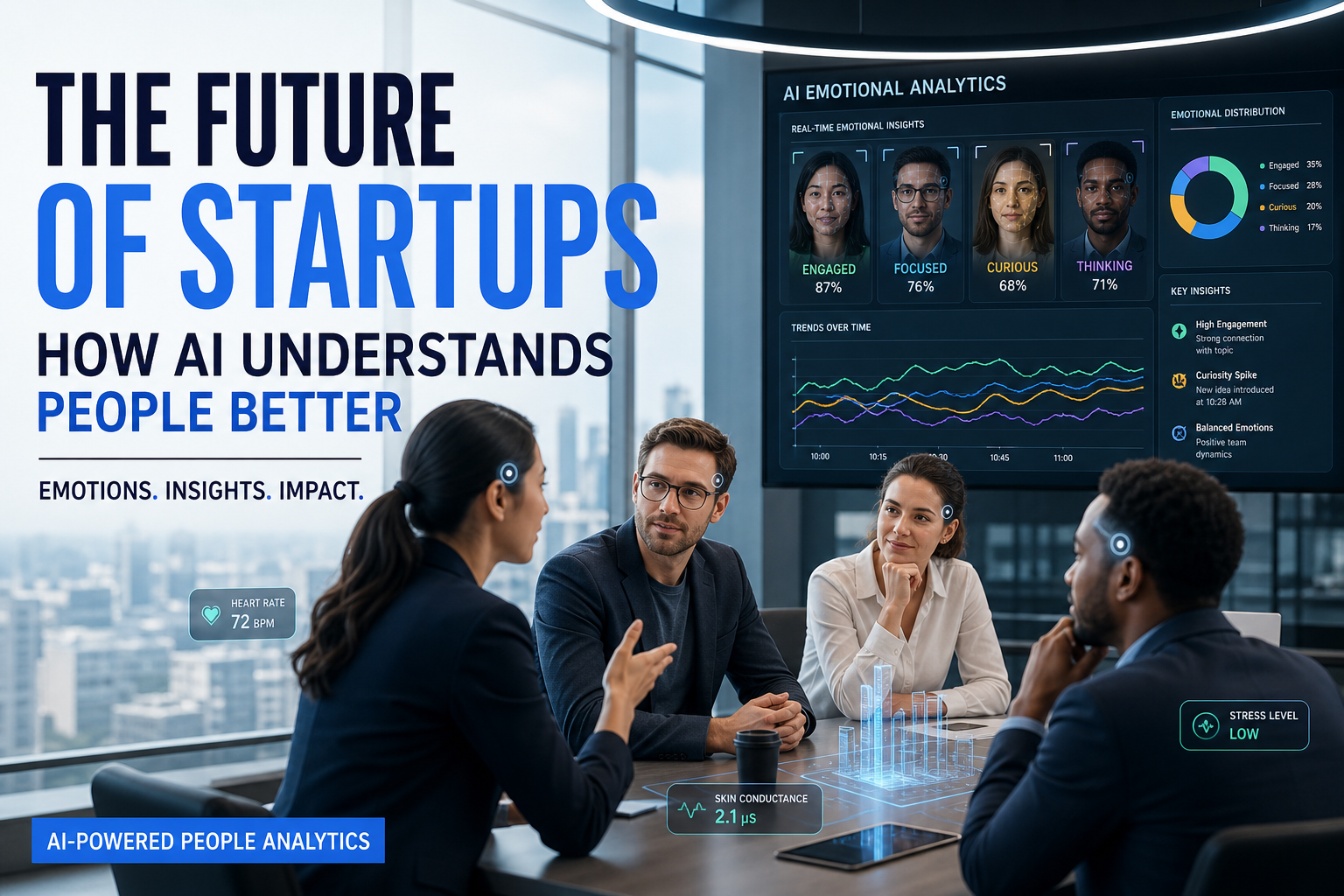
- Consumer Adoption: Adoption rates among developers will be critical. Startups must ensure that their solutions not only meet technical needs but also resonate with users on an emotional level.
Business Models and Revenue Streams
Startups in this domain are exploring various business models to capitalize on the growing demand for empathetic AI interfaces. Subscription-based models are particularly appealing, as they provide predictable revenue streams and foster long-term customer relationships. Additionally, companies may explore tiered pricing structures that offer different levels of service, catering to a diverse range of developer needs.
Challenges and Risks
Despite the promising outlook, several challenges and risks must be navigated. One significant concern is the notion of emotional intelligence in AI. While the idea of creating empathetic robots is appealing, there is ongoing debate about the feasibility and ethical implications of such technology. Critics argue that the emotional understanding of AI is still in its infancy, and misinterpretations could lead to unintended consequences.
- Technical Limitations: The current state of AI technology may not support the level of empathy that some startups promise. Developers must be cautious about over-promising capabilities that are not yet achievable.
- User Acceptance: Developers may be resistant to adopting new tools that they perceive as unnecessary or overly complex. Startups must prioritize user-friendly designs and clear value propositions.
- Regulatory Considerations: As AI technologies evolve, regulatory frameworks will likely follow suit. Startups must remain vigilant about compliance and ethical standards to avoid potential pitfalls.
Strategic Considerations for Founders
For founders looking to enter the developer-robot communication space, several strategic considerations are paramount:
- Focus on User Experience: Prioritize intuitive design and seamless integration with existing development workflows to enhance user adoption.
- Invest in R&D: Continuous investment in research and development is essential to stay ahead of technological advancements and maintain a competitive edge.
- Build Strategic Partnerships: Collaborating with established players in the AI and software development industries can provide valuable insights and access to a broader customer base.
Conclusion
The intersection of developer communication and AI technology presents a unique opportunity for startups. As the demand for empathetic robot interfaces grows, companies must navigate the complexities of this evolving landscape while remaining mindful of the challenges ahead. By focusing on user experience, fostering innovation, and building strategic partnerships, founders can position themselves for success in this dynamic market.
Editor's note: This article is original market analysis and not investment advice.
What's Your Reaction?
 Like
0
Like
0
 Dislike
0
Dislike
0
 Love
0
Love
0
 Funny
0
Funny
0
 Angry
0
Angry
0
 Sad
0
Sad
0
 Wow
0
Wow
0