



Navigating Water Scarcity: The Emergence of Automated Water Management Solutions
Navigating Water Scarcity: The Emergence of Automated Water Management Solutions By Startup Korea Research Desk | May 26, 2026 As the world grapples with escalating water scarcity, innovative solutions are emerging to address this pressing issue...

Navigating Water Scarcity: The Emergence of Automated Water Management Solutions
By Startup Korea Research Desk | May 26, 2026
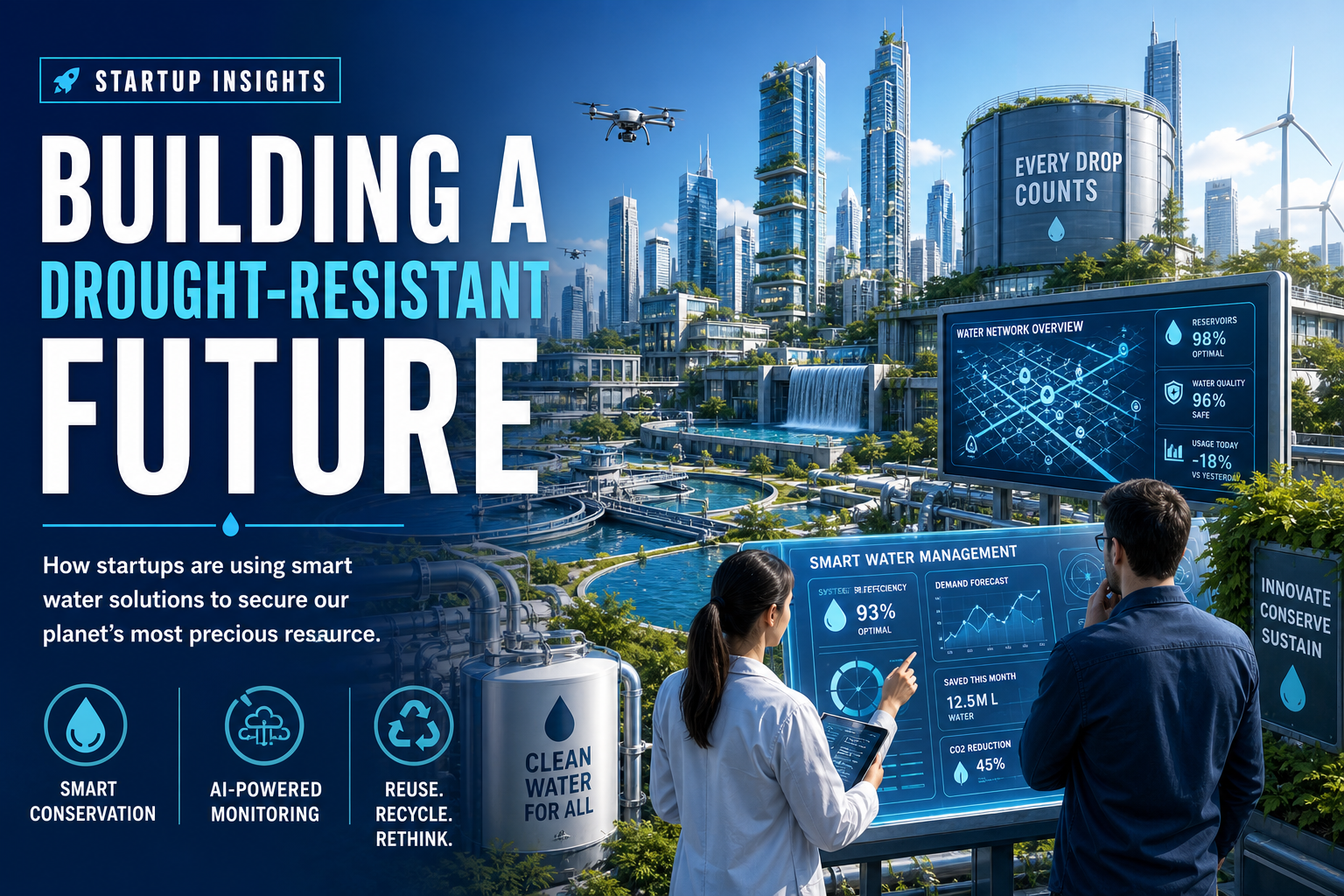
As the world grapples with escalating water scarcity, innovative solutions are emerging to address this pressing issue. The intersection of technology and sustainability is giving rise to automated water management systems that promise to optimize water usage across various sectors. This article explores the current market landscape, the potential of these solutions, and the challenges they face in adoption.
The Growing Need for Water Management Solutions
Water scarcity is becoming an increasingly critical global concern. According to the United Nations, over 2 billion people currently live in areas experiencing high water stress, and this figure is expected to rise significantly in the coming years. By 2025, it is estimated that two-thirds of the global population will be living under water-stressed conditions. This urgent situation has created a fertile ground for startups focused on developing technologies that can enhance water efficiency.
Market Trends and Growth Potential
The global water technology market is projected to grow at a compound annual growth rate (CAGR) of approximately 8.5% through 2030. This growth is driven by a combination of factors, including increasing regulatory pressures, the need for sustainable practices, and the demand for innovative solutions that can mitigate the impacts of climate change. Automated water management systems, which utilize smart sensors and artificial intelligence (AI), are at the forefront of this transformation.
Business Models in Automated Water Management
Startups in this space are exploring various business models to capitalize on the growing demand for automated solutions. Common approaches include:
- Subscription Services: Many companies are offering their technologies as a service, allowing consumers and businesses to pay a monthly fee for access to water management tools.
- Data Analytics: By collecting and analyzing data on water usage, companies can provide insights that help users optimize their consumption patterns.
- Partnerships with Utilities: Collaborating with water utility companies can provide startups with a broader reach and access to a larger customer base.
Adoption Risks and Challenges
While the potential for automated water management solutions is significant, several challenges could hinder widespread adoption. Key risks include:
- Equity and Accessibility: There is a concern that automated solutions may create disparities in access to water management technologies. Wealthier households and businesses may benefit disproportionately, leaving vulnerable populations without adequate resources.
- Consumer Resistance: Some consumers may be hesitant to adopt new technologies due to a lack of understanding or fear of complexity. Education and outreach will be crucial in overcoming these barriers.
- Environmental Considerations: Critics argue that increased automation could lead to higher overall water consumption, as users may feel less accountable for their usage when relying on technology.
Investor Interest and Market Dynamics
Despite the challenges, investor interest in automated water management solutions is robust. Venture capitalists are increasingly looking to fund startups that offer innovative approaches to water efficiency. The potential for high returns, combined with the pressing nature of the water crisis, makes this sector an attractive opportunity for investors.
Investors are particularly focused on companies that demonstrate a clear value proposition, scalability, and the ability to navigate regulatory landscapes. Startups that can effectively communicate their impact on sustainability and resource management are likely to attract more funding.
Strategic Considerations for Founders
For founders in the automated water management space, developing a clear strategy is essential. Key considerations include:
- Understanding the Market: Comprehensive market research is vital to identify target customers and understand their needs.
- Building Partnerships: Collaborating with existing water utilities and environmental organizations can enhance credibility and expand market reach.
- Focusing on Education: Providing educational resources to potential customers can help alleviate concerns and drive adoption.
Conclusion
The emergence of automated water management solutions represents a significant opportunity to address the growing challenge of water scarcity. While there are risks associated with adoption and equity, the potential benefits for sustainability and efficiency are compelling. As the market evolves, both investors and founders must navigate these dynamics carefully to maximize impact and success.
Editor's note: This article is original market analysis and not investment advice.
What's Your Reaction?
 Like
0
Like
0
 Dislike
0
Dislike
0
 Love
0
Love
0
 Funny
0
Funny
0
 Angry
0
Angry
0
 Sad
0
Sad
0
 Wow
0
Wow
0