



Is the Future of Farming in the Air? The $30 Million Bet on Drone Technology and UWB Mesh Networks
By StartupKorea Business Desk | Apr 14, 2026 Investors Bet Big on the Sky: $30 Million for UWB-Enabled DronesIn an unprecedented leap into the skies of modern agriculture, startup Agriview has secured a hefty strategic investment of $30 mil...

By StartupKorea Business Desk | Apr 14, 2026
Investors Bet Big on the Sky: $30 Million for UWB-Enabled Drones
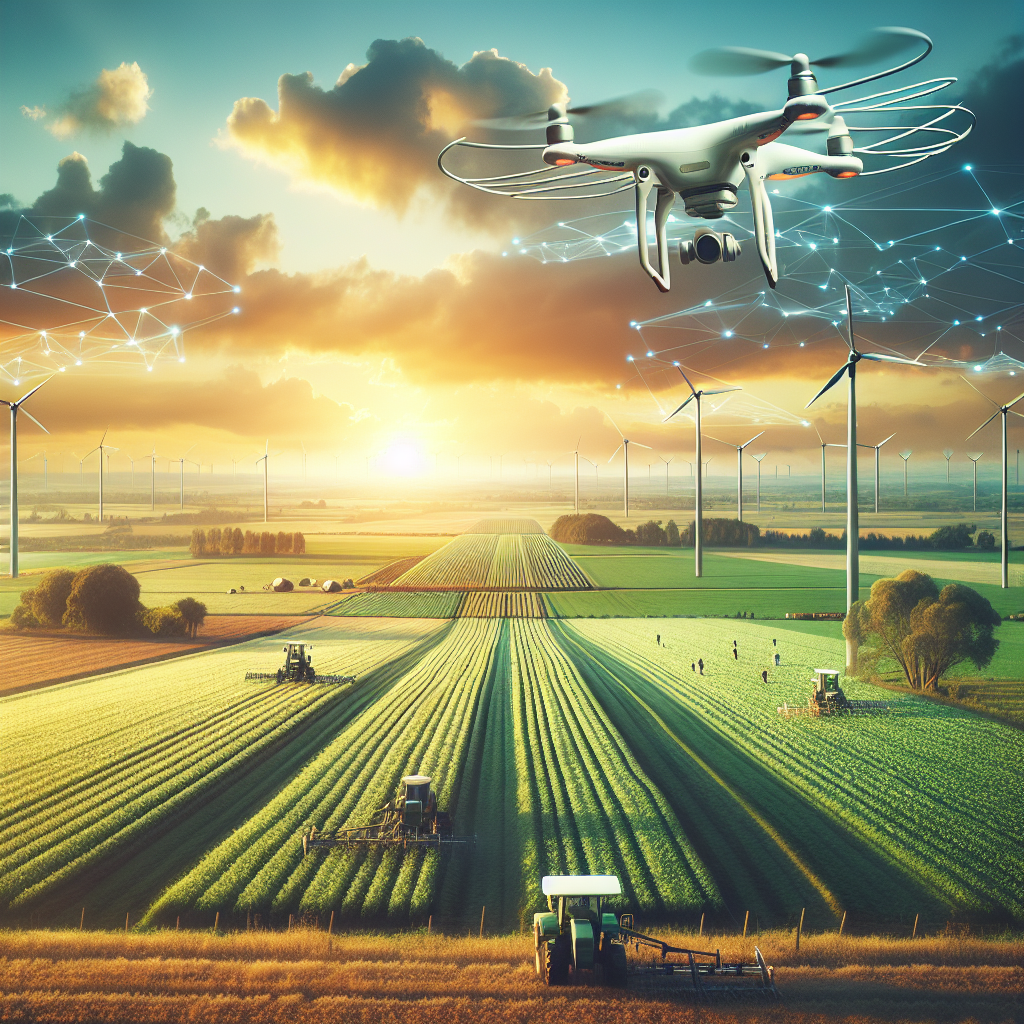
In an unprecedented leap into the skies of modern agriculture, startup Agriview has secured a hefty strategic investment of $30 million to propel its revolutionary drone farming automation technology powered by Ultra-Wideband (UWB) mesh networks. This funding round, announced on April 14, 2026, promises to turn the agricultural sector into a choreography of synchronized airborne robots, all while leaving traditional farming methods looking as outdated as rotary phones.
The Timing Couldn’t Be More Perfect
As global food demand surges by a staggering 70% by 2050, according to the United Nations, the need for innovative agricultural solutions has never been more pressing. Agriview's drones are not just flying machines; they are equipped with UWB mesh technology to enhance positioning accuracy, enabling them to plant, monitor, and harvest crops with laser-like precision. "It's like giving farmers a GPS-guided beetle army to wage war against inefficiency," quipped Agriview CEO Mark F. Harvest.
What is UWB Mesh Technology?
UWB mesh networks, known for their ability to communicate across vast distances and through obstacles, aim to revolutionize drone operation in farming. This technology ensures that a fleet of drones can operate seamlessly over large agricultural areas, sharing data and location information in real-time. As Harvest succinctly put it, "Imagine if your smartphone could throw a surprise birthday party for your crops—without you ever lifting a finger. That’s UWB for farming."
Market Context: A Sector Primed for Disruption
The agricultural technology market is expected to grow at a compounded annual growth rate (CAGR) of 25.5%, potentially reaching $29 billion by 2027. The investment into Agriview is part of a larger trend, with venture capitalists pouring nearly $5 billion into agritech startups last year alone. "Investing in drone farming is like buying a ticket to the most exclusive party of the decade, where the hors d'oeuvres are sustainably grown vegetables," said industry analyst Clara Greenfield.
The Risks of Farming from the Clouds
However, not all is clear skies and sunny forecasts. Critics warn that the reliance on drone technology could exacerbate existing inequalities within farming communities. Smallholder farmers may find themselves unable to compete with larger agribusinesses that can afford such advanced technology. "It’s like giving a Ferrari to a farmer still trying to figure out how to drive a lawnmower," noted agronomy expert Dr. Earl Plowman.
Potential Pitfalls: A Satirical Look at the Future
In the quest for the next agri-revolution, some skeptics question whether drone technology is the final frontier or merely a shiny distraction. "What’s next? AI-driven goats that decide whether crops need watering or a pep talk?" mused pessimistic investor Felicity Downturn. As we stand on the precipice of this fanciful future, one wonders if the real innovation is merely the ability to strap a camera on a flying object.
Conclusion: A Flight of Fancy or the New Normal?
The future of farming may indeed be in the air, but as Agriview embarks on this high-stakes adventure, it remains to be seen whether the agricultural community will embrace this technological marvel or view it with suspicion. In the words of Harvest, "We’re not just throwing seeds; we’re throwing caution to the wind—literally." As drone farming takes off, we can only hope that the bounty of benefits outweighs the potential pitfalls.
What's Your Reaction?
 Like
0
Like
0
 Dislike
0
Dislike
0
 Love
0
Love
0
 Funny
0
Funny
0
 Angry
0
Angry
0
 Sad
0
Sad
0
 Wow
0
Wow
0