




Is AI the New Oracle? How a Pop-Up Store Prediction Engine Aims to Rewrite Retail's Rulebook
By StartupKorea Business Desk | May 10, 2026 The Fortune Teller of Retail: AI Predicts the Future of Pop-Up StoresIn a bold and somewhat bewildering move, the newly launched startup, Retail Visionary, has unveiled its real-time context awar...

By StartupKorea Business Desk | May 10, 2026
The Fortune Teller of Retail: AI Predicts the Future of Pop-Up Stores
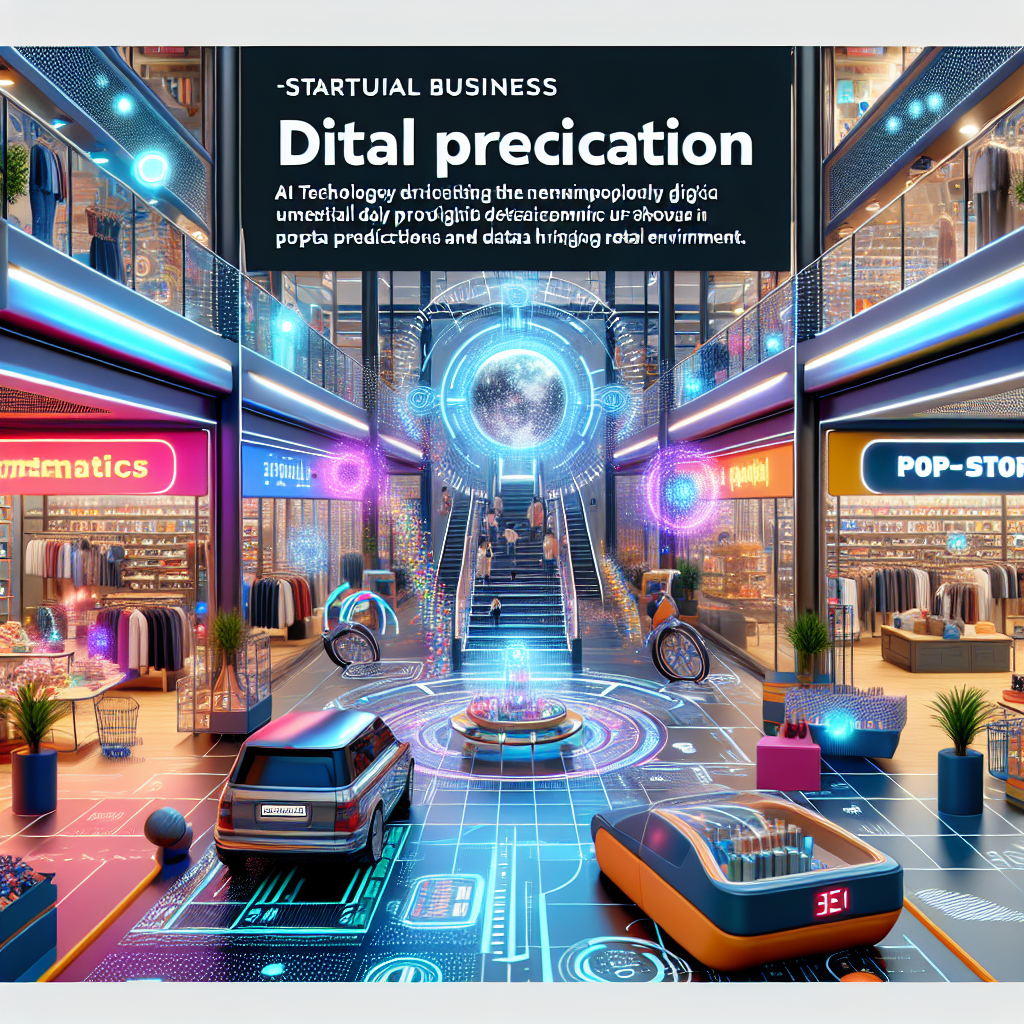
In a bold and somewhat bewildering move, the newly launched startup, Retail Visionary, has unveiled its real-time context awareness engine designed to predict the success or doom of pop-up stores before the first latte is poured. With funding from overseas sovereign wealth funds amounting to $50 million, this venture is daring to disrupt the face of retail as we know it—one artisanal candle at a time.
The Algorithm Behind the Magic
At the heart of Retail Visionary's efforts lies a technology so sophisticated that even the most mystical oracles would be envious. The company claims its proprietary AI can analyze an assortment of variables—from foot traffic patterns to local pet ownership statistics—to glean insights into which pop-ups will thrive and which will become the next Instagram-worthy ghost town. CEO Samantha Blink, who previously held a vice-presidential role in a tech firm specializing in paperclips, stated, 'Our AI isn't just smart; it's practically clairvoyant. It can tell if a vegan taco pop-up is doomed simply by the number of yoga studios in the vicinity.'
Investment: The Global Bet on Retail's Crystal Ball
With $50 million in backing from various international sovereign funds—including Norway's Government Pension Fund and Saudi Arabia's Public Investment Fund—Retail Visionary is now entering the retail tech arena with the aplomb of a circus performer on a high wire. The global retail analytics market is projected to reach $20 billion by 2027, growing at a compound annual growth rate (CAGR) of 15.2%, which makes it an irresistible target for investors eager to capitalize on trend forecasting. Investor Mark Thrift quipped, 'Who wouldn't want to fund a technology that could turn shopping into a game of predictive roulette?'
Market Context: A Sea of Uncertainty
Despite the optimism swirling around this AI endeavor, the pop-up culture remains as unpredictable as the weather in April. The average lifespan of a pop-up store is a mere 3 to 6 months, and only 30% report a profit during their short tenure. Retail Visionary aims to flip those statistics on their head, promising a 70% success rate for their predicted ventures, which sounds as plausible as the last time someone claimed their diet involved only kale and air.
Risks and Rewards: The Devil in the Data
However, there is an undercurrent of skepticism surrounding the startup. Critics argue that no amount of algorithmic wizardry can replace the instinct and creativity of seasoned retailers. Analyst Jane Skeptic noted, 'It's like trying to predict the weather with a magic eight ball. Sometimes, the less data you have, the more you know.' This raises questions about how much reliance can—or should—be placed on AI in an industry that thrives on human connection.
Counting Down to Launch: Will It Soar or Sink?
As Retail Visionary gears up for its first roll-out of predictions this summer, the excitement is palpable—or is that just the scent of overpriced artisanal coffee wafting through the air? The stakes are high, and the eyes of investors and retailers alike are glued not only to the numbers but also to the sheer absurdity of using AI to predict the unpredictable.
- $50 million in funding from sovereign wealth funds
- Retail analytics market expected to reach $20 billion by 2027
- Only 30% of pop-up stores report a profit
- Retail Visionary aims for a 70% success prediction rate
In a world where the only certainty is uncertainty, Retail Visionary is betting on the notion that algorithms can outsmart serendipity. If they succeed, it might just revolutionize retail. If they fail, well, they can always blame it on the lack of organic kombucha sales in the area.
What's Your Reaction?
 Like
0
Like
0
 Dislike
0
Dislike
0
 Love
0
Love
0
 Funny
0
Funny
0
 Angry
0
Angry
0
 Sad
0
Sad
0
 Wow
0
Wow
0