




Innovative Approaches to Urban Mobility: The Intersection of Carbon Credits and AI
Innovative Approaches to Urban Mobility: The Intersection of Carbon Credits and AI By Startup Korea Research Desk | May 22, 2026 As urban areas continue to grapple with congestion and environmental concerns, innovative solutions are emerging tha...

Innovative Approaches to Urban Mobility: The Intersection of Carbon Credits and AI
By Startup Korea Research Desk | May 22, 2026
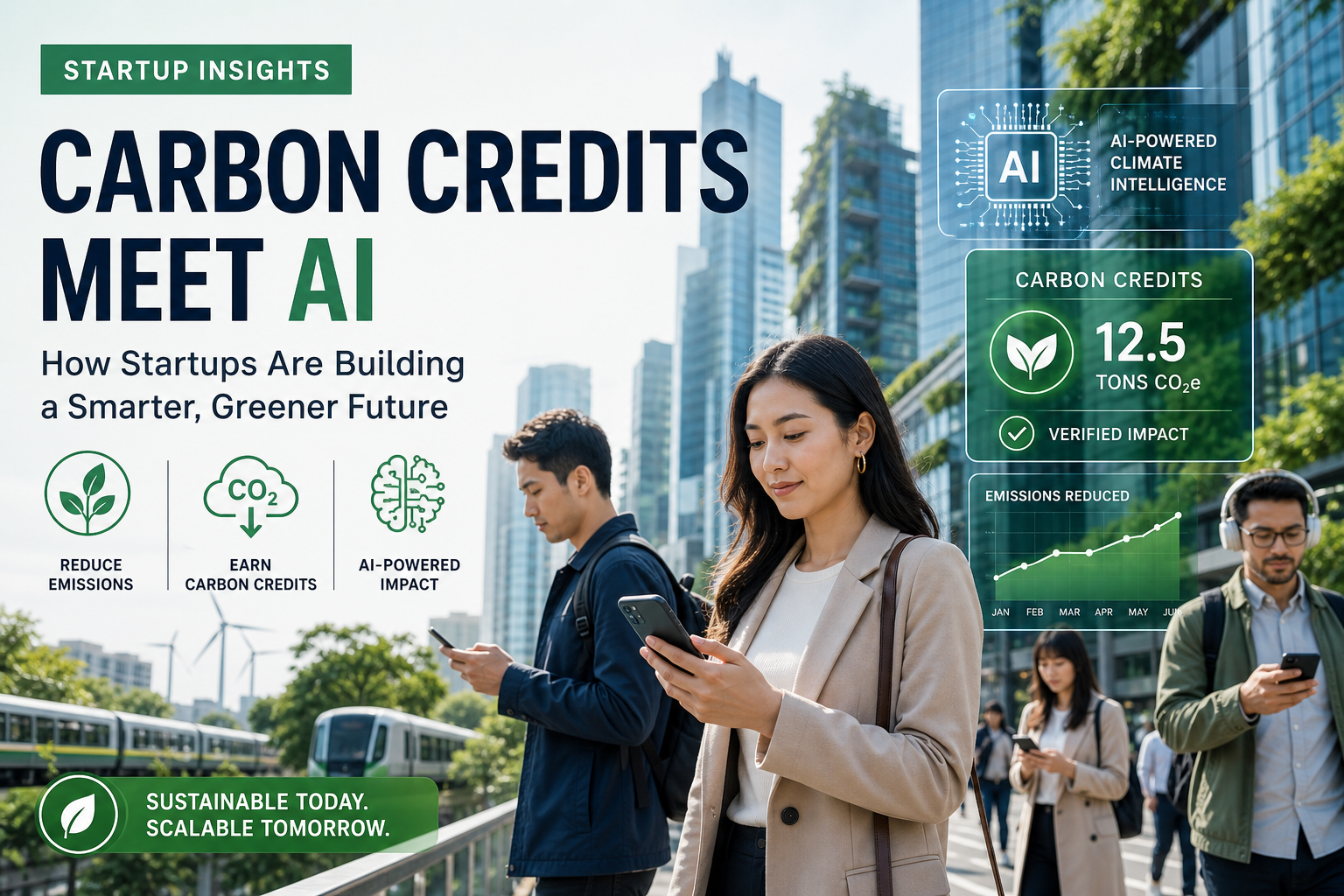
As urban areas continue to grapple with congestion and environmental concerns, innovative solutions are emerging that leverage technology to address these challenges. A recent development in the startup ecosystem highlights the potential of combining artificial intelligence (AI) with carbon credit systems to enhance urban mobility. This analysis explores the implications of such innovations, market trends, and the associated risks for investors and entrepreneurs.
The Rise of Carbon Credit Systems
The global carbon credit market has seen significant growth, currently estimated at around $300 billion, with projections indicating a potential doubling by 2030. This surge is driven by increasing regulatory pressures and a growing emphasis on sustainability across various sectors. Carbon credits allow companies and individuals to offset their carbon emissions by investing in projects that reduce greenhouse gases, creating a financial incentive for environmentally friendly practices.
Urban Mobility Market Dynamics
Simultaneously, the urban mobility solutions market is valued at approximately $100 billion. This sector is evolving rapidly, with a focus on reducing congestion and improving transportation efficiency. The integration of AI technologies into urban mobility solutions is becoming increasingly prevalent, as these tools can analyze vast amounts of data to optimize traffic flow, enhance public transportation systems, and promote alternative modes of transport.
Innovative Business Models
Recent initiatives, such as those proposed by emerging startups, aim to gamify the process of reducing carbon footprints while improving urban transportation. By incentivizing users to engage in sustainable commuting practices, these platforms can potentially create a community of environmentally conscious individuals who are motivated to compete in reducing their carbon emissions.
- Gamification of Sustainability: The concept of gamifying carbon credits could attract a broader audience, particularly younger consumers who are more inclined to engage with interactive platforms.
- AI-Driven Solutions: Leveraging AI to analyze commuting patterns and optimize routes can lead to more efficient urban mobility, reducing overall emissions and improving user experience.
- Community Engagement: Creating a competitive yet collaborative environment encourages users to adopt sustainable practices, fostering a culture of environmental responsibility.
Investment Landscape
Investor interest in these innovative approaches is high, as they represent a convergence of two rapidly growing markets: carbon credits and urban mobility solutions. The potential for substantial returns is attracting venture capitalists and institutional investors alike, who are eager to support startups that offer scalable solutions to pressing urban challenges.
However, while the enthusiasm is palpable, it is essential for investors to conduct thorough due diligence. Understanding the regulatory landscape surrounding carbon credits, as well as the technological feasibility of proposed solutions, is crucial for assessing the long-term viability of these business models.
Challenges and Risks
Despite the promising outlook, several risks and challenges must be considered:
- Regulatory Uncertainty: The carbon credit market is subject to evolving regulations, which can impact the viability of related business models.
- Market Saturation: As more players enter the urban mobility space, competition may intensify, potentially leading to market saturation and reduced profitability.
- Adoption Barriers: Encouraging widespread adoption of new technologies and practices can be challenging, particularly in regions with established transportation habits.
Strategic Considerations for Founders
For entrepreneurs looking to enter this space, several strategic considerations can enhance the likelihood of success:
- Focus on User Experience: Prioritizing a seamless and engaging user experience can drive adoption and retention, crucial for the success of gamified platforms.
- Build Partnerships: Collaborating with local governments, transportation agencies, and environmental organizations can enhance credibility and facilitate market entry.
- Stay Agile: The ability to adapt to changing market conditions and regulatory environments will be vital for long-term sustainability.
Conclusion
The intersection of carbon credits and AI-driven urban mobility solutions presents a unique opportunity for innovation and investment. As cities continue to evolve and face environmental challenges, startups that can effectively leverage technology to promote sustainable practices will likely play a pivotal role in shaping the future of urban transportation. However, both investors and founders must remain vigilant in navigating the complexities of this emerging market.
Editor's note: This is original market analysis and not investment advice.
What's Your Reaction?
 Like
0
Like
0
 Dislike
0
Dislike
0
 Love
0
Love
0
 Funny
0
Funny
0
 Angry
0
Angry
0
 Sad
0
Sad
0
 Wow
0
Wow
0