




Evaluating the Potential of SaaS Solutions in Business Travel Management
Evaluating the Potential of SaaS Solutions in Business Travel Management By Startup Korea Research Desk | May 24, 2026 As the landscape of business travel continues to evolve, companies are increasingly seeking innovative solutions to address th...

Evaluating the Potential of SaaS Solutions in Business Travel Management
By Startup Korea Research Desk | May 24, 2026
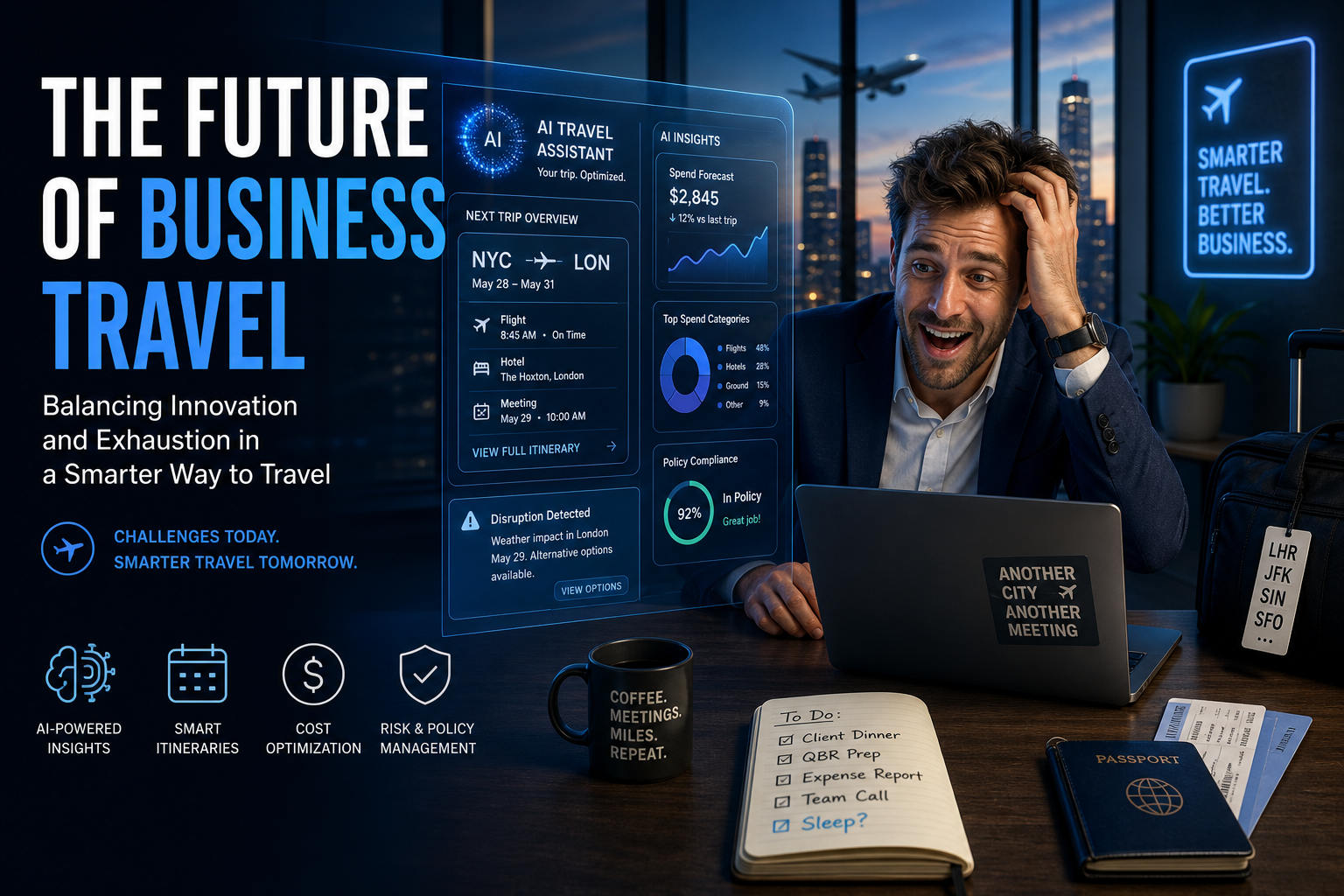
As the landscape of business travel continues to evolve, companies are increasingly seeking innovative solutions to address the challenges associated with travel fatigue. A new startup has emerged in this space, offering a Software as a Service (SaaS) platform designed to optimize travel management and enhance the overall experience for business travelers. This analysis explores the market trends, technology adoption risks, and strategic considerations for investors and founders in this burgeoning sector.
Market Dynamics and Growth Potential
The corporate travel software market is projected to reach $1.3 billion by 2027, with a compound annual growth rate (CAGR) of 11.5%. Despite this promising growth trajectory, the market faces significant challenges, particularly in quantifying the impact of employee fatigue on productivity. A survey conducted by the National Business Travel Association revealed that 62% of business travelers experience a notable decline in productivity during trips. However, less than 30% of organizations have adopted technologies aimed at mitigating these issues.
This gap presents a substantial opportunity for startups focused on developing solutions that address the pain points of business travel. Companies are increasingly recognizing the importance of employee well-being, and there is a growing demand for tools that can enhance travel experiences and reduce fatigue.
Understanding the SaaS Offering
The startup's SaaS platform combines advanced scheduling algorithms and predictive analytics to provide tailored travel management solutions. By leveraging local AI inference gateways, the platform aims to deliver real-time data analysis and personalized recommendations based on travelers' schedules and preferences. This approach seeks to alleviate common travel-related stressors, such as scheduling conflicts and time zone challenges.
While the technology appears promising, it is essential to assess the quality of the business model. Subscription-based SaaS models can offer recurring revenue streams, which are attractive to investors. However, the success of such a model hinges on the platform's ability to demonstrate tangible benefits to users, particularly in terms of productivity and overall satisfaction.
Adoption Risks and Challenges
Despite the potential advantages of the startup's offering, several adoption risks must be considered. First, the effectiveness of the platform relies heavily on user engagement and the willingness of organizations to integrate new technologies into their existing travel management processes. Resistance to change is a common barrier in corporate environments, and it may take time for companies to embrace innovative solutions.
Additionally, the startup must navigate the complexities of data privacy and security, particularly when handling sensitive travel information. Establishing trust with users will be crucial for driving adoption and ensuring long-term success.
Investor Diligence and Strategic Considerations
For investors, the startup's value proposition must be carefully evaluated. While the corporate travel software market is poised for growth, investors should conduct thorough due diligence to assess the startup's competitive positioning and the scalability of its technology. Understanding the startup's customer acquisition strategy and its ability to differentiate itself from existing solutions will be critical in determining its potential for success.
Moreover, investors should consider the startup's leadership team and their ability to execute the business plan effectively. A strong founding team with relevant industry experience can significantly enhance the likelihood of success in a competitive landscape.
Conclusion
The emergence of SaaS solutions in the business travel sector reflects a broader trend toward leveraging technology to enhance employee experiences. As companies increasingly prioritize employee well-being and productivity, there is a growing market for innovative travel management solutions. However, the success of such startups will depend on their ability to navigate adoption risks, demonstrate measurable benefits, and establish a strong market presence.
Editor's note: This analysis is original market research and should not be construed as investment advice.
What's Your Reaction?
 Like
0
Like
0
 Dislike
0
Dislike
0
 Love
0
Love
0
 Funny
0
Funny
0
 Angry
0
Angry
0
 Sad
0
Sad
0
 Wow
0
Wow
0