


Emerging Trends in Literacy and Energy: Analyzing the Intersection of Education and Technology
By Startup Korea Research Desk | May 23, 2026 The convergence of technology and education has become a focal point for startups seeking to innovate in both sectors. Recent developments suggest that the literacy coaching market and advanced energ...

By Startup Korea Research Desk | May 23, 2026
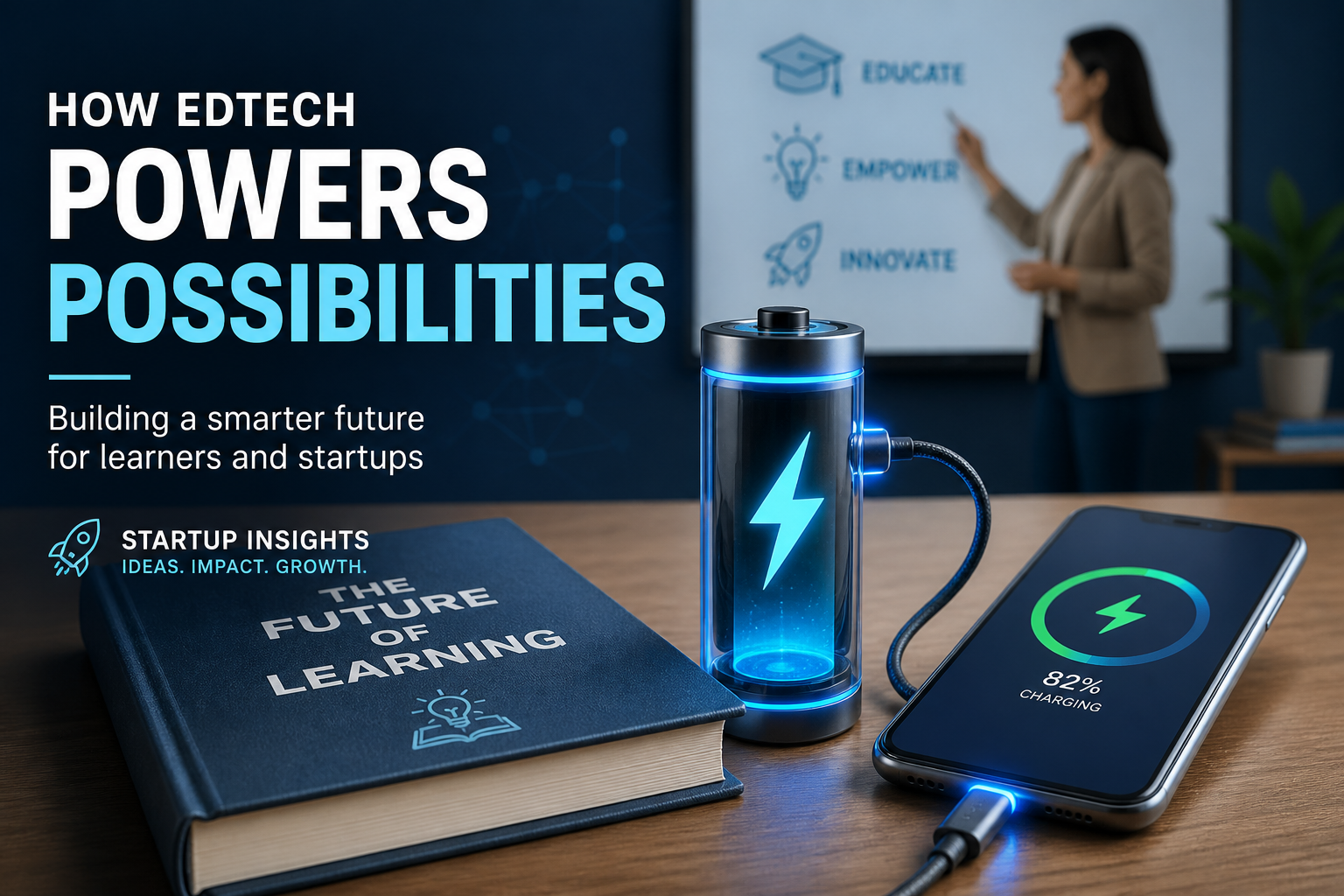
The convergence of technology and education has become a focal point for startups seeking to innovate in both sectors. Recent developments suggest that the literacy coaching market and advanced energy solutions, such as fusion battery technology, are emerging as significant areas of interest for investors and entrepreneurs alike. This analysis explores the market trends, potential business models, adoption risks, and strategies for founders operating at this intersection.
Market Overview
The global literacy coaching market is projected to reach $10 billion by 2028, driven by increasing awareness of the importance of literacy in personal and professional development. Concurrently, the fusion battery technology sector is anticipated to experience substantial growth, with estimates suggesting a 45% increase in market size over the next five years. This dual growth presents a unique opportunity for startups that can effectively integrate educational initiatives with cutting-edge energy solutions.
Business Model Quality
Startups that aim to merge literacy coaching with energy technology must carefully consider their business models. A successful approach would involve creating a product or service that not only addresses educational needs but also provides tangible benefits in energy efficiency or sustainability. For instance, a product that enhances reading skills while simultaneously offering energy solutions could appeal to both consumers and educational institutions.
- Value Proposition: The core value proposition should clearly articulate how the integration of literacy coaching and energy technology benefits users. This could involve enhancing cognitive skills while also providing reliable energy sources.
- Target Audience: Identifying and understanding the target audience is crucial. This could range from schools and educational organizations to tech-savvy consumers looking for innovative solutions.
- Revenue Streams: Potential revenue streams may include direct sales, subscription models for ongoing coaching, and partnerships with educational institutions or energy companies.
Adoption Risks
While the potential for growth in these sectors is significant, there are inherent risks associated with adoption. The novelty of combining literacy coaching with fusion battery technology may lead to skepticism among consumers and investors. Additionally, the technical feasibility of such products must be rigorously evaluated to ensure they meet safety and performance standards.
Moreover, market education will be essential. Potential customers need to understand the benefits of such a dual-purpose product, which may require substantial marketing efforts and educational outreach. Startups must be prepared to address concerns and demonstrate the practical applications of their innovations.
Investor Diligence
For investors, diligence is key when evaluating startups operating at this intersection. Understanding the technological underpinnings of fusion batteries, as well as the educational methodologies behind literacy coaching, is essential for making informed investment decisions. Investors should look for:
- Strong Leadership: Founders with a proven track record in either education or technology can instill confidence in potential investors.
- Robust Research: Startups should provide data-driven insights into market needs and technological feasibility, demonstrating a clear understanding of both sectors.
- Scalability: The ability to scale operations and adapt to market changes will be critical for long-term success.
Founder Strategy
For founders looking to navigate this complex landscape, a strategic approach is essential. This includes:
- Collaborative Partnerships: Forming alliances with educational institutions, technology companies, and research organizations can enhance credibility and provide valuable resources.
- Iterative Development: Adopting an agile development process allows startups to refine their products based on user feedback and market demands.
- Focus on Impact: Emphasizing the social impact of improving literacy rates while providing sustainable energy solutions can resonate with both consumers and investors.
Conclusion
The intersection of literacy coaching and fusion battery technology presents an intriguing opportunity for startups. As both markets continue to grow, innovative solutions that address educational needs while providing energy efficiency could capture significant market share. However, navigating the challenges of adoption, investor diligence, and strategic execution will be crucial for success in this evolving landscape.
Editor's note: This analysis is original market research and should not be construed as investment advice.
What's Your Reaction?
 Like
0
Like
0
 Dislike
0
Dislike
0
 Love
0
Love
0
 Funny
0
Funny
0
 Angry
0
Angry
0
 Sad
0
Sad
0
 Wow
0
Wow
0