



The Subscription Model for Lifelong Learning: Market Trends and Challenges Ahead
The Subscription Model for Lifelong Learning: Market Trends and Challenges Ahead By Startup Korea Research Desk | May 20, 2026 As the digital landscape continues to evolve, the concept of lifelong learning has gained significant traction. With t...

The Subscription Model for Lifelong Learning: Market Trends and Challenges Ahead
By Startup Korea Research Desk | May 20, 2026
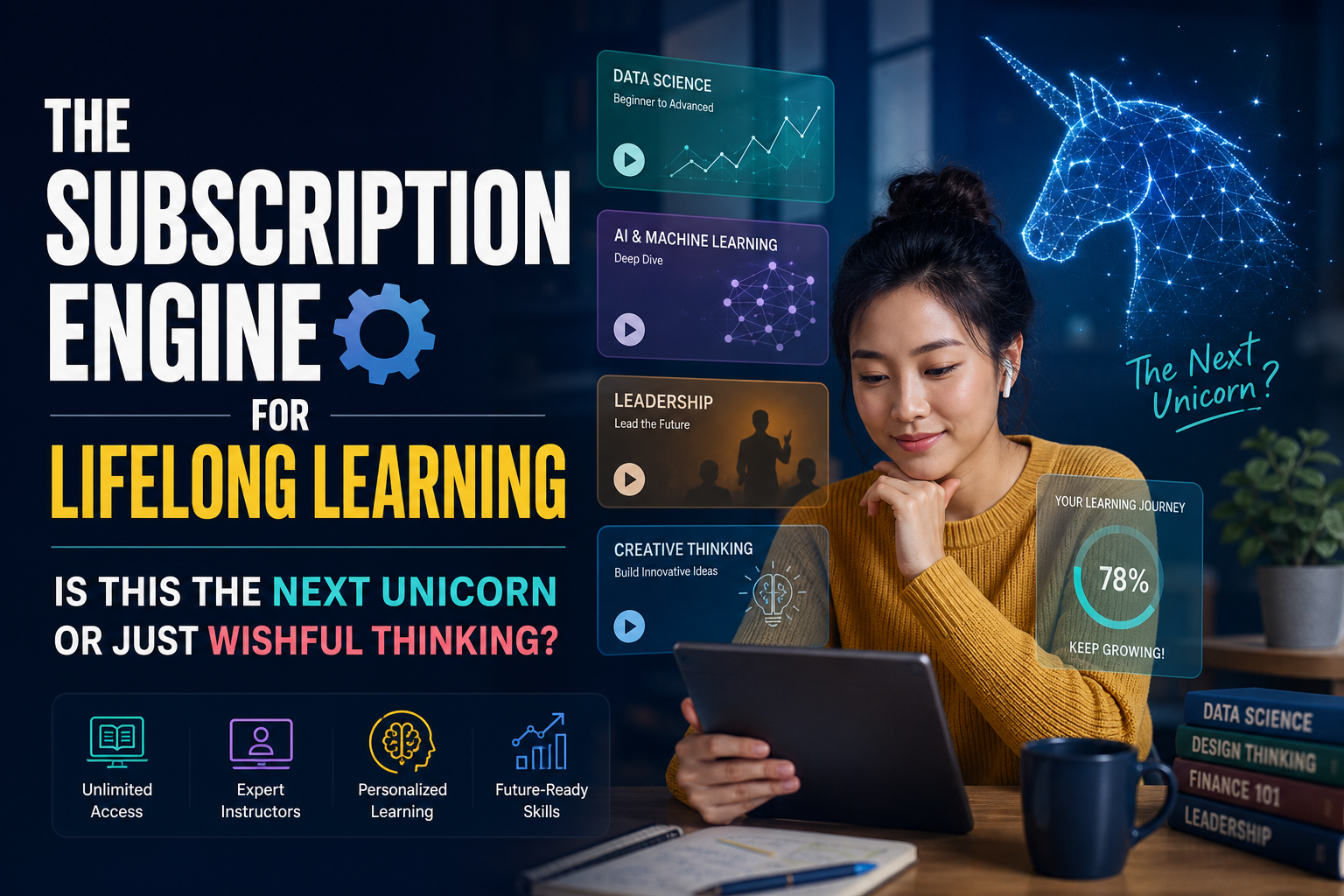
As the digital landscape continues to evolve, the concept of lifelong learning has gained significant traction. With the proliferation of online platforms and resources, individuals of all ages are increasingly seeking opportunities to enhance their skills and knowledge. This growing demand has led to the emergence of startups focusing on subscription-based models for educational content, aiming to make learning as accessible as streaming entertainment.
Market Growth and Potential
The global market for lifelong learning is projected to experience substantial growth, with estimates indicating an increase from $355 billion in 2023 to over $466 billion by 2030. This 31% growth reflects a broader societal shift towards continuous education, driven by technological advancements and the need for upskilling in an ever-changing job market. Investors are keenly interested in this sector, recognizing the potential for significant returns as more consumers turn to subscription services for their educational needs.
Business Model Viability
Subscription-based education platforms offer a compelling value proposition by providing users with a diverse range of courses and learning materials for a fixed monthly fee. This model not only democratizes access to knowledge but also allows for scalable revenue generation. However, the success of such platforms hinges on several critical factors:
- Content Quality: The effectiveness of a subscription service is largely determined by the quality and relevance of its content. Providers must ensure that they offer courses that meet the evolving needs of learners.
- User Experience: A seamless and intuitive user interface is essential to facilitate engagement and retention. Platforms must prioritize user experience to prevent potential drop-offs.
- Market Differentiation: With numerous players entering the market, differentiation becomes crucial. Startups must identify unique selling points, whether through specialized content or innovative delivery methods.
Adoption Risks and Challenges
Despite the promising outlook, there are inherent risks associated with the subscription model for lifelong learning. One significant concern is the potential for overwhelming users with too many choices, leading to what some analysts refer to as "analysis paralysis." This phenomenon can hinder decision-making and ultimately impact user satisfaction and retention.
Furthermore, the reliance on technology for course delivery introduces additional challenges. For instance, fluctuations in the performance of integrated technologies can affect the perceived value of the educational experience. Companies must remain vigilant in ensuring that their technological infrastructure is robust and reliable.
Investor Diligence
For investors, the burgeoning market for lifelong learning presents both opportunities and challenges. Diligence is essential when evaluating potential investments in this space. Key considerations include:
- Market Demand: Understanding the specific needs and preferences of target demographics is crucial for assessing market viability.
- Competitive Landscape: Analyzing competitors and their offerings can provide insights into market positioning and potential barriers to entry.
- Scalability: Investors should consider whether the business model is scalable and how it can adapt to changing market conditions.
Strategic Considerations for Founders
For founders operating in the lifelong learning space, developing a clear and actionable strategy is paramount. This includes:
- Building Partnerships: Collaborating with educational institutions and industry experts can enhance content credibility and attract a broader audience.
- Focusing on Engagement: Implementing features that encourage user interaction and community building can enhance the learning experience and foster loyalty.
- Continuous Improvement: Regularly soliciting user feedback and iterating on the platform can help ensure that offerings remain relevant and valuable.
Conclusion
The subscription model for lifelong learning represents a significant shift in how individuals approach education. While the market holds considerable promise, it is essential for startups to navigate the associated risks and challenges thoughtfully. By prioritizing content quality, user experience, and strategic differentiation, companies can position themselves for success in this dynamic landscape.
Editor's note: This is original market analysis and not investment advice.
What's Your Reaction?
 Like
0
Like
0
 Dislike
0
Dislike
0
 Love
0
Love
0
 Funny
0
Funny
0
 Angry
0
Angry
0
 Sad
0
Sad
0
 Wow
0
Wow
0