
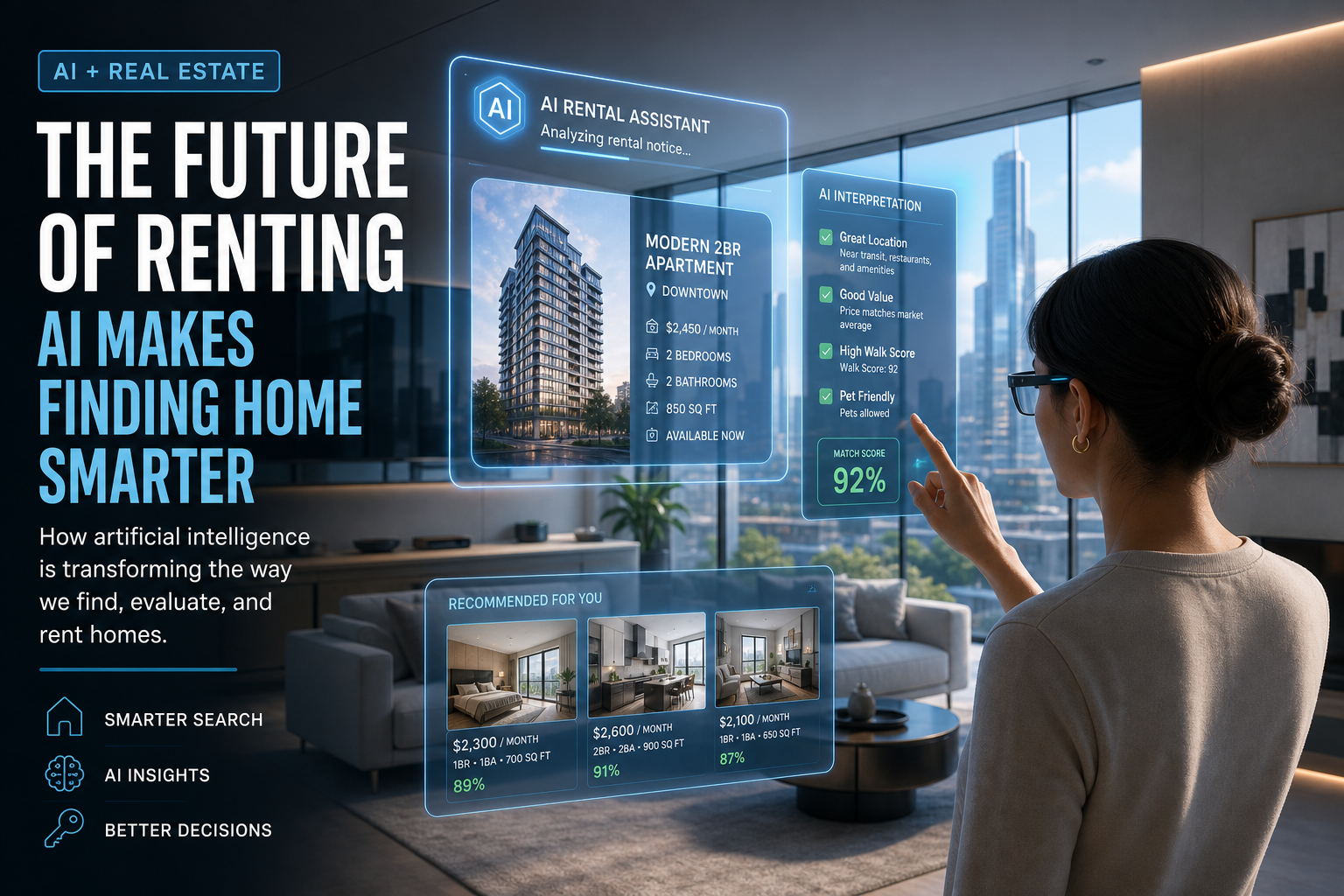




The Role of AI in Urban Redesign: Opportunities and Challenges for Citizen Engagement Platforms
The Role of AI in Urban Redesign: Opportunities and Challenges for Citizen Engagement Platforms By Startup Korea Research Desk | Apr 25, 2026 The urban design landscape is undergoing a significant transformation, driven by advancements in artifi...


The Role of AI in Urban Redesign: Opportunities and Challenges for Citizen Engagement Platforms
By Startup Korea Research Desk | Apr 25, 2026
The urban design landscape is undergoing a significant transformation, driven by advancements in artificial intelligence (AI) and a growing emphasis on citizen participation. Startups focusing on these technologies are emerging with the promise of reshaping how communities engage in the planning and redesign of their urban environments. However, while the potential for innovation is substantial, there are inherent risks and challenges that must be addressed.
Market Trends in Urban Redesign
The urban redesign market is projected to reach approximately $250 billion by 2028, with a compound annual growth rate (CAGR) of around 12%. This growth is largely fueled by increasing urbanization, climate change challenges, and the need for sustainable development. As cities expand and evolve, the demand for innovative solutions that facilitate community involvement in urban planning becomes more pressing.
AI-driven platforms are at the forefront of this trend, offering tools that enable citizens to provide feedback on urban design proposals, suggest modifications, and engage in real-time discussions about their environments. These platforms aim to democratize urban planning, allowing for a more inclusive approach that considers diverse community needs and preferences.
Business Model Quality and Adoption Risks
While the concept of AI-fueled citizen participation platforms is appealing, the execution of these business models presents several challenges. One key issue is user engagement. The success of such platforms relies heavily on active participation from a broad demographic, which can be difficult to achieve. Factors such as digital literacy, access to technology, and varying levels of interest in urban planning can create barriers to widespread adoption.
Moreover, the effectiveness of these platforms hinges on their ability to accurately interpret community feedback and translate it into actionable urban design proposals. This raises questions about the algorithms used and the potential for bias in decision-making processes. If the platforms prioritize the voices of a vocal minority over the broader community, the outcomes may not reflect the true needs and desires of the population.
Investor Diligence and Market Viability
Investors are increasingly drawn to the potential of AI in urban redesign, as evidenced by significant funding rounds for startups in this space. However, due diligence is essential. Investors must critically assess the long-term viability of these ventures, considering factors such as market competition, regulatory challenges, and the scalability of the technology.
As urban planners and technology enthusiasts explore these new platforms, it is crucial to evaluate the sustainability of their business models. For instance, understanding how these startups plan to generate revenue—whether through subscription models, partnerships with municipalities, or other means—will be vital in determining their future success.
Strategies for Founders
For founders of AI-driven citizen engagement platforms, developing a clear strategy that addresses both technological and community engagement challenges is paramount. This includes creating user-friendly interfaces that encourage participation, ensuring transparency in how feedback is utilized, and fostering trust within the community.
Additionally, founders should consider forming partnerships with local governments and urban planning organizations to enhance credibility and facilitate smoother integration of their platforms into existing planning processes. By aligning their goals with those of public stakeholders, these startups can increase their chances of success and create more meaningful impact in urban redesign.
Conclusion
The integration of AI in urban redesign presents a unique opportunity to enhance citizen engagement and create more responsive urban environments. However, the path forward is fraught with challenges that require careful navigation. As the market for urban redesign continues to grow, startups must prioritize user engagement, address potential biases, and develop sustainable business models to thrive in this evolving landscape.
Editor's note: This article is original market analysis and not investment advice.
What's Your Reaction?
 Like
0
Like
0
 Dislike
0
Dislike
0
 Love
0
Love
0
 Funny
0
Funny
0
 Angry
0
Angry
0
 Sad
0
Sad
0
 Wow
0
Wow
0