


The Rise of Meta-Manufacturing: Analyzing Trends in Digital Production and Investment
The Rise of Meta-Manufacturing: Analyzing Trends in Digital Production and Investment By Startup Korea Research Desk | May 15, 2026 The concept of meta-manufacturing is gaining traction in the tech startup ecosystem, driven by advancements in so...

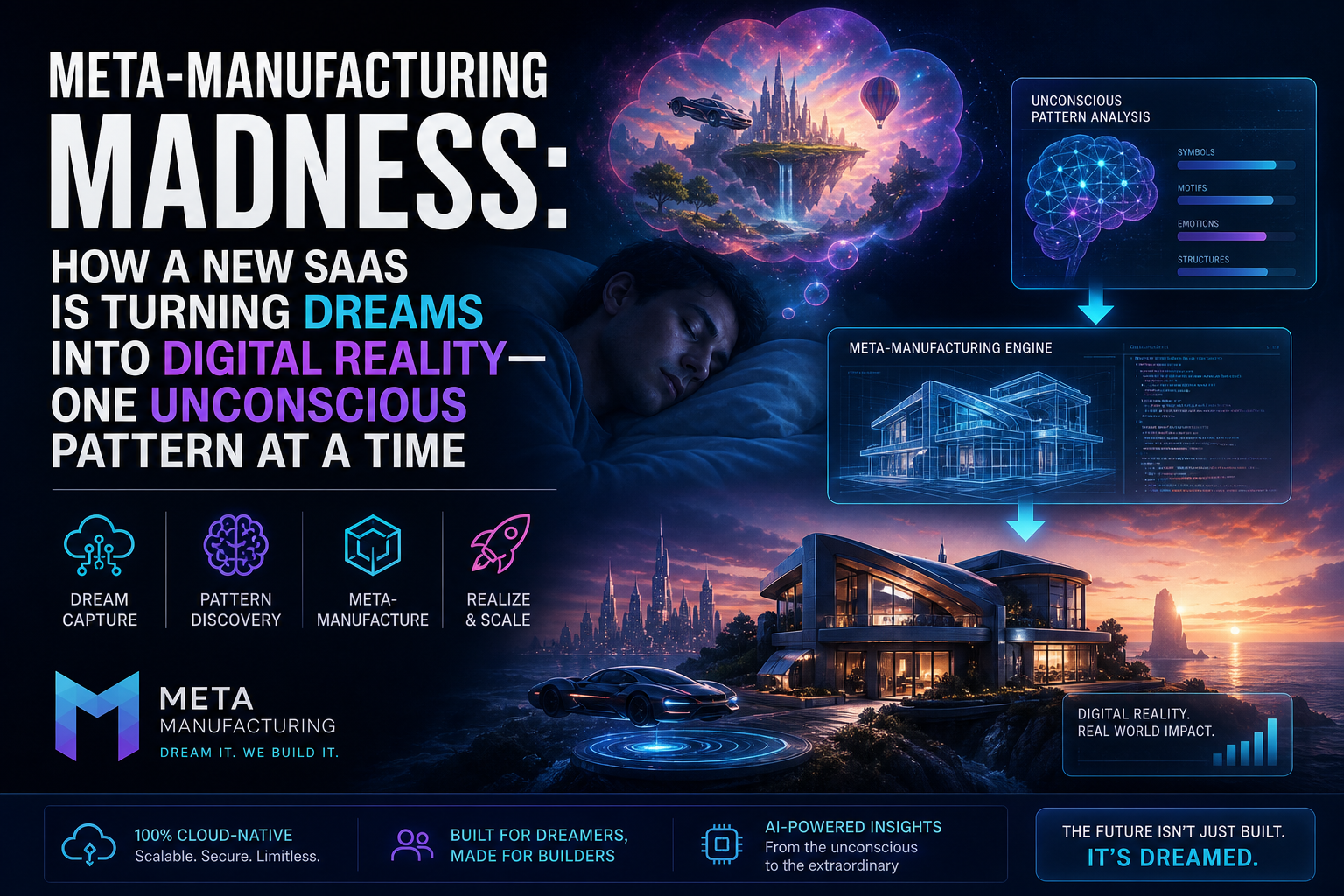
The Rise of Meta-Manufacturing: Analyzing Trends in Digital Production and Investment
By Startup Korea Research Desk | May 15, 2026
The concept of meta-manufacturing is gaining traction in the tech startup ecosystem, driven by advancements in software-as-a-service (SaaS) solutions that aim to integrate digital and physical production processes. This analysis explores the current landscape of meta-manufacturing, its implications for the manufacturing sector, and the investment climate surrounding this emerging trend.
Understanding Meta-Manufacturing
Meta-manufacturing refers to the use of digital technologies to enhance and optimize manufacturing processes. This includes leveraging data analytics, artificial intelligence, and virtual environments to improve efficiency and product quality. Startups in this space are developing innovative solutions that promise to transform traditional manufacturing paradigms, making them more responsive to consumer demands and operational challenges.
Market Trends and Growth Potential
The global manufacturing sector is undergoing a significant transformation, with digital technologies playing a pivotal role. According to recent industry reports, investments in digital manufacturing technologies are expected to increase substantially over the next few years. For instance, the market for virtual environments, which includes applications in manufacturing, is projected to grow from $4 billion in 2023 to $40 billion by 2028. This growth is indicative of a broader trend where companies are seeking to enhance their production capabilities through digital means.
Investment Landscape
As the meta-manufacturing sector attracts attention, venture capitalists and institutional investors are increasingly interested in funding startups that offer innovative solutions. Recent funding rounds have seen substantial investments in companies that claim to harness advanced technologies to streamline manufacturing processes. For example, a tech startup recently raised $75 million to develop a platform that integrates unconscious pattern analysis into production workflows. This approach aims to optimize efficiency by tapping into insights derived from employee behavior and preferences.
Business Model Quality and Adoption Risks
While the potential for meta-manufacturing is significant, the business models employed by startups in this space must be scrutinized for sustainability and scalability. Companies need to demonstrate clear value propositions that resonate with manufacturers facing increasing pressure to innovate. Additionally, the adoption of new technologies often comes with risks, including resistance from traditional manufacturing stakeholders and the challenge of integrating digital solutions into established processes.
Investor Diligence and Market Viability
Investors are advised to conduct thorough due diligence when considering opportunities in the meta-manufacturing sector. This includes evaluating the technology's feasibility, the startup's management team, and the competitive landscape. Given the rapid pace of technological advancement, investors must also assess the long-term viability of the solutions being offered and their alignment with market needs.
Strategic Considerations for Founders
For founders in the meta-manufacturing space, developing a robust go-to-market strategy is crucial. This involves identifying target customers, understanding their pain points, and articulating how the proposed solutions can address these challenges. Additionally, founders should be prepared to pivot their business models in response to market feedback and evolving technological trends.
Conclusion
The rise of meta-manufacturing represents a significant shift in how production processes are conceptualized and executed. As digital technologies continue to evolve, the potential for innovation in manufacturing is vast. However, both investors and founders must navigate the complexities of this emerging landscape with caution, ensuring that their strategies are grounded in market realities and technological feasibility.
Editor's note: This article is original market analysis and does not constitute investment advice.
What's Your Reaction?
 Like
0
Like
0
 Dislike
0
Dislike
0
 Love
0
Love
0
 Funny
0
Funny
0
 Angry
0
Angry
0
 Sad
0
Sad
0
 Wow
0
Wow
0