

The Rise of Brand Studios: Transforming Goods into Experiences through Robotics
The Rise of Brand Studios: Transforming Goods into Experiences through Robotics By Startup Korea Research Desk | Apr 06, 2026 In recent years, the landscape of consumer goods has evolved significantly, with a notable emergence of brand studios t...

The Rise of Brand Studios: Transforming Goods into Experiences through Robotics
By Startup Korea Research Desk | Apr 06, 2026
In recent years, the landscape of consumer goods has evolved significantly, with a notable emergence of brand studios that are redefining traditional business models. These startups are not merely selling products; they are creating immersive experiences that resonate with consumers on a deeper level. This analysis explores the current trends in the brand studio sector, the role of robotic technology in enhancing consumer interaction, and the associated risks and opportunities for investors.
Understanding Brand Studios
Brand studios represent a new wave of startups that focus on the branding and marketing of products as a core business strategy. Unlike conventional retailers that prioritize sales volume, brand studios emphasize creating a unique identity and narrative around their offerings. This shift is particularly evident in niche markets, where products ranging from artisanal soaps to specialty pet foods are being transformed into branded experiences.
The Role of Robotic Technology
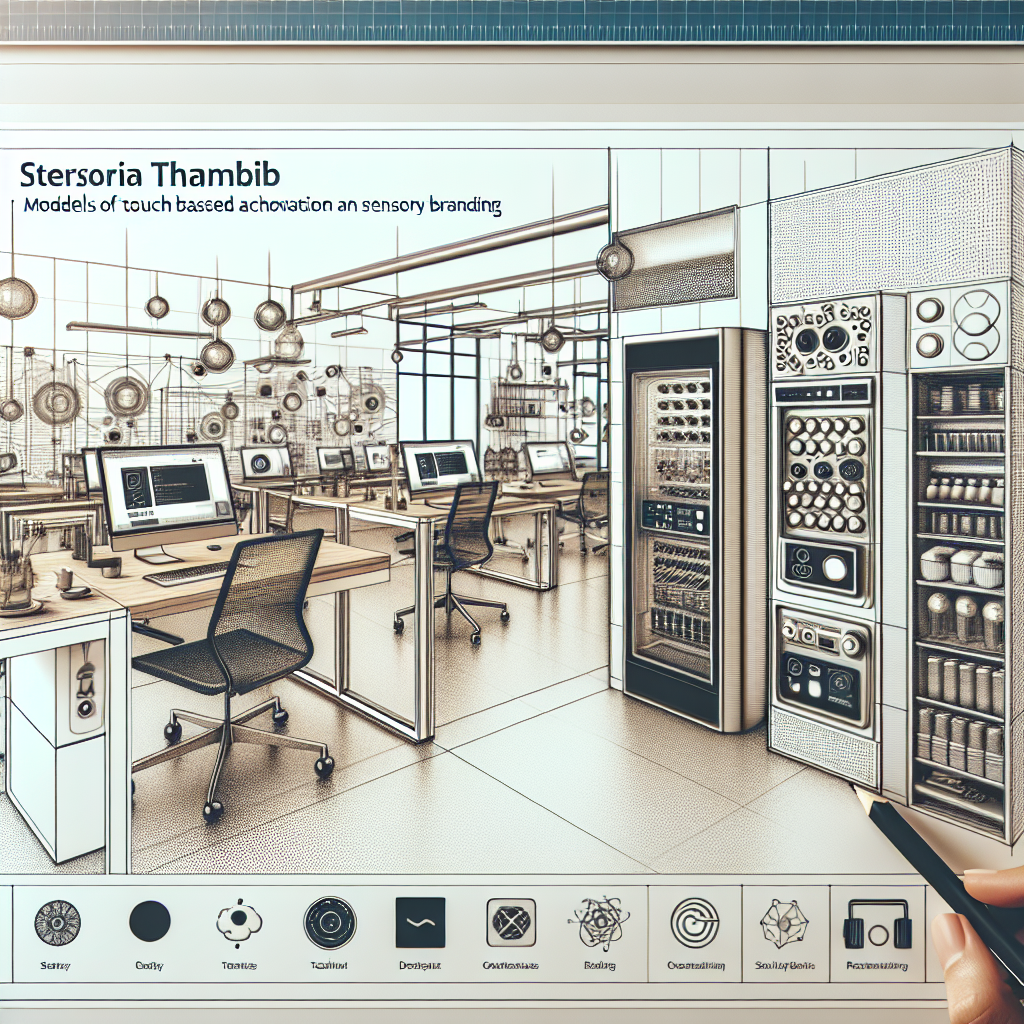
Central to the evolution of brand studios is the integration of advanced robotic technology, particularly in the realm of sensory experiences. This technology enables consumers to engage with products in ways that were previously unimaginable. For instance, innovations in tactile robotics allow potential buyers to virtually experience the texture and feel of products before making a purchase. This capability not only enhances consumer confidence but also reduces the likelihood of returns, a significant issue in e-commerce.
Market Trends and Investment Opportunities
The brand studio sector is witnessing a surge in interest from venture capitalists, with funding for sensory branding initiatives increasing significantly year-over-year. This trend indicates a growing recognition of the potential for tactile experiences to drive consumer engagement and loyalty. Investors are increasingly drawn to startups that leverage technology to create memorable interactions, believing that such innovations will lead to sustainable growth and profitability.
Cross-Border Mergers and Acquisitions
As brand studios gain traction, cross-border mergers and acquisitions (M&A) are becoming a prevalent strategy for growth. In 2025, the global M&A market reached unprecedented levels, with companies seeking to expand their reach and capitalize on the demand for unique sensory-driven products. This trend underscores the importance of scalability and international market penetration for startups in this space.
Risks and Challenges
Despite the promising outlook for brand studios, there are inherent risks associated with the adoption of sensory technology. The novelty of tactile experiences may not resonate with all consumer segments, and there is a risk of overhyping these innovations. Startups must conduct thorough market research to ensure that their offerings align with consumer preferences and behaviors. Additionally, the rapid pace of technological advancement necessitates continuous adaptation and innovation, which can strain resources and operational capabilities.
Strategic Considerations for Founders
For founders in the brand studio sector, a clear strategy is essential for navigating the complexities of the market. This includes understanding the competitive landscape, identifying target demographics, and developing a robust marketing strategy that highlights the unique value proposition of their products. Collaboration with technology partners can also enhance the development of sensory experiences, providing a competitive edge in a crowded marketplace.
Conclusion
The rise of brand studios signifies a transformative shift in how consumer goods are marketed and sold. By leveraging robotic technology to create immersive experiences, these startups are not only enhancing consumer engagement but also redefining traditional business models. As the market continues to evolve, both investors and founders must remain vigilant in assessing risks and opportunities to capitalize on this burgeoning trend.
Editor's note: This article provides original market analysis and should not be considered investment advice.
What's Your Reaction?
 Like
0
Like
0
 Dislike
0
Dislike
0
 Love
0
Love
0
 Funny
0
Funny
0
 Angry
0
Angry
0
 Sad
0
Sad
0
 Wow
0
Wow
0