


The Intersection of AI and Pet Care: Analyzing the Market Potential of Emotional Analytics
The Intersection of AI and Pet Care: Analyzing the Market Potential of Emotional Analytics By Startup Korea Research Desk | May 18, 2026 The pet care industry has witnessed significant transformations in recent years, driven by advancements in t...

The Intersection of AI and Pet Care: Analyzing the Market Potential of Emotional Analytics
By Startup Korea Research Desk | May 18, 2026
The pet care industry has witnessed significant transformations in recent years, driven by advancements in technology and a growing focus on the emotional well-being of pets. One of the latest developments in this sector is the integration of artificial intelligence (AI) with pet care solutions, particularly in understanding and interpreting pet emotions. This analysis explores the market trends, business model viability, adoption risks, and strategic considerations for startups venturing into this innovative space.
Market Overview
The pet technology market is currently valued at approximately $24 billion and is projected to experience a robust annual growth rate of around 20%. This growth is largely attributed to the increasing humanization of pets, where owners are more inclined to invest in products and services that enhance their pets' quality of life. As pet ownership continues to rise, so does the demand for personalized and emotionally attuned pet care solutions.
Emerging Technologies in Pet Care
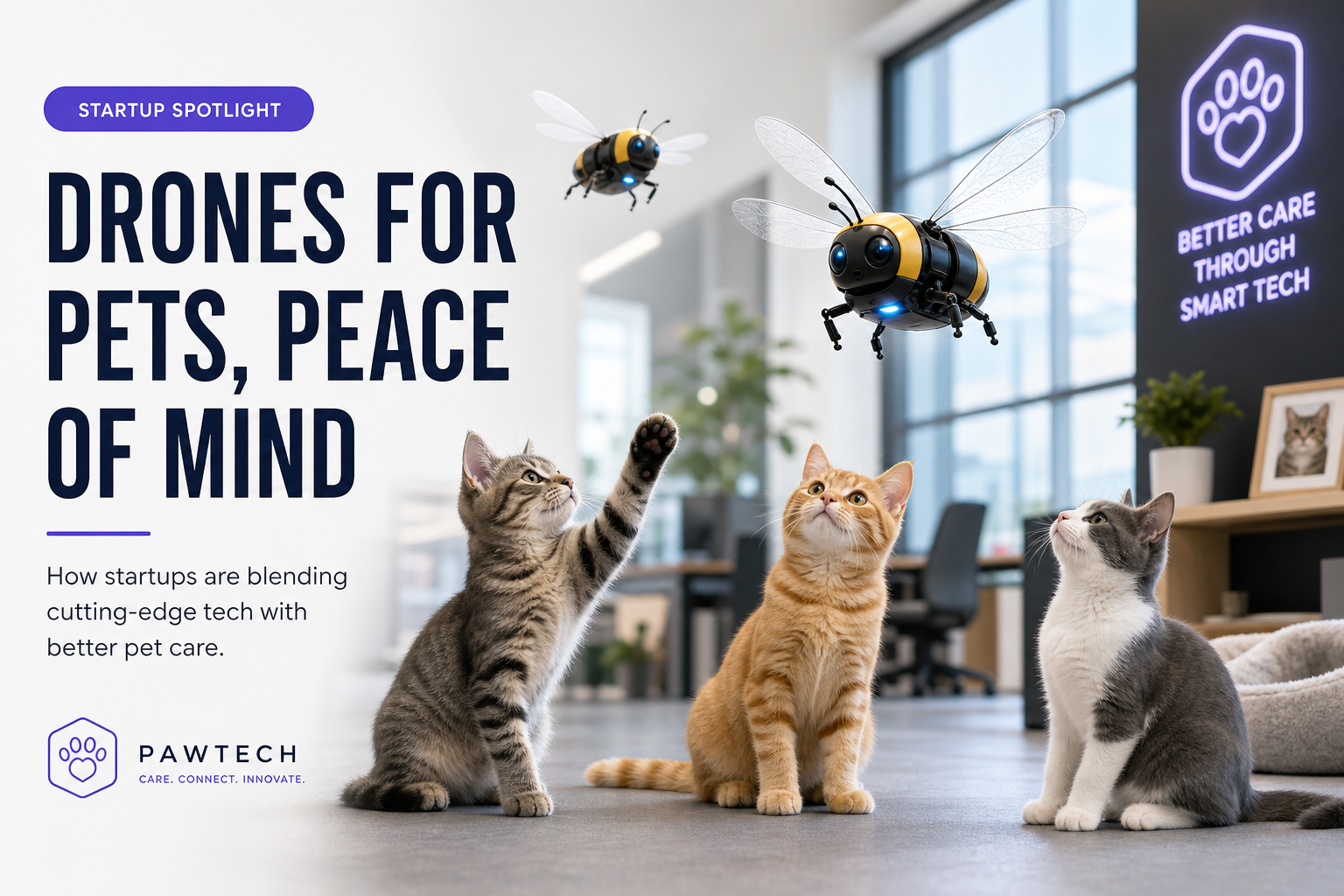
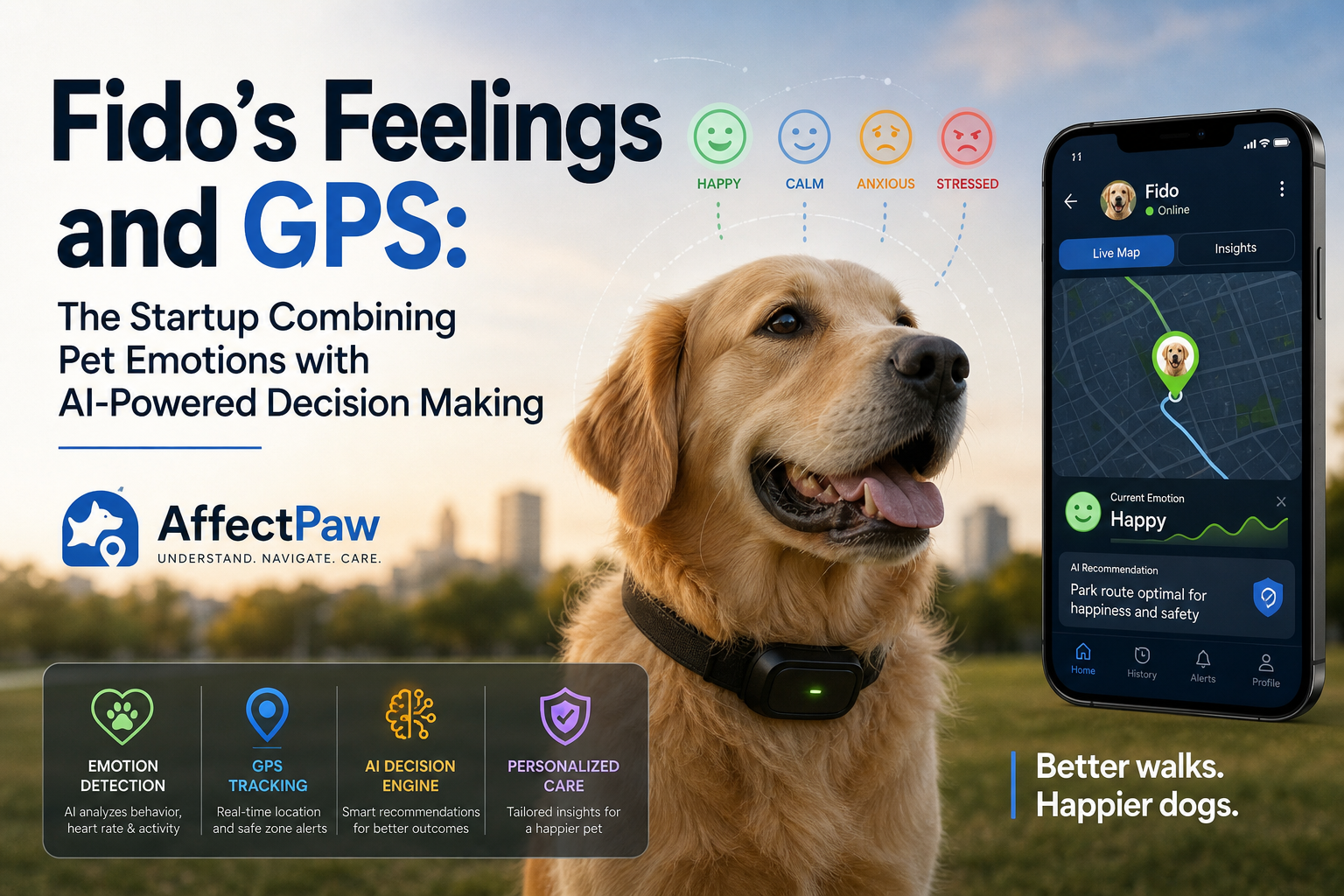
One of the most intriguing developments is the emergence of products that combine GPS tracking with emotional analytics. Startups are now exploring ways to utilize AI algorithms to assess and interpret a pet's emotional state in real-time. This dual functionality not only addresses the practical need for pet tracking but also taps into the emotional connection between pets and their owners.
Business Model Viability
Startups entering this niche must carefully consider their business models. The integration of emotional analytics into pet care products can create a unique selling proposition, appealing to pet owners who are increasingly looking for ways to enhance their pets' emotional well-being. However, the success of such products hinges on their ability to deliver accurate and actionable insights. If the technology fails to resonate with pet owners or is perceived as gimmicky, it may struggle to gain traction in a competitive market.
Investor Diligence
As the market for pet technology expands, investors are keenly interested in startups that offer innovative solutions. However, due diligence is essential. Investors should assess the technological feasibility of emotional analytics and the startup's ability to differentiate itself from competitors. Furthermore, understanding the target market and the specific needs of pet owners will be critical in determining the potential for long-term success.
Adoption Risks
While the concept of emotional analytics for pets is appealing, there are inherent risks associated with its adoption. Skepticism exists regarding the accuracy of emotional interpretations made by AI systems. Misinterpretations could lead to inappropriate responses from pet owners, potentially harming the pet-owner relationship. Additionally, the market may face saturation as more players enter the emotional analytics space, leading to a dilution of value propositions.
Strategic Considerations for Founders
For founders looking to navigate this evolving landscape, several strategic considerations are paramount:
- Technology Development: Invest in robust AI algorithms that can reliably interpret pet emotions, ensuring that the technology is both innovative and practical.
- User Education: Educate potential customers on the benefits and functionalities of emotional analytics, addressing any concerns regarding accuracy and reliability.
- Partnerships: Consider partnerships with veterinary professionals or pet behaviorists to enhance credibility and provide a holistic approach to pet care.
- Feedback Mechanisms: Implement feedback loops to continuously improve the product based on user experiences and insights.
Conclusion
The integration of AI and emotional analytics in pet care presents a promising opportunity for startups. As the pet technology market continues to grow, those who can effectively address the emotional needs of pets while ensuring the reliability of their products will likely find success. However, navigating the challenges of market saturation, adoption risks, and investor expectations will require careful planning and execution.
Editor's note: This analysis is original market research and does not constitute investment advice.
What's Your Reaction?
 Like
0
Like
0
 Dislike
0
Dislike
0
 Love
0
Love
0
 Funny
0
Funny
0
 Angry
0
Angry
0
 Sad
0
Sad
0
 Wow
0
Wow
0