

The Intersection of AI and Fragrance: Market Trends and Business Models
The Intersection of AI and Fragrance: Market Trends and Business Models By Startup Korea Research Desk | Apr 17, 2026 The fragrance industry is undergoing a transformation as technology continues to permeate various sectors. A recent development...


The Intersection of AI and Fragrance: Market Trends and Business Models
By Startup Korea Research Desk | Apr 17, 2026
The fragrance industry is undergoing a transformation as technology continues to permeate various sectors. A recent development in this space is the emergence of AI-powered platforms that aim to enhance the fragrance experience for consumers. This analysis explores the market trends, business model quality, adoption risks, investor diligence, and founder strategies associated with this innovative intersection of technology and scent.
Market Trends: The Rise of Personalized Fragrance Experiences
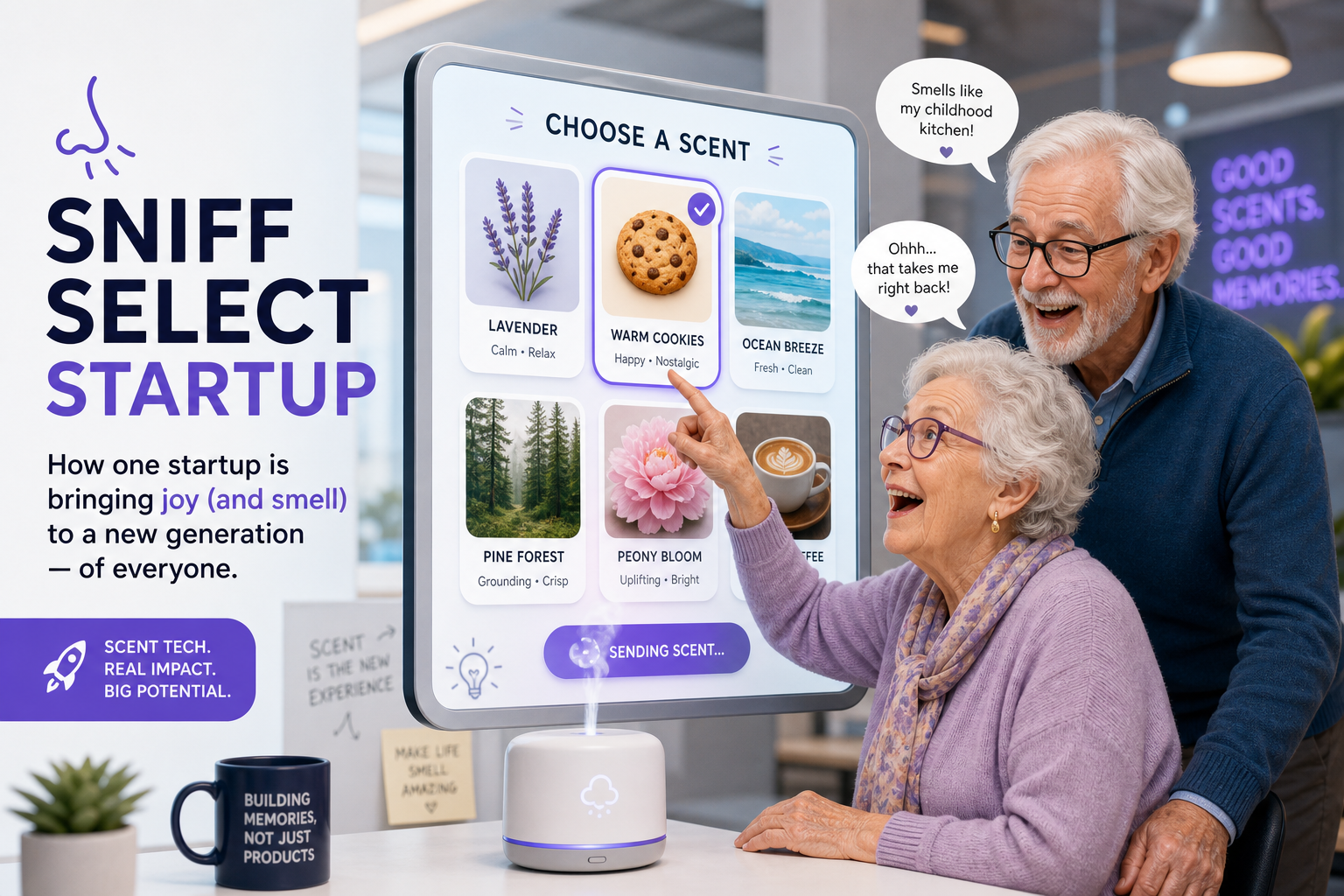
The global fragrance market is projected to reach $45 billion by 2027, driven by increasing consumer demand for personalized and unique scent experiences. The rise of niche brands that leverage technology to create tailored fragrances is a significant trend within this market. Consumers, particularly Millennials and Gen Z, are increasingly seeking products that reflect their individuality and personal stories. This demographic shift is prompting brands to explore innovative ways to engage customers, including the integration of AI and wearable technology.
Business Model Quality: AI-Infused Fragrance Platforms
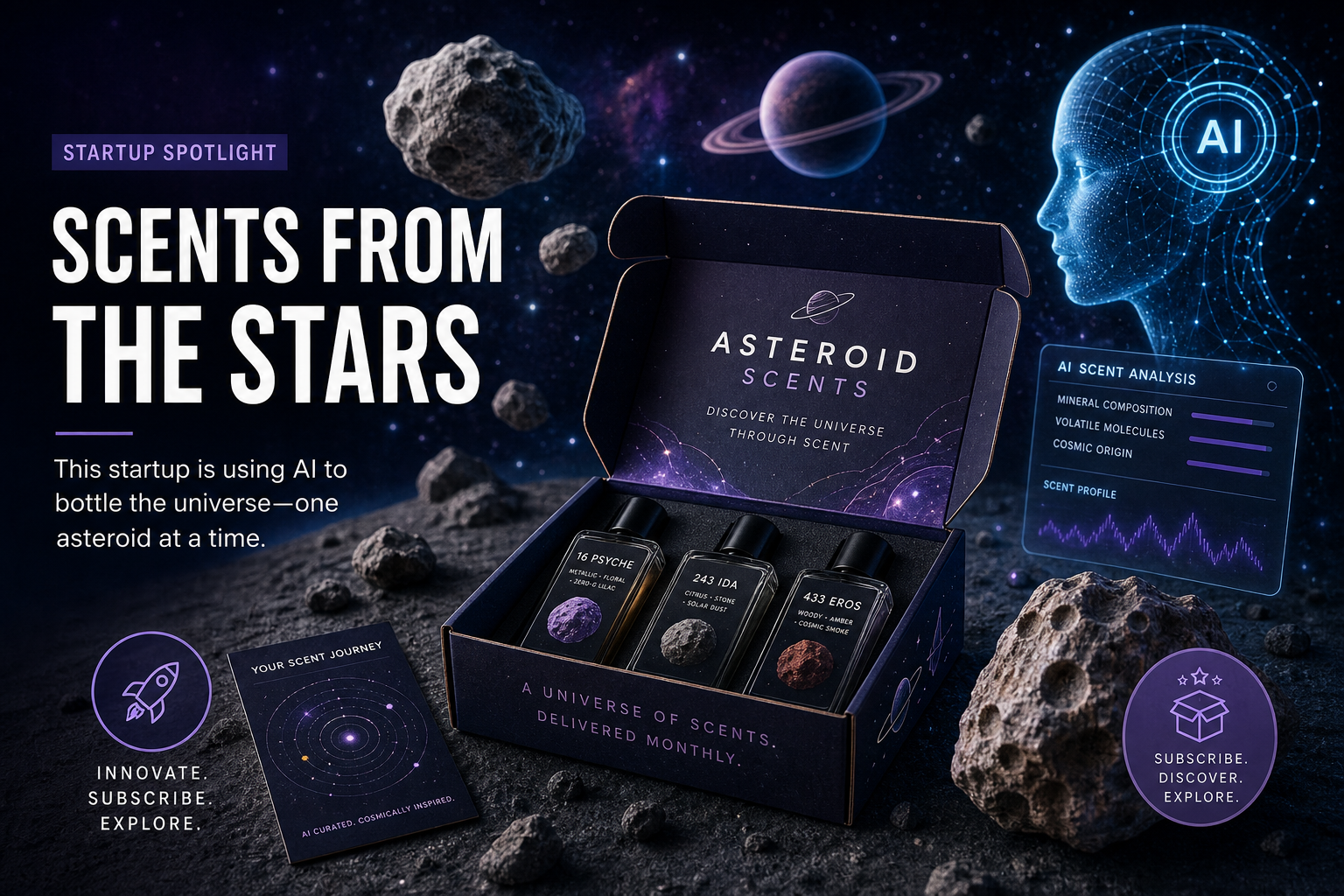
AI-infused fragrance platforms are emerging as a compelling business model within the fragrance industry. These platforms utilize advanced algorithms and memory-recording technology to create bespoke fragrance experiences. By capturing and storing scents encountered throughout the day, these platforms offer users the ability to recreate memorable olfactory experiences. This model not only enhances user engagement but also encourages repeat interactions, which is crucial for long-term customer retention.
Moreover, the democratization of fragrance design through technology allows for greater accessibility. Consumers can participate in the creation of their own scents, fostering a sense of ownership and connection to the product. This shift towards co-creation is a strategic move that aligns with current consumer preferences for personalized experiences.
Adoption Risks: Navigating Consumer Acceptance
While the potential for AI-powered fragrance platforms is significant, there are inherent risks associated with consumer adoption. The fragrance industry is traditionally rooted in emotional connections and nostalgia, making it essential for new technologies to resonate with consumers on a personal level. Educating consumers about the benefits and functionalities of AI in fragrance design will be critical for overcoming skepticism.
Additionally, privacy concerns surrounding data collection and usage may pose challenges. As these platforms often rely on capturing personal scent memories, transparency in data handling practices will be vital to build trust with users. Companies must ensure that they adhere to data protection regulations and communicate their privacy policies clearly to mitigate these risks.
Investor Diligence: Evaluating Market Potential
Investors are increasingly drawn to the fragrance market, particularly as it intersects with technology. The potential for growth in this sector is substantial, given the projected market size and the increasing consumer interest in personalized products. However, investors must conduct thorough due diligence to assess the viability of individual startups within this space.
- Understanding the competitive landscape: Investors should analyze existing players in the AI fragrance market and identify unique value propositions that differentiate new entrants.
- Evaluating technology capabilities: Assessing the robustness of the AI technology and its ability to deliver on the promises made to consumers is crucial for investment decisions.
- Market positioning and scalability: Investors should consider the startup's target demographic and growth potential, particularly in relation to emerging consumer trends.
Founder Strategy: Building a Sustainable Brand
For founders in the AI fragrance space, developing a clear and compelling brand narrative is essential. Successful founders will need to articulate how their technology enhances the fragrance experience and aligns with consumer values. Building partnerships with established fragrance houses or collaborating with influencers can also help in gaining traction and credibility in the market.
Furthermore, founders should prioritize user feedback to refine their offerings continually. Engaging with early adopters and incorporating their insights can lead to product improvements and foster a loyal customer base. A focus on sustainability and ethical sourcing of fragrance ingredients may also resonate well with environmentally conscious consumers, further enhancing brand appeal.
Conclusion
The integration of AI into the fragrance industry presents exciting opportunities for innovation and growth. As the market evolves, businesses that prioritize personalization, transparency, and consumer engagement will be well-positioned to succeed. However, navigating the complexities of consumer acceptance and maintaining investor confidence will require strategic planning and execution.
Editor's note: This is original market analysis and not investment advice.
What's Your Reaction?
 Like
0
Like
0
 Dislike
0
Dislike
0
 Love
0
Love
0
 Funny
0
Funny
0
 Angry
0
Angry
0
 Sad
0
Sad
0
 Wow
0
Wow
0