
The Integration of Emotional Intelligence in Unmanned Retail: Market Analysis
The Integration of Emotional Intelligence in Unmanned Retail: Market Analysis By Startup Korea Research Desk | Apr 13, 2026 The retail landscape is undergoing a significant transformation as technology continues to evolve, particularly in the co...

The Integration of Emotional Intelligence in Unmanned Retail: Market Analysis
By Startup Korea Research Desk | Apr 13, 2026
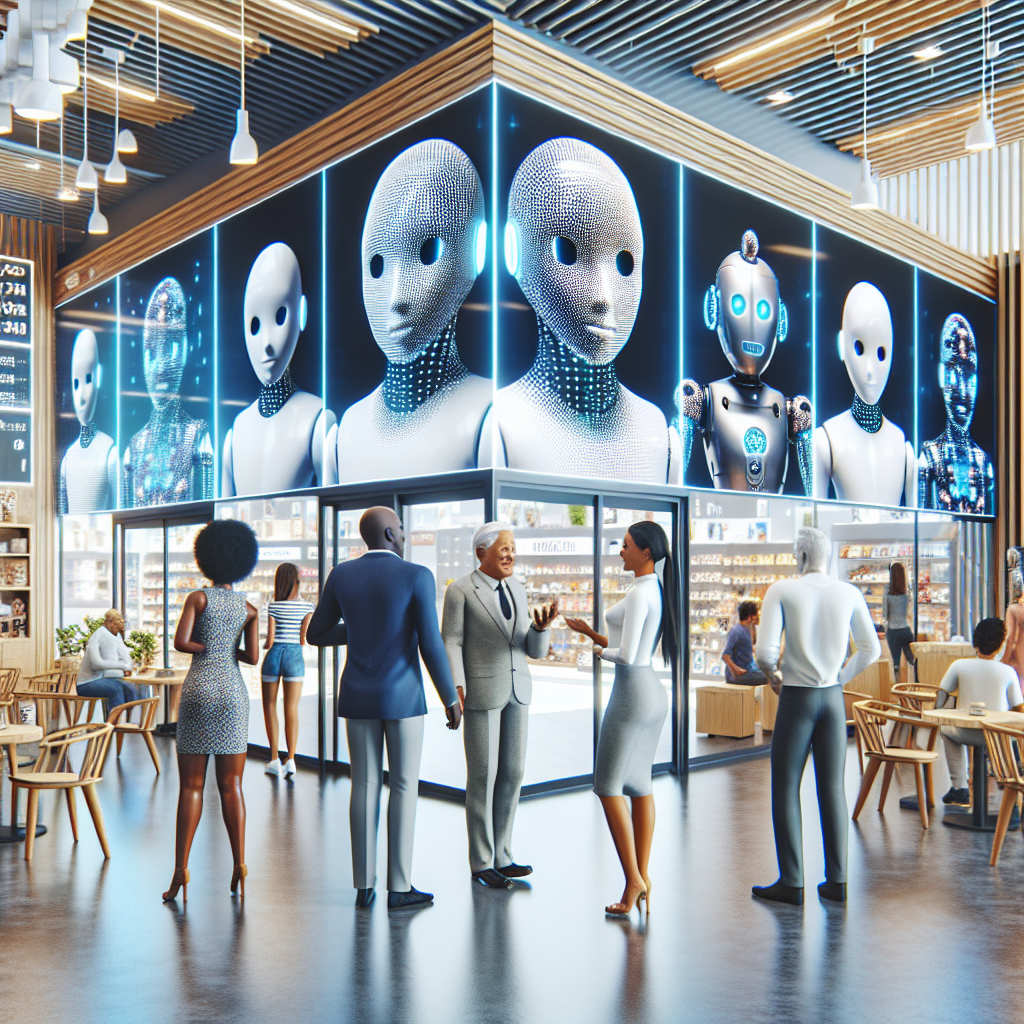
The retail landscape is undergoing a significant transformation as technology continues to evolve, particularly in the context of unmanned stores. A notable trend is the integration of emotional intelligence into automated retail systems, aimed at enhancing consumer interaction and satisfaction. This analysis explores the market dynamics, potential risks, and strategic considerations for startups venturing into this innovative space.
Market Context: The Growth of Unmanned Retail
The unmanned retail market has experienced remarkable growth, with projections indicating a 30% annual increase over the next five years. By 2025, the market is expected to reach a valuation of approximately $25 billion. This growth is largely driven by consumer demand for convenience and efficiency, particularly in the wake of the COVID-19 pandemic, which accelerated the shift towards contactless shopping solutions.
Consumer Experience: The Need for Emotional Engagement
While the rise of unmanned stores offers significant advantages in terms of operational efficiency, the lack of human interaction has created a gap in consumer experience. Traditional automated systems, such as self-checkout machines, often leave customers feeling disconnected and unsatisfied. Recognizing this challenge, startups are exploring ways to infuse emotional intelligence into these systems, aiming to create a more engaging shopping experience.
Business Models: Emotional Intelligence as a Differentiator
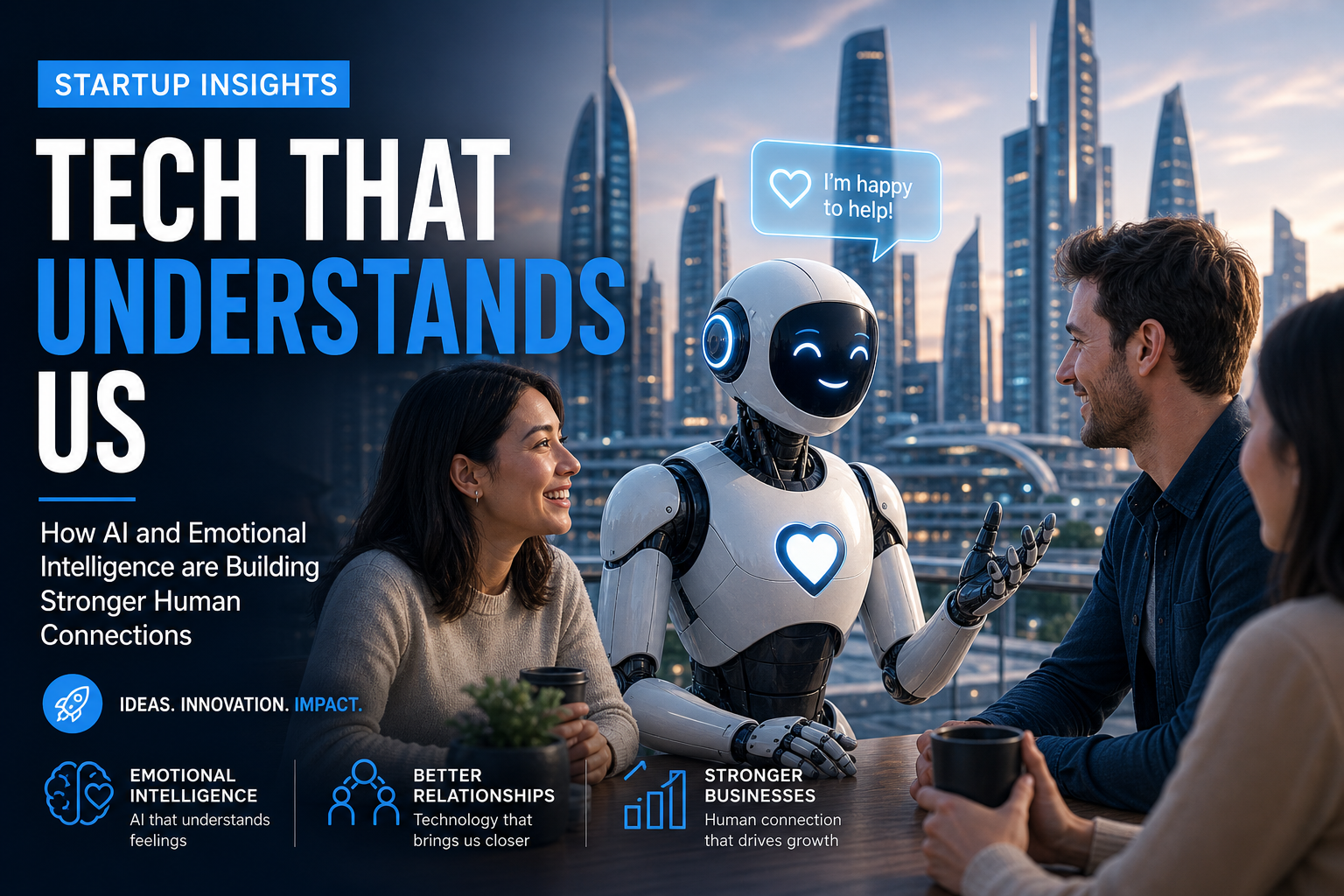
Startups entering the unmanned retail space are adopting innovative business models that leverage technology to enhance emotional engagement. By utilizing advanced algorithms and artificial intelligence, these companies aim to create systems that can recognize and respond to customer emotions, thereby improving overall satisfaction. This approach not only differentiates them from traditional retail models but also positions them to capture a growing segment of consumers who value personalized experiences.
Investment Landscape: Growing Interest from Venture Capitalists
The potential for emotional engagement in unmanned retail has attracted considerable interest from investors. Venture capitalists are increasingly recognizing the market's potential for growth and innovation. The prospect of machines that can simulate human-like interactions presents a unique opportunity for startups to secure funding and scale their operations. However, investors are also exercising diligence, assessing the feasibility and scalability of these emotional intelligence technologies.
Challenges and Risks: Navigating the Path to Emotional Automation
Despite the promising outlook, the integration of emotional intelligence into unmanned retail systems is not without its challenges. Critics question the authenticity of machines attempting to mimic human emotions, raising concerns about the effectiveness of such interactions. Additionally, there are technical hurdles to overcome, including the development of algorithms capable of accurately interpreting and responding to a wide range of human emotions.
Strategic Considerations for Founders
For founders looking to enter the unmanned retail market with a focus on emotional intelligence, several strategic considerations are paramount:
- Technology Development: Invest in research and development to create robust algorithms that can effectively simulate emotional responses.
- Consumer Research: Conduct thorough market research to understand consumer preferences and expectations regarding emotional engagement in retail.
- Partnerships: Consider partnerships with technology firms specializing in AI and machine learning to enhance product offerings.
- Regulatory Compliance: Stay informed about regulations surrounding data privacy and consumer protection, particularly when dealing with AI-driven interactions.
Conclusion: The Future of Unmanned Retail
The integration of emotional intelligence into unmanned retail systems represents a significant evolution in the shopping experience. As consumer expectations continue to shift towards more personalized and engaging interactions, startups that successfully navigate the challenges of this emerging market stand to benefit from substantial growth opportunities. However, it is essential for these companies to remain vigilant about the risks associated with emotional automation and to prioritize consumer trust and satisfaction in their business strategies.
Editor's note: This analysis is original market research and should not be considered investment advice.
What's Your Reaction?
 Like
0
Like
0
 Dislike
0
Dislike
0
 Love
0
Love
0
 Funny
0
Funny
0
 Angry
0
Angry
0
 Sad
0
Sad
0
 Wow
0
Wow
0