

The Future of Solar Insurance: Integrating AI and Biometric Data
The Future of Solar Insurance: Integrating AI and Biometric Data By Startup Korea Research Desk | May 21, 2026 The solar insurance market is undergoing a significant transformation, driven by advancements in artificial intelligence (AI) and inno...

The Future of Solar Insurance: Integrating AI and Biometric Data
By Startup Korea Research Desk | May 21, 2026
The solar insurance market is undergoing a significant transformation, driven by advancements in artificial intelligence (AI) and innovative approaches to risk assessment. As the global emphasis on renewable energy intensifies, the need for effective insurance solutions that can adapt to the unique challenges of solar energy production has never been more critical. This analysis explores the emerging trends in solar insurance, the potential impact of AI and biometric data, and the associated risks and opportunities for investors and founders in this evolving landscape.
Market Overview: Growth and Demand
The global solar insurance market is projected to reach approximately $5.6 billion by 2030, reflecting a robust annual growth rate fueled by increased investment in renewable energy sources. As solar energy adoption accelerates, the complexities surrounding its insurance coverage are becoming more pronounced. Traditional insurance models, which often rely on historical data and generalized weather forecasts, may not adequately address the unique risks associated with solar energy production.
Innovative Approaches: AI and Biometric Integration
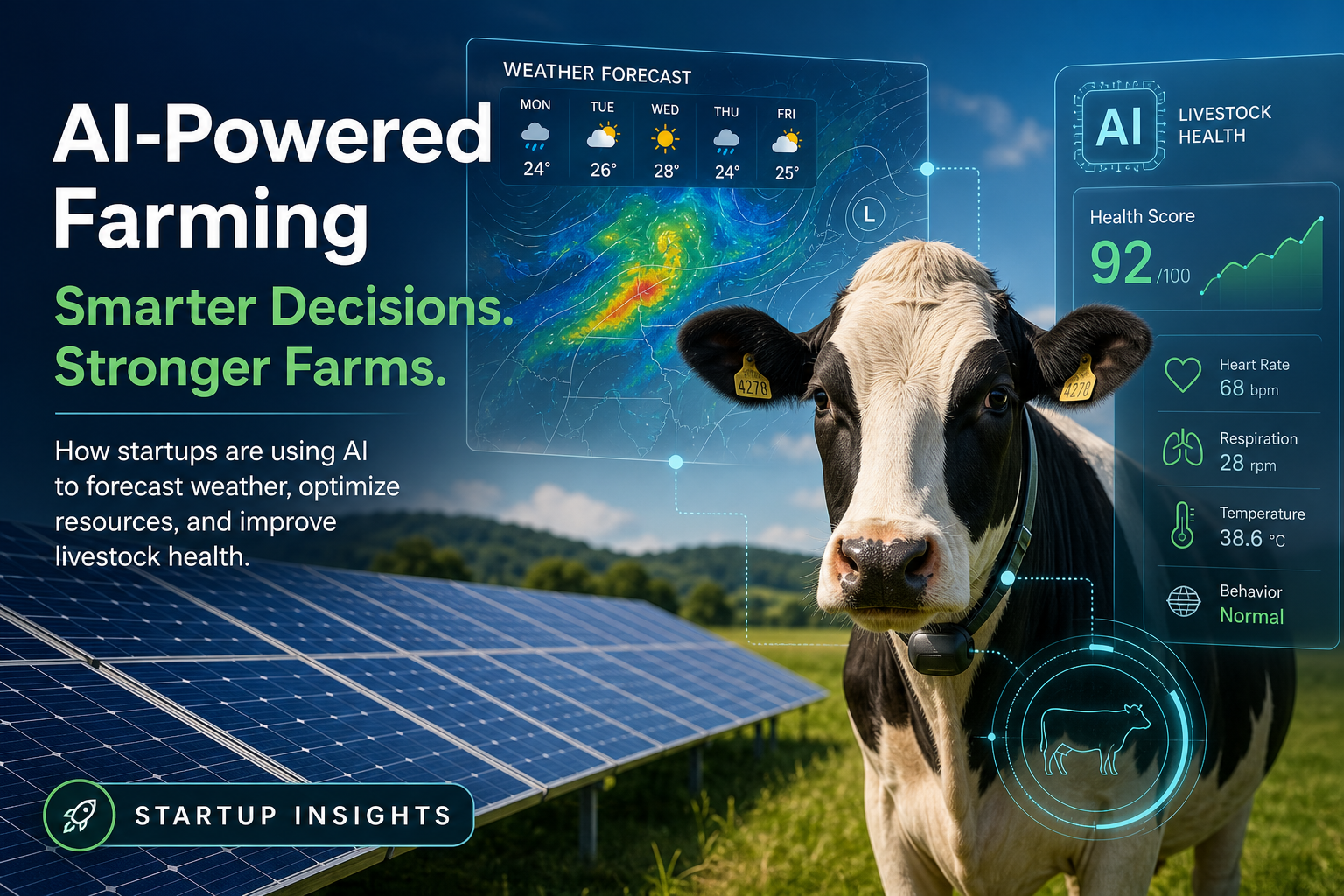
Recent developments in AI and biometric technology are paving the way for innovative insurance products that aim to enhance risk assessment and management. One notable approach involves leveraging biometric data, such as muscle signals from livestock, to predict weather patterns and solar energy production outcomes. While this concept may seem unconventional, it underscores a broader trend toward integrating diverse data sources to improve predictive accuracy in insurance models.
Investment Climate: Opportunities and Challenges
The investment climate for solar insurance is becoming increasingly competitive, with venture capitalists and institutional investors keen to capitalize on the potential of AI-enhanced products. However, the novelty of these approaches raises important questions about their empirical validity and practical application. Investors must conduct thorough due diligence to assess the underlying methodologies and the robustness of the data being utilized.
Adoption Risks: Skepticism and Validation
Despite the promise of innovative insurance solutions, there are inherent risks associated with adopting unproven methodologies. Analysts have expressed skepticism regarding the reliability of using biometric signals as predictors of solar production. The challenge lies in validating these claims through rigorous testing and empirical research. Without a solid foundation of evidence, the market may view such innovations as speculative rather than substantive.
Strategic Considerations for Founders
For founders in the solar insurance space, developing a clear and compelling value proposition is essential. This involves not only demonstrating the effectiveness of new technologies but also addressing the concerns of potential investors and customers. Building partnerships with established players in the renewable energy sector can enhance credibility and facilitate market entry. Additionally, founders should prioritize transparency in their methodologies to foster trust and mitigate skepticism.
Conclusion: Navigating the Future of Solar Insurance
The intersection of AI, biometric technology, and solar insurance presents a unique opportunity for innovation in a rapidly evolving market. As the demand for renewable energy solutions continues to grow, so too does the need for effective risk management strategies. While the integration of unconventional data sources may offer new insights, it is crucial for stakeholders to approach these developments with a balanced perspective, weighing the potential benefits against the inherent risks.
Editor's note: This analysis is original market research and does not constitute investment advice. Stakeholders should conduct their own research and consult with financial advisors before making investment decisions.
What's Your Reaction?
 Like
0
Like
0
 Dislike
0
Dislike
0
 Love
0
Love
0
 Funny
0
Funny
0
 Angry
0
Angry
0
 Sad
0
Sad
0
 Wow
0
Wow
0