

The Future of Retail: AI-Driven Pop-Up Stores and Predictive Consumer Analytics
The Future of Retail: AI-Driven Pop-Up Stores and Predictive Consumer Analytics By Startup Korea Research Desk | May 16, 2026 The retail landscape is undergoing a significant transformation as artificial intelligence (AI) technologies increasing...

The Future of Retail: AI-Driven Pop-Up Stores and Predictive Consumer Analytics
By Startup Korea Research Desk | May 16, 2026
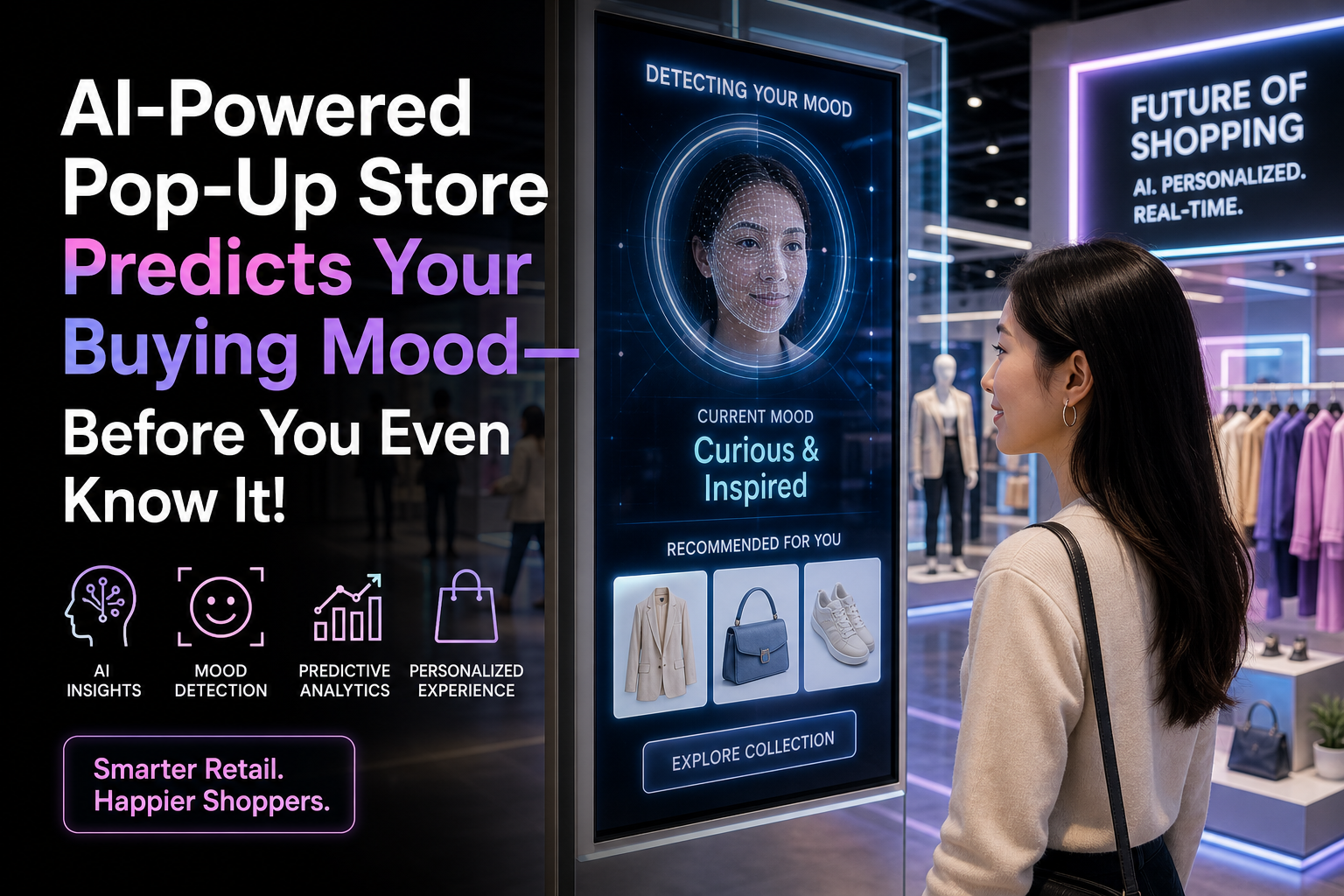
The retail landscape is undergoing a significant transformation as artificial intelligence (AI) technologies increasingly integrate into consumer shopping experiences. One of the most intriguing developments in this space is the emergence of AI-powered pop-up stores that leverage predictive analytics to tailor shopping experiences based on consumers' emotional states. This analysis explores the potential of this innovative approach, the market trends driving its adoption, and the challenges and considerations for investors and founders alike.
The Intersection of Emotion and Commerce
At the core of AI-driven pop-up stores is the concept of emotional analytics. By utilizing facial recognition and machine learning algorithms, these stores can assess a shopper's emotional state upon entry. This capability allows retailers to adjust their marketing strategies in real-time, offering personalized promotions or product recommendations that align with the consumer's mood. Such a strategy aims to enhance customer engagement and drive sales by creating a more intuitive shopping experience.
Market Potential and Growth Trends
The global pop-up store market is projected to grow significantly, with estimates suggesting an increase from $10 billion in 2022 to $20 billion by 2027. This growth is driven by consumer preferences for unique and temporary shopping experiences, with 78% of shoppers expressing enjoyment for pop-up formats. Furthermore, the emotional AI market is expected to reach a valuation of $40 billion by 2025, indicating robust interest and investment potential in this sector.
Investor Interest and Market Dynamics
The convergence of AI and retail has attracted considerable attention from investors, eager to capitalize on the potential for enhanced consumer insights and sales optimization. Venture capitalists are increasingly viewing these AI-driven initiatives not merely as retail innovations but as experiments in behavioral science that could yield valuable data on consumer preferences and emotional responses. This perspective underscores the importance of thorough due diligence for investors, as the success of these ventures hinges on both technological efficacy and consumer acceptance.
Challenges and Ethical Considerations
Despite the promising outlook, the integration of emotional AI in retail raises several ethical concerns. Critics highlight the potential for privacy violations and the manipulation of consumer behavior through targeted marketing based on emotional states. This necessitates a careful approach to data collection and usage, ensuring compliance with privacy regulations and maintaining consumer trust. Founders and startups must navigate these challenges while developing their business models, balancing innovation with ethical responsibility.
Strategic Considerations for Founders
For entrepreneurs venturing into the AI-driven retail space, several strategic considerations are paramount:
- Technology Development: Investing in robust AI technology that accurately interprets emotional data is crucial. Founders should prioritize partnerships with technology providers and focus on continuous improvement of their algorithms.
- Consumer Education: As emotional AI is a relatively new concept, educating consumers about its benefits and addressing privacy concerns will be essential for adoption.
- Market Positioning: Differentiating their offerings in a competitive market will require innovative marketing strategies that resonate with target demographics.
- Regulatory Compliance: Staying informed about evolving regulations surrounding data privacy and consumer protection will be critical to mitigate legal risks.
Conclusion
The integration of AI into pop-up retail stores represents a significant shift in how businesses engage with consumers. By leveraging predictive analytics to tailor shopping experiences, retailers can potentially enhance customer satisfaction and drive sales. However, the success of these initiatives will depend on addressing ethical concerns, ensuring regulatory compliance, and maintaining consumer trust. As the market for AI-driven retail solutions continues to evolve, both investors and founders must remain vigilant and adaptable in navigating this dynamic landscape.
Editor's note: This article is original market analysis and not investment advice.
What's Your Reaction?
 Like
0
Like
0
 Dislike
0
Dislike
0
 Love
0
Love
0
 Funny
0
Funny
0
 Angry
0
Angry
0
 Sad
0
Sad
0
 Wow
0
Wow
0