
The Future of Meal Planning: Analyzing the Intersection of Technology and Nutrition
The Future of Meal Planning: Analyzing the Intersection of Technology and Nutrition By Startup Korea Research Desk | Apr 08, 2026 The food technology sector is undergoing significant transformation as startups explore innovative solutions to mee...


The Future of Meal Planning: Analyzing the Intersection of Technology and Nutrition
By Startup Korea Research Desk | Apr 08, 2026
The food technology sector is undergoing significant transformation as startups explore innovative solutions to meet the evolving demands of consumers. One of the most intriguing developments is the emergence of platforms that integrate advanced technology with personalized dietary planning. This analysis delves into the current trends in meal planning technology, the potential risks associated with adoption, and the implications for investors and founders in this burgeoning market.
Emerging Trends in Meal Planning Technology
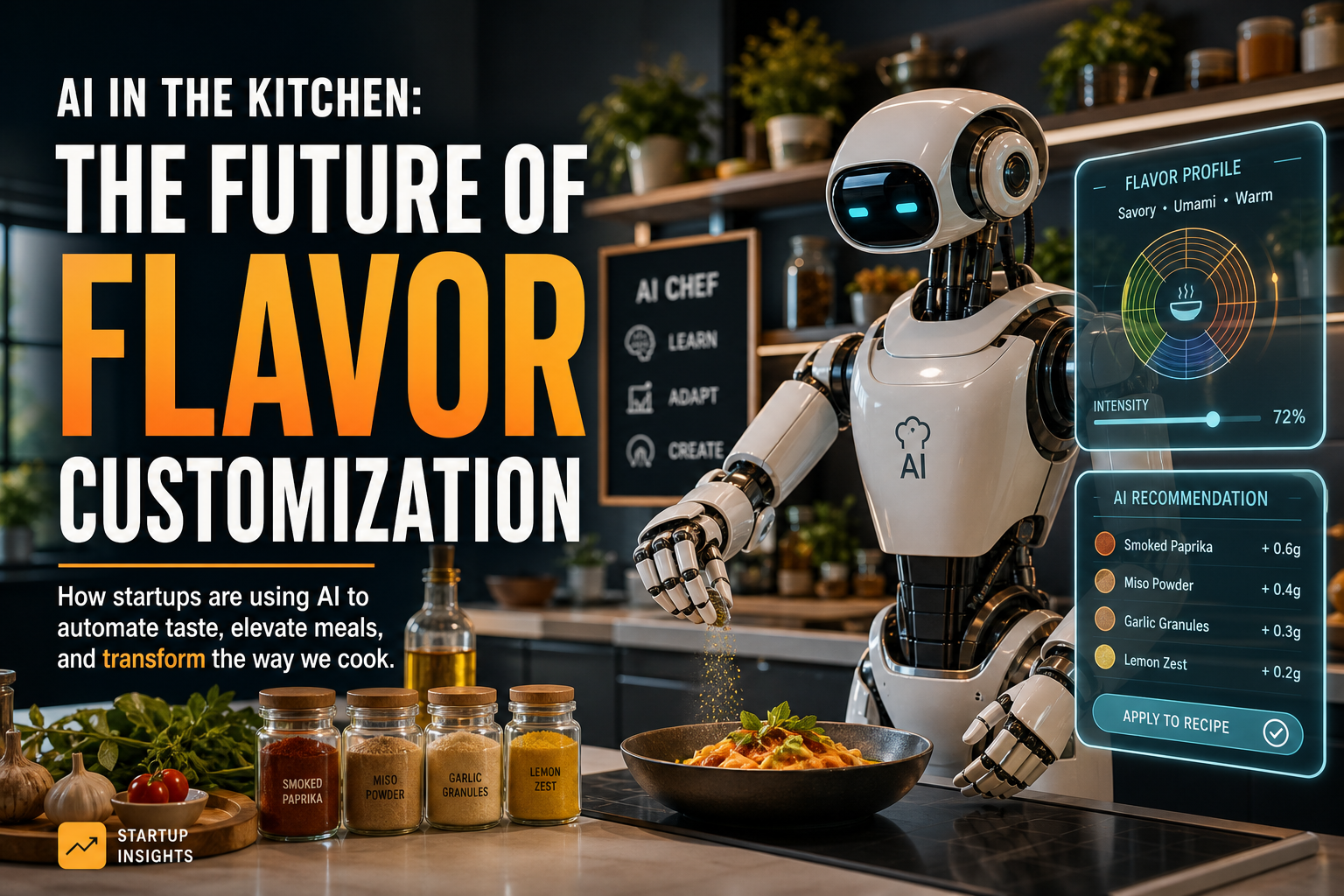
As consumers increasingly prioritize health and convenience, the demand for personalized meal planning solutions has surged. Startups are leveraging data analytics, artificial intelligence, and even holographic technology to create immersive experiences that cater to individual dietary preferences. The concept of a holographic marketplace for meal planning, while ambitious, reflects a broader trend towards integrating technology into everyday cooking and eating habits.
Recent reports indicate that the global food tech market is projected to reach $300 billion by 2028, driven by innovations that enhance user experience and streamline meal preparation. This growth is fueled by a shift in consumer behavior, particularly following the pandemic, which has heightened awareness of health and nutrition. As a result, startups that can effectively combine culinary expertise with technological advancements are well-positioned to capture market share.
Business Model Viability and Quality
The viability of a startup's business model in the food tech space hinges on its ability to deliver value to consumers while maintaining operational efficiency. Platforms that offer personalized meal planning must not only provide accurate dietary recommendations but also ensure that these solutions are user-friendly and accessible. The integration of interactive features, such as holographic displays, may enhance user engagement, but it also raises questions about the practicality and scalability of such technology.
- User Engagement: Engaging users through innovative interfaces can lead to higher retention rates, but the technology must be intuitive.
- Data Privacy: With the collection of personal dietary data, startups must prioritize user privacy and data security to build trust.
- Market Differentiation: As competition intensifies, startups need to clearly differentiate their offerings from existing solutions to attract and retain customers.
Adoption Risks and Consumer Behavior
While the potential for growth in the food tech sector is substantial, there are inherent risks associated with consumer adoption of new technologies. Many consumers may be hesitant to embrace platforms that rely on advanced technology, particularly if they perceive them as overly complex or unnecessary. The challenge for startups lies in educating consumers about the benefits of these innovations while addressing any concerns they may have regarding usability and effectiveness.
Moreover, the success of such platforms will depend on their ability to adapt to diverse dietary needs and preferences. A one-size-fits-all approach is unlikely to resonate with consumers who seek tailored solutions. Startups must invest in research and development to ensure their offerings are inclusive and cater to a wide range of dietary requirements.
Investor Diligence and Market Opportunities
For investors, the food tech sector presents a compelling opportunity, but due diligence is essential. Understanding the competitive landscape, assessing the scalability of a startup's technology, and evaluating the founding team's expertise are critical factors in making informed investment decisions. Investors should also consider the startup's long-term vision and its ability to adapt to changing market dynamics.
As the market evolves, opportunities may arise for partnerships with established food brands, health organizations, and technology firms. Collaborations can enhance credibility and expand market reach, allowing startups to leverage existing networks and resources.
Strategic Considerations for Founders
Founders in the food tech space must adopt a strategic approach to navigate the complexities of the market. This includes:
- Building a Strong Brand: Establishing a recognizable brand that resonates with consumers is crucial for differentiation.
- Fostering Community Engagement: Engaging with users through feedback and community-building initiatives can enhance loyalty and inform product development.
- Staying Agile: The ability to pivot in response to market feedback and emerging trends will be vital for long-term success.
In conclusion, the intersection of technology and nutrition presents exciting opportunities for innovation in meal planning. As startups continue to explore new ways to enhance the dining experience, the focus must remain on delivering value to consumers while addressing the challenges associated with adoption and market competition.
Editor's note: This is original market analysis and not investment advice.
What's Your Reaction?
 Like
0
Like
0
 Dislike
0
Dislike
0
 Love
0
Love
0
 Funny
0
Funny
0
 Angry
0
Angry
0
 Sad
0
Sad
0
 Wow
0
Wow
0