

The Future of Influencer Fraud Detection: Analyzing AI-Powered Verification Platforms
The Future of Influencer Fraud Detection: Analyzing AI-Powered Verification Platforms By Startup Korea Research Desk | May 02, 2026 The influencer marketing landscape has experienced rapid growth, currently valued at approximately $16.4 billion....

The Future of Influencer Fraud Detection: Analyzing AI-Powered Verification Platforms
By Startup Korea Research Desk | May 02, 2026
The influencer marketing landscape has experienced rapid growth, currently valued at approximately $16.4 billion. However, this burgeoning industry is not without its challenges, particularly concerning the integrity of influencer collaborations. As skepticism surrounding these partnerships rises, the emergence of AI-powered verification platforms presents both opportunities and challenges for stakeholders in the influencer ecosystem.
Understanding the Scope of Influencer Fraud
Reports indicate that nearly $1 billion could be lost to fraudulent collaborations in the influencer marketing sector this year alone. This alarming figure highlights the urgent need for effective solutions to combat fraud and restore trust among brands, influencers, and consumers. The rise of influencer fraud has prompted startups to develop innovative technologies aimed at verifying the authenticity of influencer partnerships.
AI Technology as a Solution
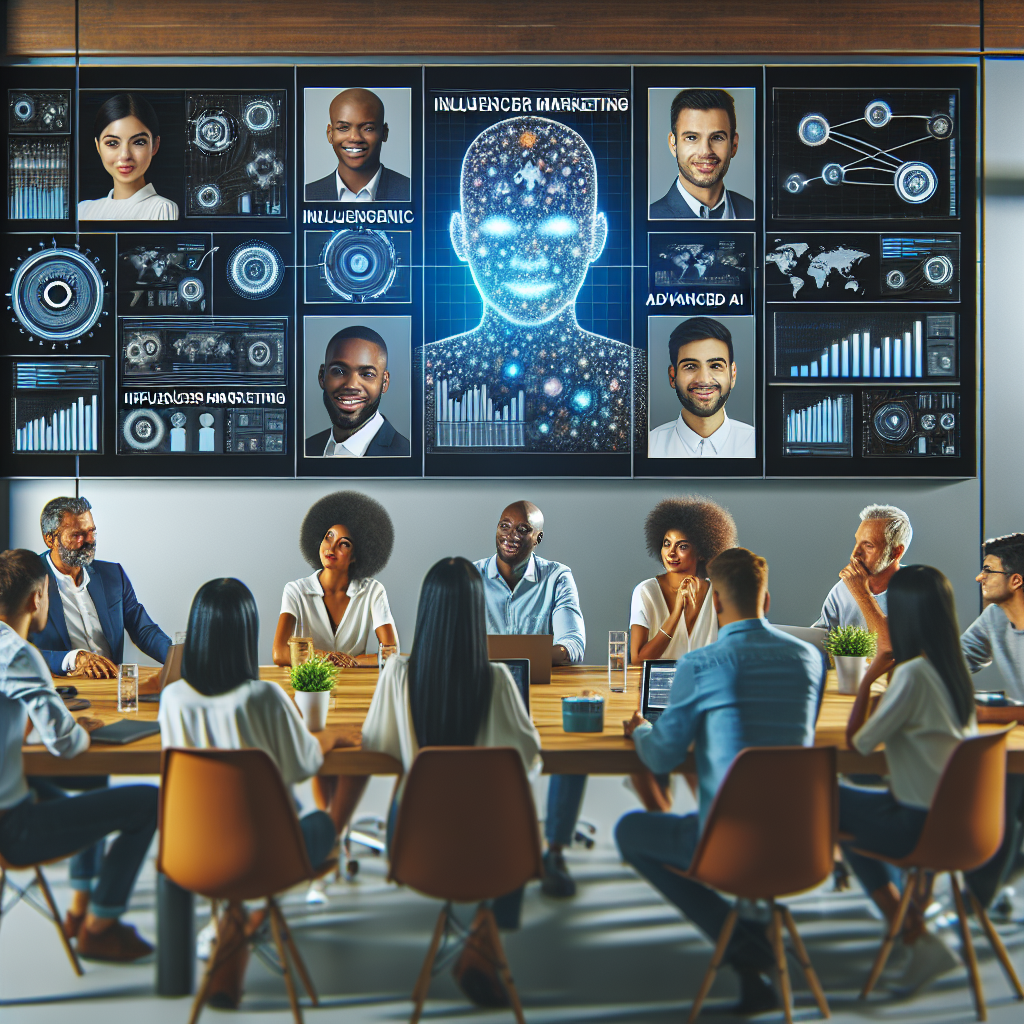
One notable development in this space is the introduction of platforms that utilize advanced AI technology to assess the credibility of influencers. These platforms often employ emotional analysis tools to detect inconsistencies in vocal cues during collaboration pitches. By analyzing these subtle signals, the technology aims to identify potential deception and enhance the vetting process for brands seeking partnerships with influencers.
Market Trends and Adoption Risks
While the potential benefits of AI-driven fraud detection are significant, the adoption of such technologies is not without risks. Industry analysts express concerns regarding the reliance on algorithms to interpret emotional cues. The effectiveness of these tools hinges on their ability to accurately assess human emotions, which can be complex and context-dependent. Furthermore, the introduction of AI in this domain raises ethical questions about privacy and the potential for misuse.
Investor Interest and Market Viability
Despite the challenges, investor interest in startups focused on influencer fraud detection remains robust. The lucrative market for fraud prevention solutions has attracted significant funding, as investors recognize the potential for high returns in a sector plagued by inefficiencies. However, due diligence is essential for investors, as the success of these startups will depend on their ability to deliver reliable and effective solutions that address the root causes of influencer fraud.
Strategic Considerations for Founders
For founders operating in this space, developing a clear and transparent business model is crucial. Establishing credibility with both brands and influencers will be key to gaining traction in a competitive market. Additionally, founders must navigate the ethical implications of their technology, ensuring that their solutions respect user privacy and adhere to industry regulations.
The Path Forward
As the influencer marketing industry continues to evolve, the demand for effective fraud detection solutions will likely grow. Startups that can successfully leverage AI technology to provide accurate and ethical verification processes will be well-positioned to capitalize on this trend. However, the road ahead will require careful consideration of the complexities involved in emotional analysis and the broader implications for the influencer ecosystem.
In conclusion, while AI-powered verification platforms hold promise for enhancing trust in influencer collaborations, stakeholders must remain vigilant about the potential risks and ethical considerations associated with these technologies. The future of influencer fraud detection will depend on the ability of startups to innovate responsibly and deliver solutions that truly address the challenges faced by the industry.
Editor's note: This article provides original market analysis and is not intended as investment advice.
What's Your Reaction?
 Like
0
Like
0
 Dislike
0
Dislike
0
 Love
0
Love
0
 Funny
0
Funny
0
 Angry
0
Angry
0
 Sad
0
Sad
0
 Wow
0
Wow
0