
The Emotional Engagement Revolution in Fast Food: Market Analysis
The Emotional Engagement Revolution in Fast Food: Market Analysis By Startup Korea Research Desk | May 03, 2026 The fast food industry is undergoing a significant transformation, moving beyond traditional culinary experiences to embrace emotiona...

The Emotional Engagement Revolution in Fast Food: Market Analysis
By Startup Korea Research Desk | May 03, 2026
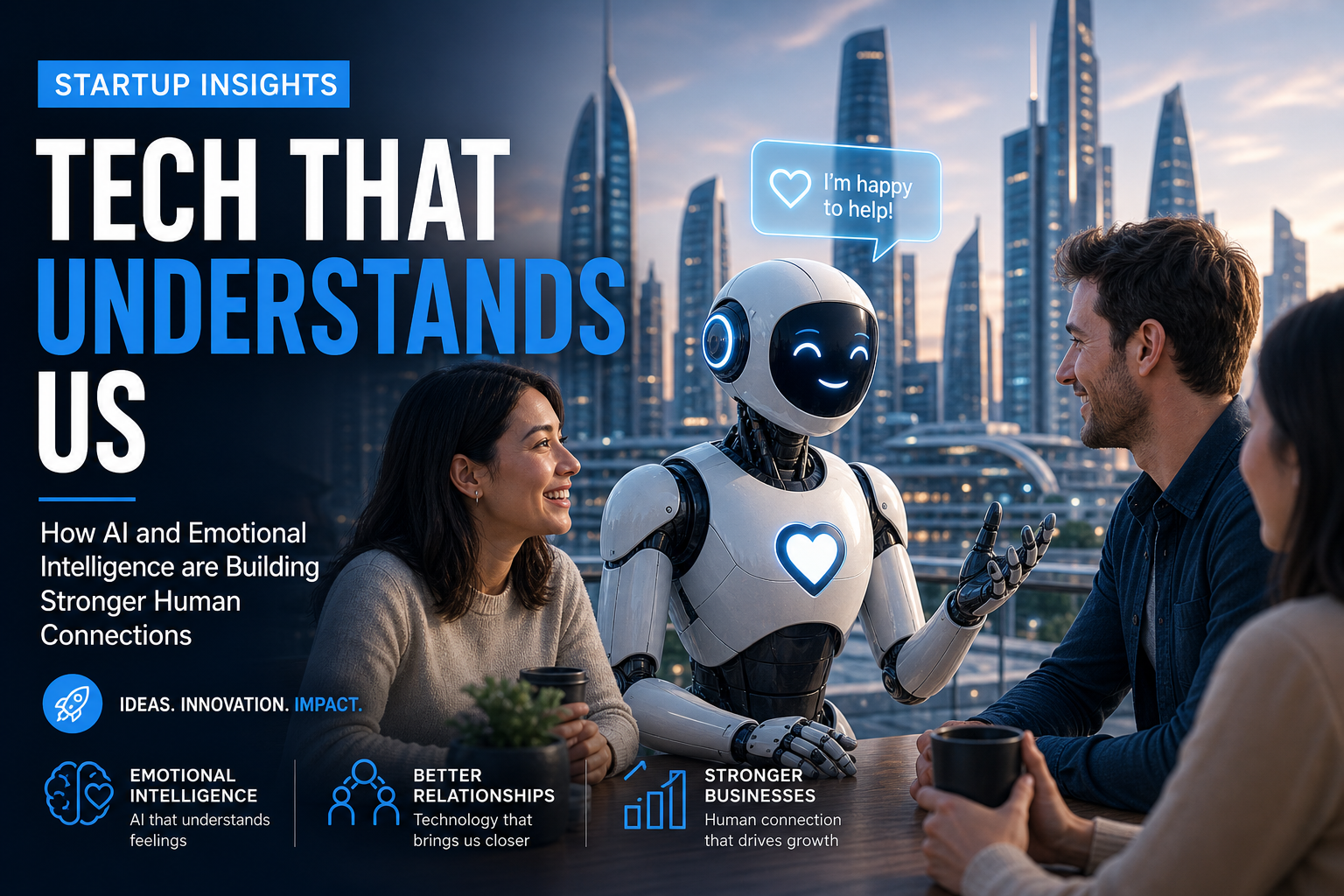
The fast food industry is undergoing a significant transformation, moving beyond traditional culinary experiences to embrace emotional engagement as a core component of consumer interaction. This shift is exemplified by the emergence of startups focusing on integrating emotional intelligence into their business models, which is reshaping how consumers perceive and interact with food services.
Market Trends: The Rise of Emotional Capital
The emotional intelligence sector is projected to reach $200 billion by 2030, indicating a robust market potential for businesses that can successfully tap into consumer emotions. Investors are increasingly recognizing the value of emotional capital, viewing it as a critical asset that can enhance customer loyalty and drive sales. Startups that leverage emotional engagement strategies are not only attracting significant funding but are also setting new standards for consumer experiences.
Innovative Business Models
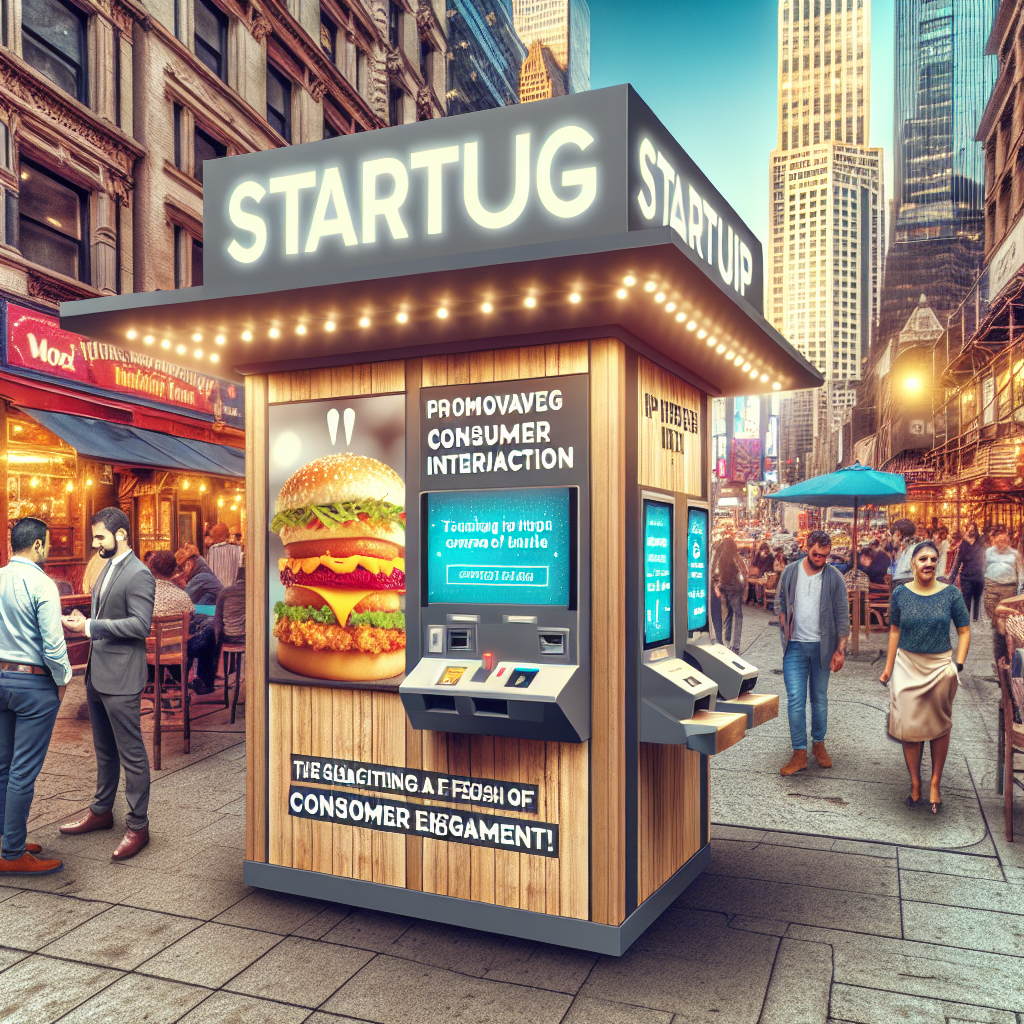
One notable example is the introduction of interactive kiosks designed to gauge and respond to customer emotions. These kiosks utilize advanced technology to create personalized experiences, allowing consumers to engage with food offerings in a way that resonates with their current emotional state. This approach diverges from traditional fast food models, which primarily focus on speed and convenience.
- Personalization: By tailoring offerings based on emotional feedback, businesses can create a more meaningful connection with customers.
- Enhanced Experience: Emotional engagement transforms the act of purchasing food into a sensory experience, potentially increasing customer satisfaction.
- Data Utilization: Startups are leveraging data analytics to understand consumer behavior better, allowing for more targeted marketing strategies.
Adoption Risks and Challenges
Despite the promising outlook, the integration of emotional engagement in fast food is not without its challenges. Traditional fast food chains are facing pressure to adapt, with some experiencing declines in customer traffic as they attempt to incorporate emotional elements into their services. For instance, a recent initiative by a major fast food chain to implement emotion-reading technology in drive-thrus reportedly alienated customers who preferred a straightforward transaction.
Moreover, the reliance on technology raises concerns about data security and privacy. Startups must ensure that customer emotional data is protected from cyber threats, as breaches could undermine consumer trust and damage brand reputation. The implementation of robust cybersecurity measures, such as firmware over-the-air (OTA) updates, is essential to safeguard sensitive information.
Investor Diligence and Market Viability
For investors, the emotional engagement trend presents both opportunities and risks. Diligence is crucial when evaluating startups in this space. Key considerations include:
- Market Fit: Assessing whether the emotional engagement model aligns with consumer preferences and behaviors.
- Scalability: Understanding the potential for growth and whether the technology can be effectively scaled across different markets.
- Competitive Landscape: Analyzing the competitive environment and identifying unique value propositions that differentiate the startup from established players.
Founder Strategy: Navigating the New Landscape
Founders entering this evolving market must adopt strategies that emphasize innovation while remaining adaptable to consumer feedback. Building a brand that resonates emotionally with consumers requires a deep understanding of their needs and preferences. Additionally, fostering partnerships with technology providers can enhance the capabilities of emotional engagement platforms, ensuring that offerings remain cutting-edge.
In conclusion, the fast food industry is on the brink of a significant evolution driven by emotional engagement. Startups that successfully navigate the complexities of this market can unlock new revenue streams and foster deeper connections with consumers. However, the path forward is fraught with challenges that require careful consideration and strategic planning.
Editor's note: This article presents original market analysis and should not be considered investment advice.
What's Your Reaction?
 Like
0
Like
0
 Dislike
0
Dislike
0
 Love
0
Love
0
 Funny
0
Funny
0
 Angry
0
Angry
0
 Sad
0
Sad
0
 Wow
0
Wow
0