

The Emergence of Food Nostalgia Restoration Services: Market Trends and Investment Insights
By Startup Korea Research Desk | May 07, 2026 The food technology sector is witnessing a notable trend as startups focus on leveraging artificial intelligence (AI) to evoke culinary nostalgia. Recently, a collection of these startups has attract...


By Startup Korea Research Desk | May 07, 2026
The food technology sector is witnessing a notable trend as startups focus on leveraging artificial intelligence (AI) to evoke culinary nostalgia. Recently, a collection of these startups has attracted approximately $300 million in investments aimed at developing services that aim to rekindle fond memories associated with food. This analysis explores the market dynamics, potential risks, and the strategic approaches that founders are adopting in this emerging niche.
Market Dynamics: The Intersection of Technology and Culinary Experience
The concept of Food Nostalgia Restoration Services (FNRS) is rooted in the growing consumer demand for immersive dining experiences. Recent market research indicates that the food-tech sector is expanding at an annual growth rate of 18%, driven by a shift in consumer preferences towards experiences that evoke emotional connections. Notably, around 65% of millennials express a desire for nostalgic culinary experiences, suggesting a significant market opportunity for businesses that can successfully tap into these sentiments.
Investment Landscape: A Surge in Funding
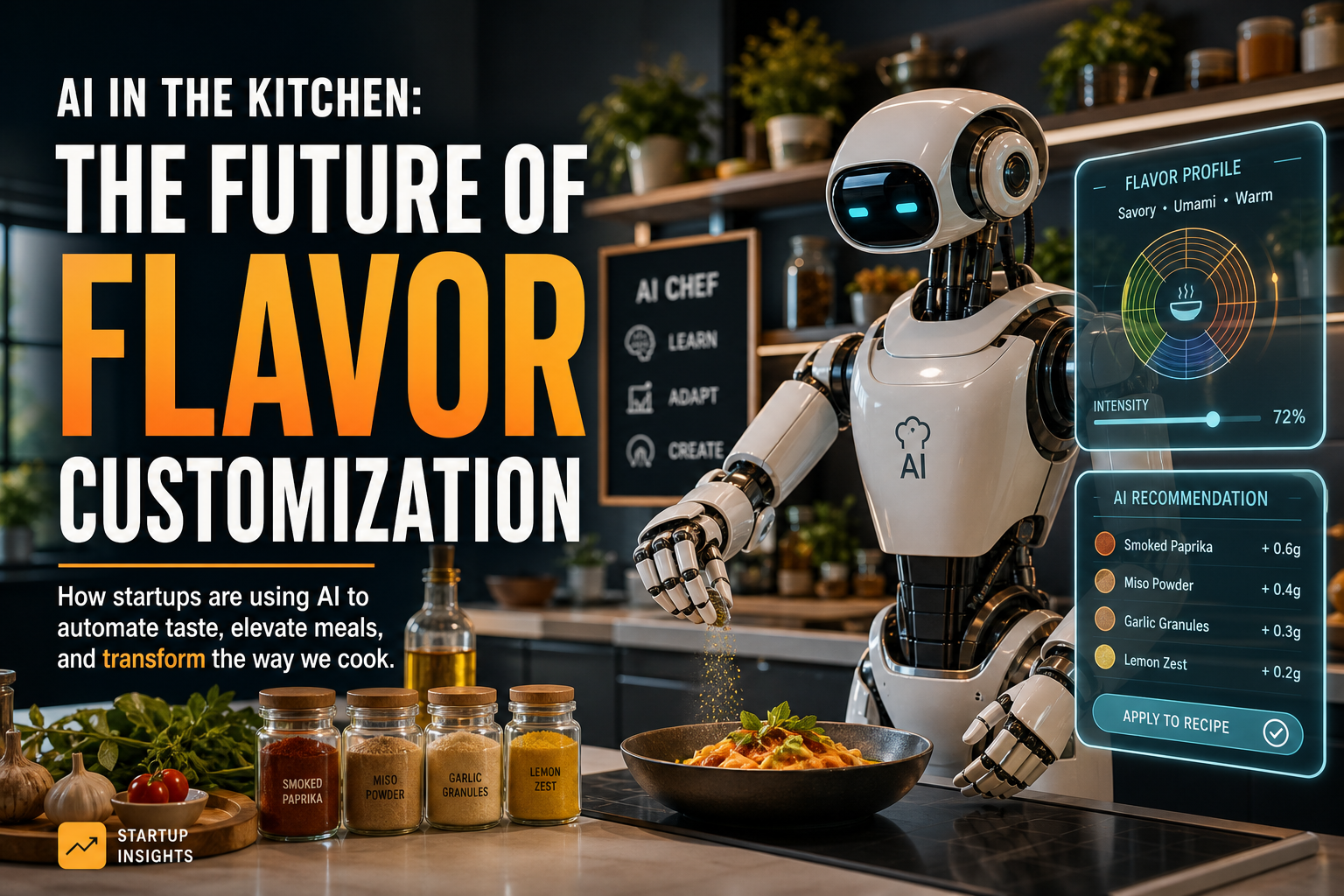
The influx of $300 million in funding highlights investor confidence in the potential of FNRS. This funding is indicative of a broader trend where venture capitalists are increasingly willing to invest in innovative food-tech solutions that combine technology with emotional engagement. Investors are particularly attracted to startups that utilize advanced algorithms to analyze flavor profiles and sensory experiences, aiming to recreate dishes that resonate with consumers on a personal level.
Business Model Quality: Balancing Innovation with Feasibility
Startups in this space are developing business models that focus on the intersection of technology and culinary arts. By employing AI to analyze historical data on food preferences and sensory experiences, these companies aim to recreate dishes that evoke nostalgia. However, the challenge lies in balancing innovation with feasibility. The technology must not only be capable of replicating flavors but also resonate with consumers' memories, which can be subjective and varied.
Adoption Risks: The Subjectivity of Nostalgia
Despite the promising market potential, there are inherent risks associated with nostalgia-driven culinary experiences. Critics argue that the subjective nature of memory poses a significant challenge. What one individual may remember fondly, another may not appreciate. This variability raises questions about the scalability of such services. As Bob Contrarian, a food industry analyst, points out, “Nostalgia is a fickle beast. One person’s delightful trip down memory lane could be another’s culinary horror story.” Startups must navigate these subjective experiences carefully to avoid alienating potential customers.
Strategic Approaches: Founder Insights and Market Positioning
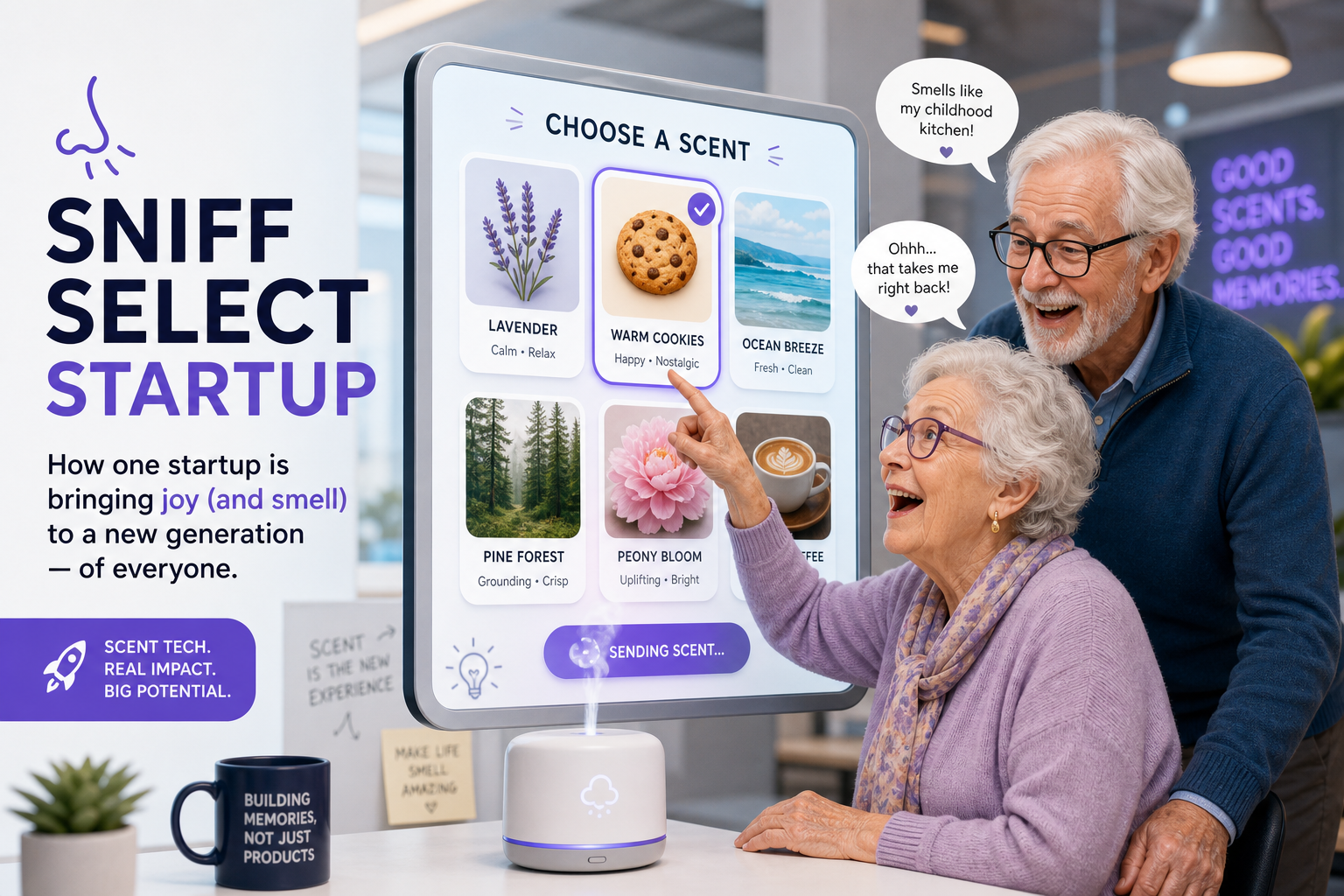
Founders in the FNRS space are adopting various strategies to enhance their market positioning. A key focus is on building a strong brand narrative that resonates with consumers’ emotional ties to food. By emphasizing storytelling in their marketing, these startups aim to create a connection that goes beyond mere taste. Moreover, partnerships with culinary experts and historians can lend credibility to their offerings, enhancing consumer trust and interest.
Future Outlook: Trends to Watch
As the food-tech sector continues to evolve, several trends are likely to shape the future of FNRS. The integration of AI with personalized dining experiences will become increasingly sophisticated, allowing for tailored offerings that cater to individual preferences. Additionally, as consumer awareness of sustainability grows, startups may need to consider the environmental impact of their sourcing and production methods.
Furthermore, the potential for collaboration with established food brands could provide startups with the necessary resources and market access to scale their operations. As the landscape becomes more competitive, those who can effectively differentiate their services through unique value propositions will likely succeed.
Conclusion
The emergence of Food Nostalgia Restoration Services represents an intriguing intersection of technology and culinary experience. While the market presents significant opportunities for innovation and emotional engagement, startups must navigate the complexities of consumer sentiment and memory. As this sector develops, ongoing investor diligence and strategic positioning will be crucial for long-term success.
Editor's note: This is original market analysis and not investment advice.
What's Your Reaction?
 Like
0
Like
0
 Dislike
0
Dislike
0
 Love
0
Love
0
 Funny
0
Funny
0
 Angry
0
Angry
0
 Sad
0
Sad
0
 Wow
0
Wow
0