



The Emergence of Conflict-Resolution Algorithms in Business Decision-Making
The Emergence of Conflict-Resolution Algorithms in Business Decision-Making By Startup Korea Research Desk | Apr 07, 2026 In recent years, the integration of technology into business operations has transformed traditional decision-making process...

The Emergence of Conflict-Resolution Algorithms in Business Decision-Making
By Startup Korea Research Desk | Apr 07, 2026
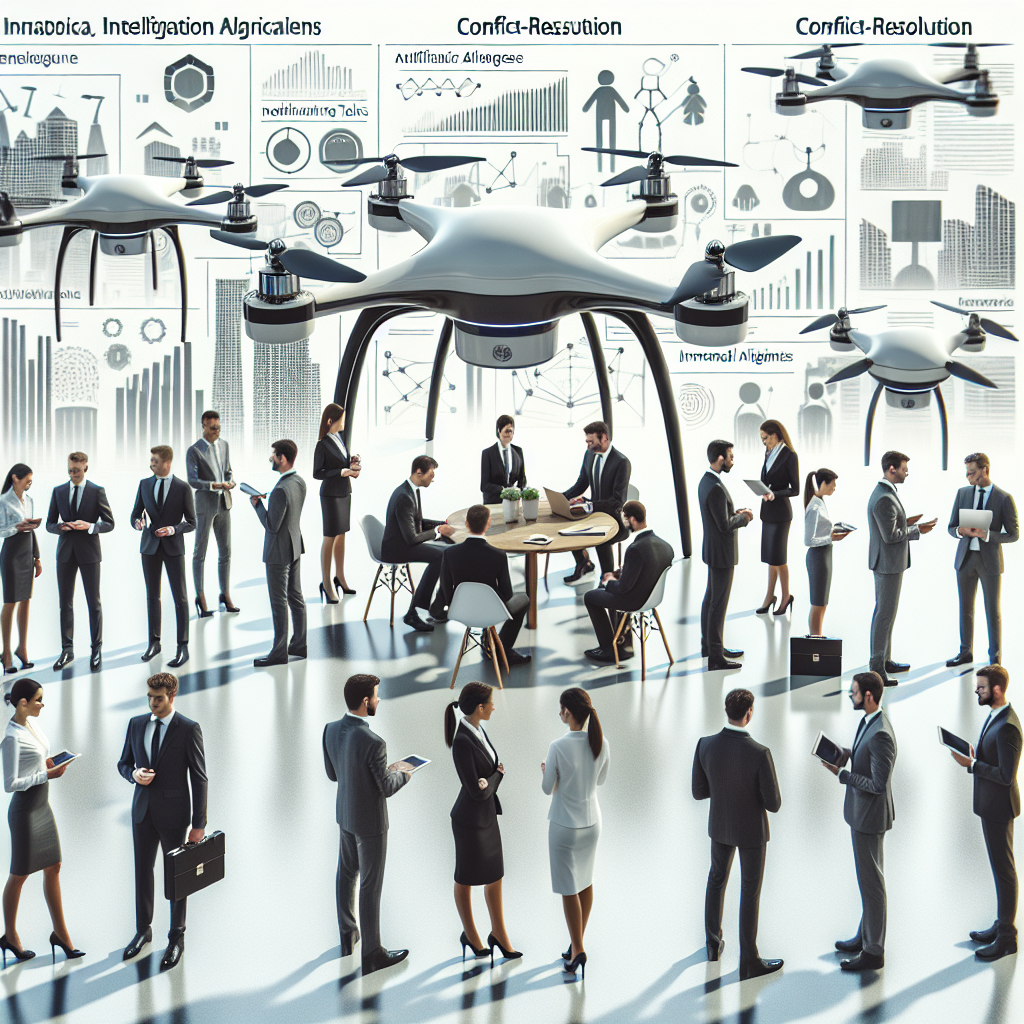
In recent years, the integration of technology into business operations has transformed traditional decision-making processes. A notable trend is the development of conflict-resolution algorithms, particularly those utilizing autonomous systems like drones. These innovations aim to streamline decision-making in environments where competing priorities can lead to inefficiencies and tensions.
Understanding Conflict-Resolution Algorithms
Conflict-resolution algorithms are designed to analyze competing business priorities and facilitate decision-making in a way that minimizes human bias and emotional interference. By leveraging advanced algorithms, companies can automate the process of prioritizing tasks, allocating resources, and managing conflicts. This approach not only enhances efficiency but also aims to create a more objective framework for decision-making.
Market Trends and Growth Potential
The market for conflict-resolution algorithms is projected to experience significant growth, with estimates indicating an annual increase of over 25%. As organizations increasingly seek to optimize their operations, the demand for automated solutions that can handle complex decision-making scenarios is likely to rise. This trend reflects a broader shift towards automation in various aspects of business management, where technology is seen as a means to enhance productivity and reduce human error.
Investor Interest and Market Viability
Investor interest in startups focusing on conflict-resolution algorithms has surged, as evidenced by substantial funding rounds for emerging companies in this space. The appeal lies in the potential for these technologies to revolutionize how businesses operate, particularly in high-stakes environments where quick and effective decision-making is crucial. However, investors must exercise diligence, carefully evaluating the viability of these technologies and their practical applications in real-world scenarios.
Challenges and Adoption Risks
Despite the promising outlook, the adoption of conflict-resolution algorithms is not without challenges. Organizations may face resistance from employees who are accustomed to traditional decision-making processes. Additionally, there are concerns regarding the reliability of algorithms in complex and nuanced situations that require human judgment. Companies must address these concerns through effective change management strategies and by ensuring that employees understand the benefits of integrating such technologies into their workflows.
Strategic Considerations for Founders
For founders in this emerging sector, it is essential to develop a clear value proposition that resonates with potential clients. Demonstrating the effectiveness of conflict-resolution algorithms in real-world applications can help build credibility and attract interest from both customers and investors. Furthermore, founders should prioritize user experience, ensuring that their solutions are intuitive and easy to integrate into existing business processes.
The Future of Decision-Making in Business
The rise of conflict-resolution algorithms represents a significant shift in how businesses approach decision-making. As organizations continue to embrace technology, the potential for these algorithms to enhance operational efficiency and reduce conflicts will likely drive further innovation in this space. However, the successful implementation of such technologies will depend on a careful balance between automation and human oversight.
In conclusion, the emergence of conflict-resolution algorithms signifies a transformative phase in business decision-making. While the potential benefits are substantial, organizations must navigate the associated challenges and risks to fully realize the advantages of these technologies.
Editor's note: This article represents original market analysis and is not intended as investment advice.
What's Your Reaction?
 Like
0
Like
0
 Dislike
0
Dislike
0
 Love
0
Love
0
 Funny
0
Funny
0
 Angry
0
Angry
0
 Sad
0
Sad
0
 Wow
0
Wow
0