



The Emergence of AI in Relationship Management: Market Trends and Investment Insights
The Emergence of AI in Relationship Management: Market Trends and Investment Insights By Startup Korea Research Desk | May 12, 2026 As the divorce rate in the United States remains high, hovering between 40% and 50%, the intersection of technolo...


The Emergence of AI in Relationship Management: Market Trends and Investment Insights
By Startup Korea Research Desk | May 12, 2026
As the divorce rate in the United States remains high, hovering between 40% and 50%, the intersection of technology and personal relationships is becoming an increasingly relevant topic. Recent developments in the startup ecosystem have introduced innovative solutions aimed at addressing relationship challenges through artificial intelligence (AI). This analysis delves into the current market trends, the viability of business models in this sector, and the implications for investors and founders.
Market Overview: The Rise of Marriage Technology
The marriage technology sector is projected to reach a market size of approximately $10 billion by 2028. This growth is driven by a combination of societal changes, increased acceptance of technology in personal lives, and the ongoing demand for solutions that enhance relationship dynamics. Startups in this space are leveraging AI to offer various services, from compatibility assessments to real-time communication analysis.
Business Models and Technology Adoption
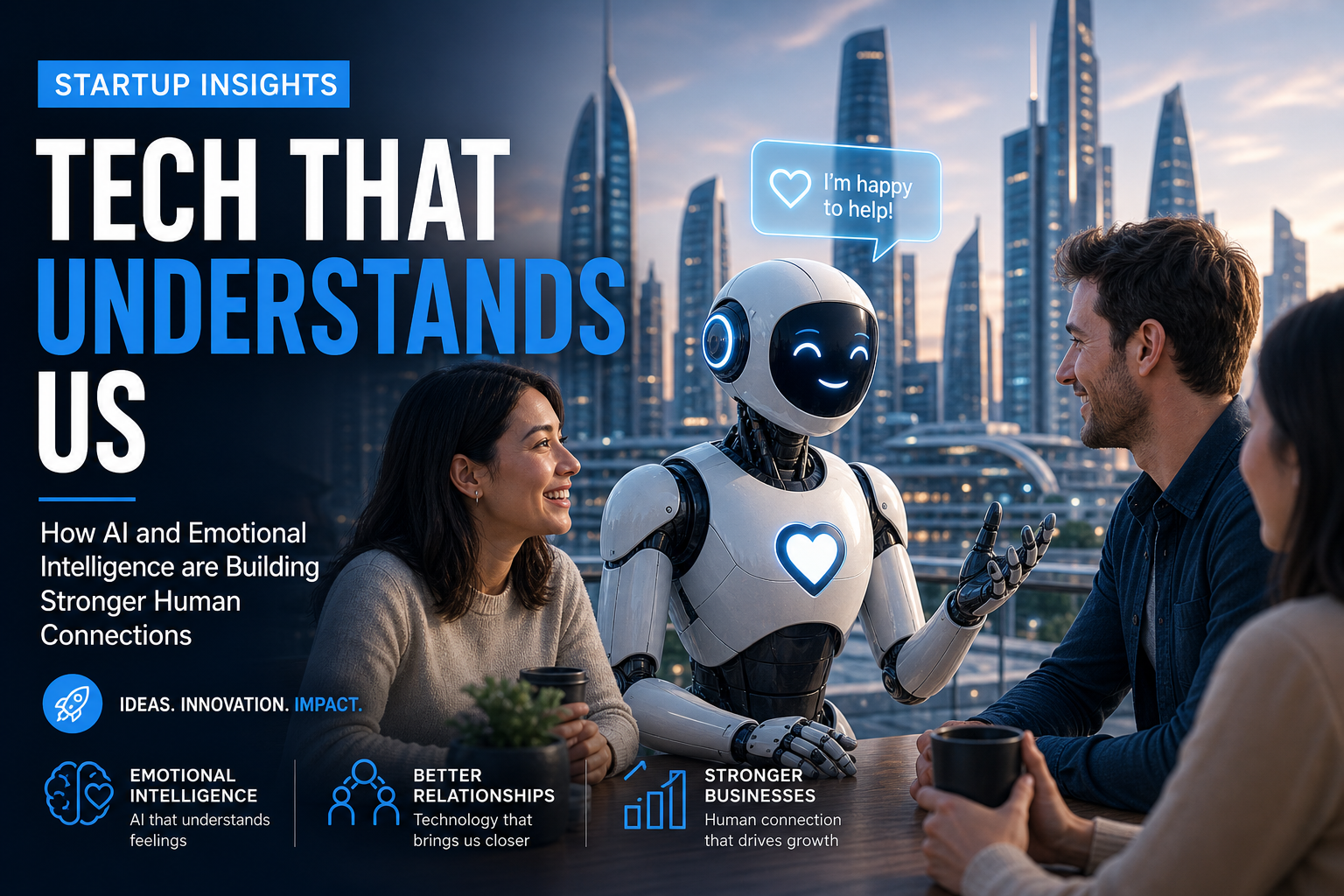
One of the most compelling business models emerging in this sector involves AI-driven platforms that analyze communication patterns between partners. These technologies aim to identify negative interaction patterns and provide actionable insights to improve communication. For instance, a platform may utilize natural language processing to detect emotionally charged language and suggest alternative phrases to mitigate conflict.
While the concept is innovative, the adoption of such technologies is not without risks. Couples may be hesitant to integrate AI into their personal lives, viewing it as intrusive or questioning its effectiveness. Additionally, the success of these platforms hinges on their ability to deliver meaningful insights without oversimplifying the complexities of human relationships.
Investor Sentiment and Funding Landscape
The funding landscape for marriage technology startups has seen significant interest from venture capitalists and tech investors. The recent pre-IPO funding rounds for companies in this space have raised substantial capital, indicating strong investor confidence in the potential for growth. However, this enthusiasm must be tempered with due diligence, as the market is still in its infancy and the long-term viability of these business models remains uncertain.
Investors are increasingly aware that while the technology may provide valuable tools for couples, the emotional nuances of relationships cannot be fully captured by algorithms. This raises important questions about the scalability and sustainability of AI-driven solutions in the relationship management market.
Challenges and Considerations for Founders
For founders in the marriage technology sector, several strategic considerations must be addressed. First, understanding the target audience is crucial. Founders must recognize that potential users may have varying levels of comfort with technology and differing expectations regarding its role in their relationships.
Moreover, founders should focus on building trust with users. Transparency about how data is collected and used, as well as the limitations of AI in understanding human emotions, will be essential in fostering user confidence. Additionally, creating a user-friendly interface that enhances rather than complicates communication will be vital for adoption.
Future Outlook: Navigating the Intersection of Technology and Emotion
The future of marriage technology will likely involve a blend of AI and human expertise. While AI can provide valuable insights, the role of trained professionals, such as therapists and relationship coaches, will remain important. Startups that can effectively integrate these elements may find a competitive advantage in the market.
As the sector evolves, ongoing research and development will be critical to refine AI algorithms and ensure they are responsive to the complexities of human relationships. Collaboration with social scientists and psychologists may enhance the credibility and effectiveness of these technologies.
Conclusion
The marriage technology market presents a unique opportunity for innovation, driven by the need for effective relationship management solutions. However, both investors and founders must navigate the complexities of human emotions and the limitations of technology. As the landscape continues to develop, a balanced approach that respects the intricacies of personal relationships while leveraging AI's capabilities will be essential for success.
Editor's note: This analysis is original market research and should not be considered investment advice.
What's Your Reaction?
 Like
0
Like
0
 Dislike
0
Dislike
0
 Love
0
Love
0
 Funny
0
Funny
0
 Angry
0
Angry
0
 Sad
0
Sad
0
 Wow
0
Wow
0