
The Emergence of AI-Driven Interview Coaching and Autonomous Collaboration Robots in the Job Market
The Emergence of AI-Driven Interview Coaching and Autonomous Collaboration Robots in the Job Market By Startup Korea Research Desk | Apr 25, 2026 The landscape of hiring and employment is undergoing a significant transformation, driven by advanc...

The Emergence of AI-Driven Interview Coaching and Autonomous Collaboration Robots in the Job Market
By Startup Korea Research Desk | Apr 25, 2026
The landscape of hiring and employment is undergoing a significant transformation, driven by advancements in artificial intelligence (AI) and robotics. A recent funding round has highlighted this trend, with a startup securing $80 million to develop an AI-powered interview coaching system and an autonomous collaboration robot. This investment not only underscores the potential of these technologies but also raises questions about their implications for the future of work.
Innovative Business Models in Recruitment
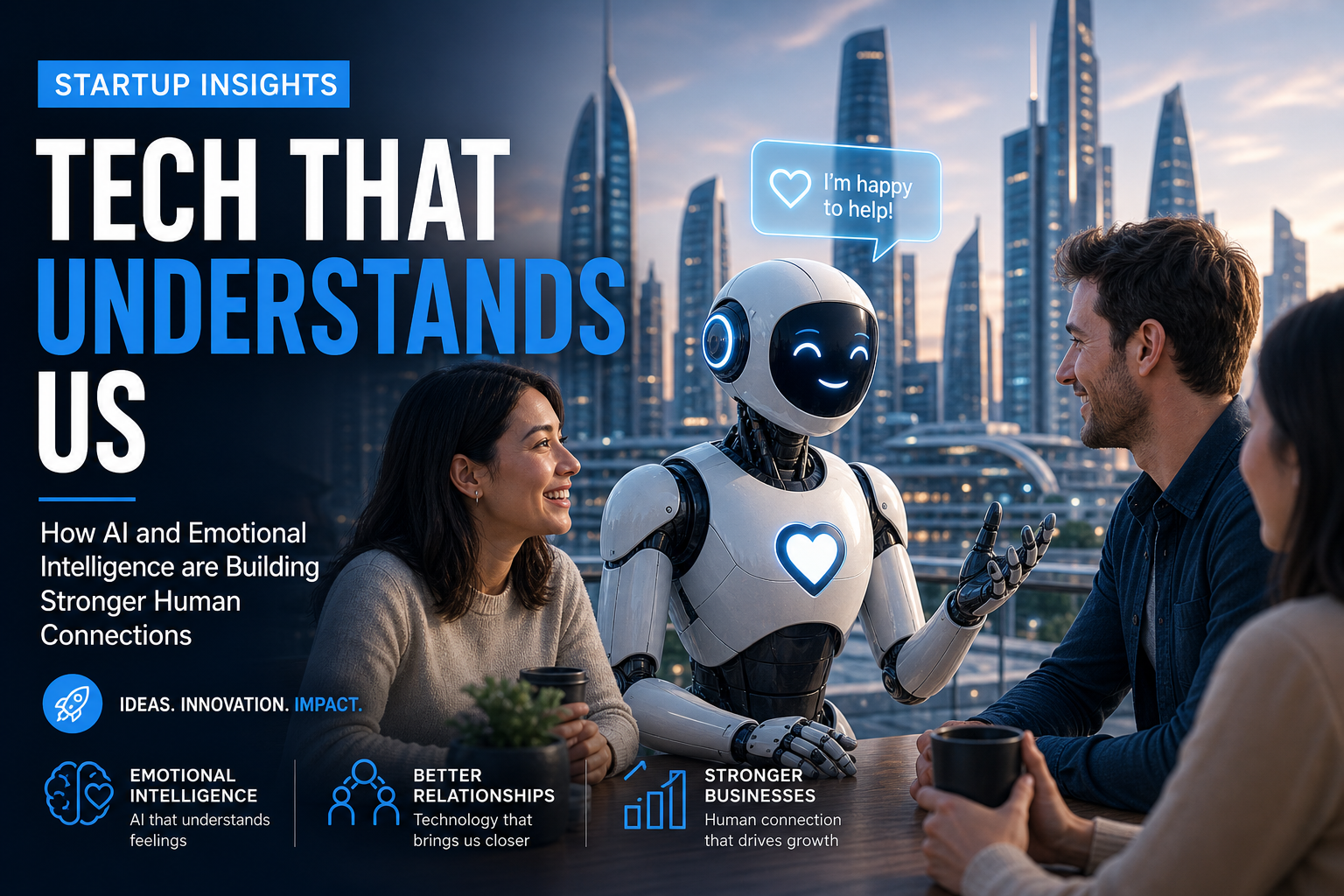
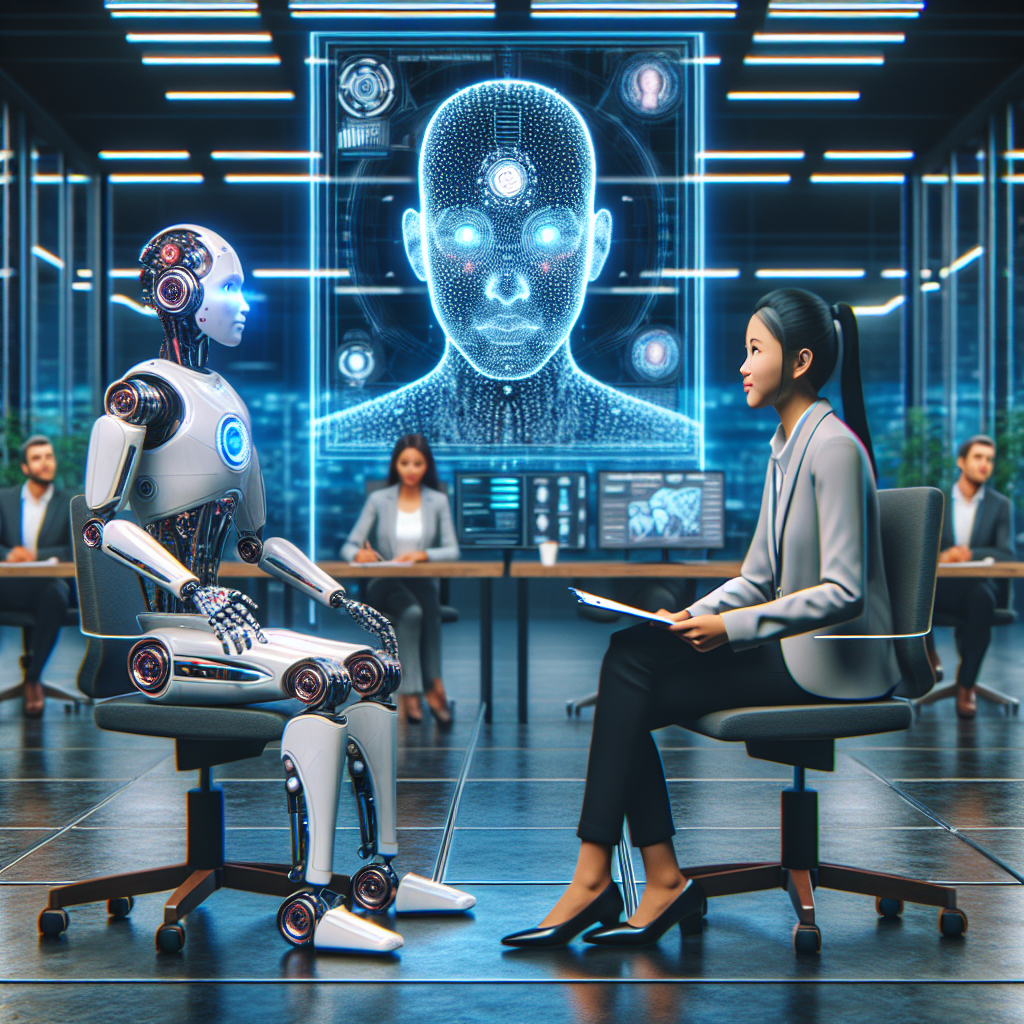
The startup in question has introduced a novel approach to the hiring process by integrating facial recognition technology with robotics. The core offering is a digital coach that analyzes candidates' non-verbal cues during simulated interviews with a lifelike robot. This dual functionality aims to assist companies in identifying suitable candidates while simultaneously preparing job seekers for the challenges of corporate interviews.
This innovative business model reflects a broader trend in the recruitment industry, where technology is increasingly being leveraged to enhance efficiency and effectiveness. By automating aspects of the interview process, companies can potentially reduce biases and improve the overall candidate experience.
Market Trends and Growth Potential
The global market for AI in human resources is projected to experience substantial growth, with estimates suggesting an increase from approximately $1.5 billion in 2022 to around $6 billion by 2028. This growth is driven by the rising demand for technology solutions that streamline hiring processes and enhance decision-making.
As organizations face a competitive labor market, the ability to quickly and accurately assess candidates is becoming paramount. AI-driven tools that can analyze non-verbal cues during interviews may provide a competitive edge, enabling companies to make more informed hiring decisions.
Adoption Risks and Challenges
Despite the promising potential of AI-driven interview coaching and collaboration robots, there are several adoption risks that organizations must consider. One significant concern is the accuracy and reliability of AI algorithms in interpreting human emotions. Misinterpretations could lead to flawed hiring decisions, which may ultimately harm both candidates and organizations.
Moreover, the integration of such technologies into existing HR processes may face resistance from employees who are accustomed to traditional interview methods. Organizations must invest in change management strategies to ensure a smooth transition and to foster acceptance among stakeholders.
Investor Diligence and Market Viability
Investors are increasingly drawn to startups that demonstrate innovative solutions in the employment technology sector. However, due diligence is essential to assess the viability of these business models. Key considerations include the startup's technological capabilities, market positioning, and the scalability of their solutions.
As the market for AI in recruitment continues to evolve, investors will need to evaluate not only the immediate potential of these technologies but also their long-term sustainability. The ability to adapt to changing market dynamics and regulatory environments will be critical for the success of such ventures.
Strategic Considerations for Founders
For founders in the employment technology space, developing a clear value proposition is crucial. Understanding the specific pain points faced by HR professionals and job seekers can guide product development and marketing strategies. Additionally, fostering partnerships with established players in the HR industry may enhance credibility and facilitate market entry.
Moreover, founders should prioritize transparency in their algorithms and processes to build trust with users. As concerns about data privacy and ethical AI usage grow, addressing these issues proactively can differentiate a startup in a crowded market.
Conclusion
The rise of AI-driven interview coaching and autonomous collaboration robots represents a significant shift in the hiring landscape. As investments in this sector continue to grow, organizations must carefully navigate the associated risks and challenges. By embracing innovation while remaining mindful of ethical considerations, companies can harness the potential of these technologies to enhance their recruitment processes.
Editor's note: This article is original market analysis and does not constitute investment advice.
What's Your Reaction?
 Like
0
Like
0
 Dislike
0
Dislike
0
 Love
0
Love
0
 Funny
0
Funny
0
 Angry
0
Angry
0
 Sad
0
Sad
0
 Wow
0
Wow
0