


Navigating the Intersection of Technology and Social Skills: Market Insights
By Startup Korea Research Desk | Apr 21, 2026 The integration of technology into everyday social interactions is an emerging trend that reflects broader shifts in consumer behavior and market dynamics. As society grapples with the implications o...

By Startup Korea Research Desk | Apr 21, 2026
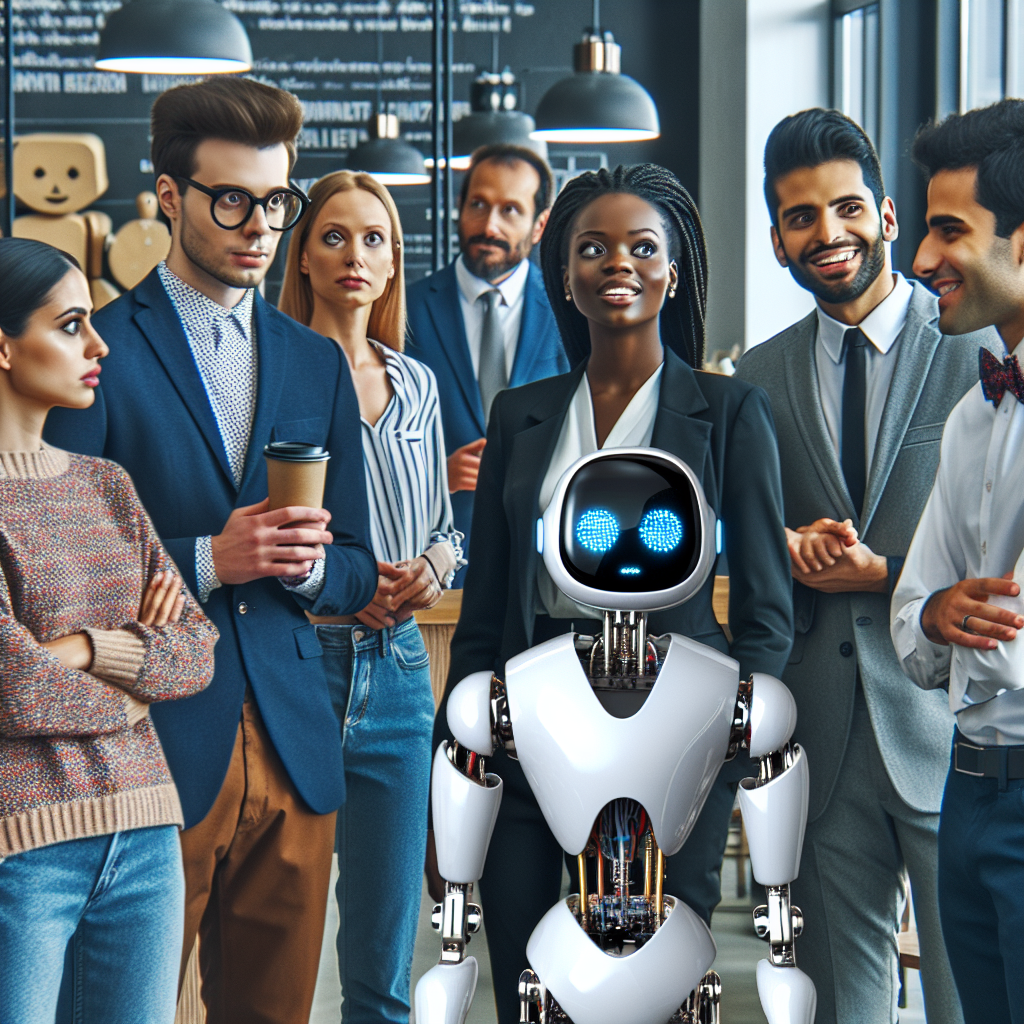
The integration of technology into everyday social interactions is an emerging trend that reflects broader shifts in consumer behavior and market dynamics. As society grapples with the implications of increased digital engagement, startups are exploring innovative solutions to enhance social skills and reduce discomfort in interpersonal situations. This analysis examines the current landscape of social interaction technology, the potential market opportunities, and the challenges that founders and investors may face.
The Rise of Social Interaction Technology
The U.S. market for social interaction technology is projected to reach $7 billion by 2028. This growth is largely driven by the increasing demand for tools that facilitate human connection in an era marked by technological isolation. While traditional platforms such as dating apps and video conferencing have dominated this space, there is a noticeable shift toward solutions that address the nuances of social engagement.
Market Opportunities and Trends
Startups focusing on enhancing social skills through technology are well-positioned to capture a significant share of this burgeoning market. Analysts suggest that these companies could potentially secure up to 15% of the overall market, indicating a strong appetite for innovative approaches to social interaction.
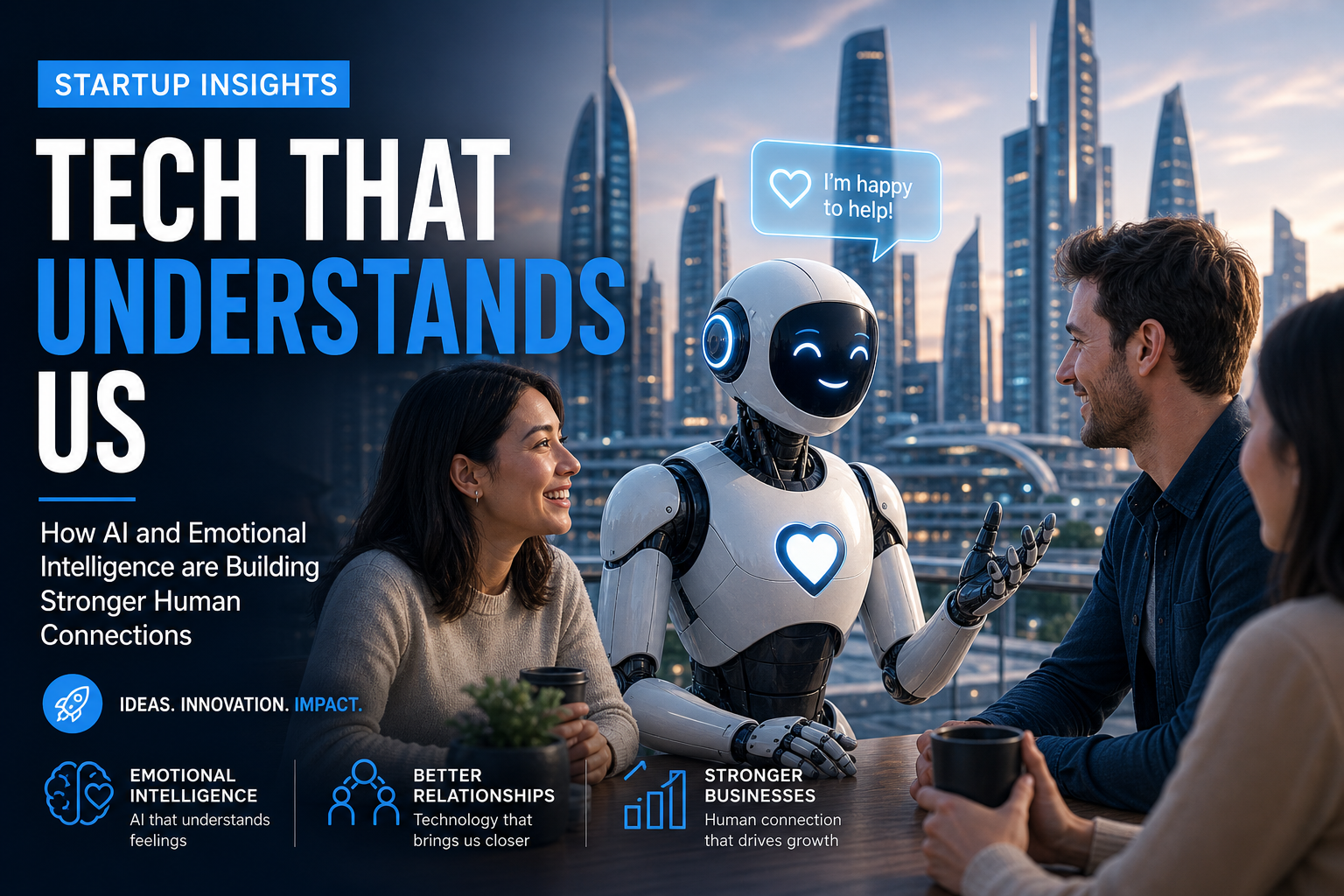
- Technological Integration: The use of autonomous systems, initially designed for crisis management, is being repurposed to address social discomfort. This trend highlights the versatility of technology and its potential to serve multiple functions.
- Consumer Demand: There is a growing recognition of the importance of social skills in personal and professional contexts. As more individuals seek to improve their interpersonal interactions, the demand for supportive technologies is likely to increase.
- Investment Potential: Investors are increasingly interested in startups that blend technology with social engagement. However, this interest is accompanied by scrutiny regarding the appropriateness of funding allocations in relation to societal needs.
Challenges and Risks
Despite the promising outlook, startups in this sector face several challenges that could impact their success:
- Market Skepticism: Some investors express concerns that initiatives focused on alleviating social awkwardness may not align with pressing societal issues such as education and mental health. This skepticism could affect funding opportunities and market acceptance.
- Adoption Barriers: The effectiveness of technology in enhancing social skills depends on user acceptance. Individuals may be hesitant to rely on bots or automated systems for personal interactions, raising questions about the feasibility of widespread adoption.
- Ethical Considerations: The blending of technology with personal interactions raises ethical questions about authenticity and the potential for dependency on automated solutions. Startups must navigate these concerns carefully to maintain consumer trust.
Founder Strategies for Success
To thrive in this evolving market, founders should consider the following strategies:
- Focus on User Experience: Prioritizing user-friendly design and intuitive interfaces will be crucial in encouraging adoption and ensuring that technology enhances rather than detracts from social interactions.
- Engage with Stakeholders: Building relationships with investors, mental health professionals, and educators can provide valuable insights and foster collaboration that enhances the credibility and impact of the technology.
- Emphasize Value Proposition: Clearly articulating the benefits of the technology in improving social skills and reducing anxiety will be essential in attracting both users and investors.
Conclusion
The intersection of technology and social skills presents a unique opportunity for startups to innovate and address a growing market need. As consumer preferences evolve, the potential for social interaction technology to reshape how individuals engage with one another is significant. However, founders must remain vigilant about the challenges and risks inherent in this space, ensuring that their solutions are both effective and ethically sound.
Editor's note: This analysis is original market research and does not constitute investment advice.
What's Your Reaction?
 Like
0
Like
0
 Dislike
0
Dislike
0
 Love
0
Love
0
 Funny
0
Funny
0
 Angry
0
Angry
0
 Sad
0
Sad
0
 Wow
0
Wow
0