
Exploring the Potential of Emotional Commerce in the Vending Machine Sector
By Startup Korea Research Desk | May 06, 2026 The concept of emotional commerce is gaining traction as startups explore innovative ways to connect consumer behavior with emotional well-being. A recent development in this space is the introductio...

By Startup Korea Research Desk | May 06, 2026
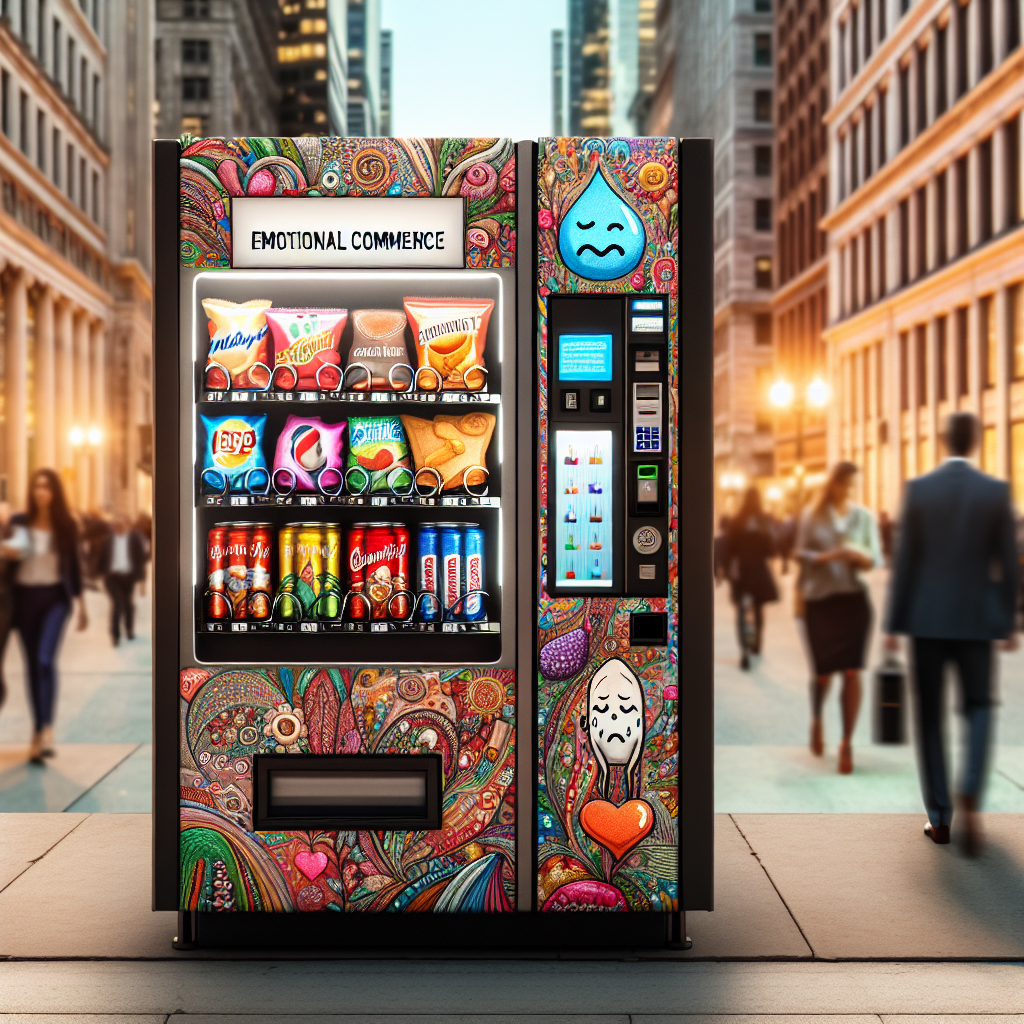
The concept of emotional commerce is gaining traction as startups explore innovative ways to connect consumer behavior with emotional well-being. A recent development in this space is the introduction of vending machines designed to dispense snacks based on the user's emotional state. This analysis delves into the implications of such a business model, the market trends driving its adoption, and the potential risks and challenges that may arise.
Understanding Emotional Commerce
Emotional commerce refers to the practice of leveraging consumers' emotional states to influence purchasing decisions. This trend is particularly relevant in today's market, where mental health awareness is on the rise. Consumers are increasingly seeking products and services that resonate with their emotional experiences, leading to a growing demand for solutions that address mental well-being.
The Business Model: A New Approach to Vending Machines
The vending machine concept that dispenses snacks based on emotional cues represents a novel approach to traditional vending. By utilizing advanced technology, such as multimodal document understanding engines, these machines can analyze user inputs to determine emotional states. This innovative mechanism aims to create a unique consumer experience that aligns with the emotional landscape of users.
Market Trends and Growth Potential
The market for mental health solutions and wellness products is projected to reach significant milestones in the coming years. According to industry forecasts, the emotional commerce sector could grow substantially, driven by increasing consumer awareness and demand for products that acknowledge emotional struggles. A recent survey indicated that a considerable percentage of millennials express a desire for products that resonate with their emotional states, suggesting a ripe opportunity for businesses that can effectively tap into this sentiment.
Investor Interest and Funding Landscape
Investor interest in emotional commerce has been notable, with startups in this space attracting significant funding. The recent success of a startup that raised substantial angel funding highlights a growing trend among investors to support ventures that focus on mental well-being. This influx of capital suggests a belief in the viability of emotional commerce as a sustainable business model.
Challenges and Risks
Despite the promising outlook, there are inherent risks associated with the emotional vending machine concept. Critics raise ethical concerns regarding the commodification of emotional states. The question arises: can a vending machine truly provide emotional support? Industry analysts caution that while the idea may be appealing, it is essential to consider the implications of relying on technology for emotional well-being.
Additionally, regulatory challenges may emerge as the startup navigates the complexities of emotional commerce. Ensuring that the technology used is sensitive to users' emotional needs and complies with relevant regulations will be crucial for long-term success.
Strategic Considerations for Founders
For founders looking to enter the emotional commerce space, a strategic approach is essential. Understanding the target audience and their emotional needs will be critical in developing products that resonate with consumers. Furthermore, establishing partnerships with mental health professionals could enhance credibility and provide valuable insights into consumer behavior.
Moreover, continuous innovation and adaptation to market trends will be necessary to maintain relevance in a rapidly evolving landscape. Founders should also prioritize transparency and ethical considerations in their business practices to build trust with consumers.
Conclusion
The emergence of emotional vending machines signifies a shift in consumer expectations and the potential for emotional commerce to reshape traditional business models. As the market for mental health solutions continues to grow, businesses that can effectively address emotional needs may find significant opportunities for success. However, navigating the associated risks and ethical considerations will be paramount for sustainable growth in this innovative sector.
Editor's note: This analysis is original market analysis and not investment advice.
What's Your Reaction?
 Like
0
Like
0
 Dislike
0
Dislike
0
 Love
0
Love
0
 Funny
0
Funny
0
 Angry
0
Angry
0
 Sad
0
Sad
0
 Wow
0
Wow
0