



Exploring the Intersection of Mental Health and Climate Anxiety: Market Trends and Business Models
By Startup Korea Research Desk | Apr 18, 2026 The growing concern surrounding climate change has not only triggered a wave of environmental initiatives but has also given rise to a new category of mental health solutions aimed at addressing clim...

By Startup Korea Research Desk | Apr 18, 2026
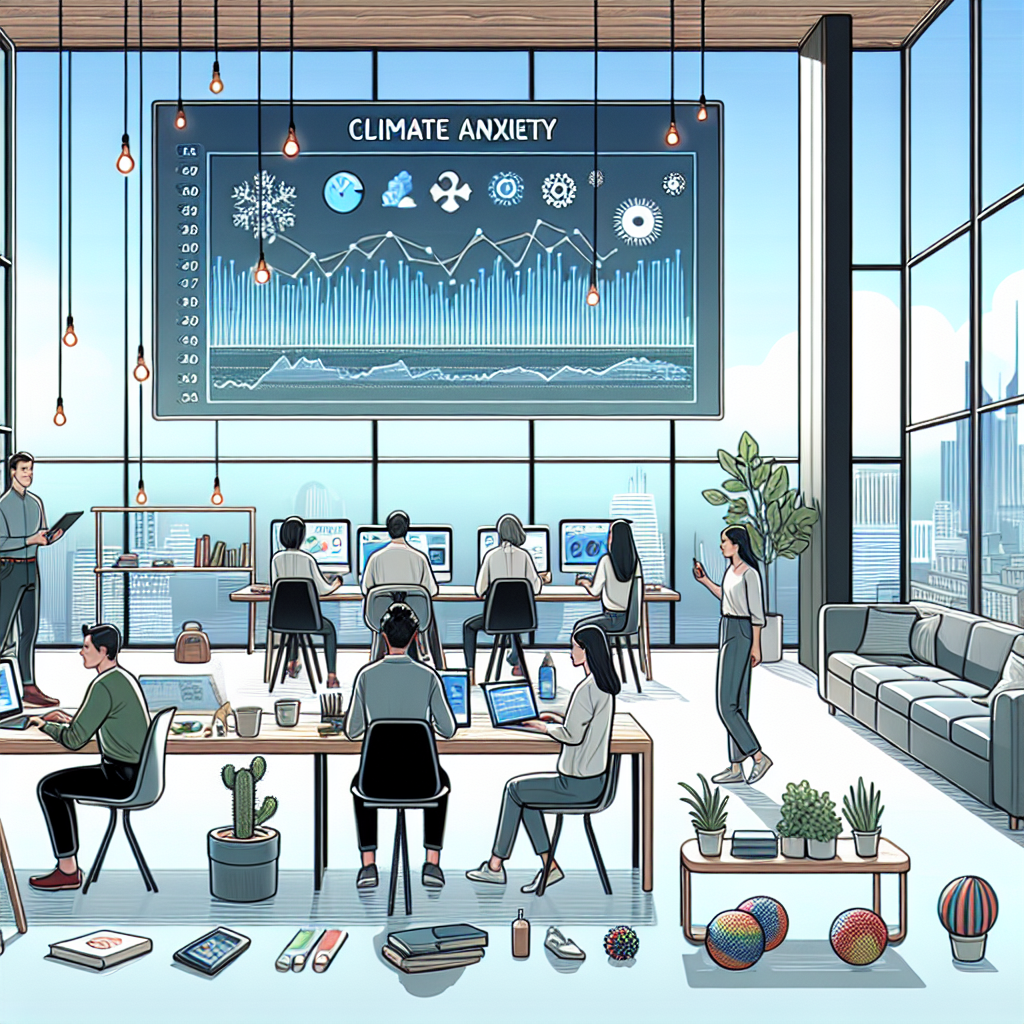
The growing concern surrounding climate change has not only triggered a wave of environmental initiatives but has also given rise to a new category of mental health solutions aimed at addressing climate anxiety. As this phenomenon becomes more prevalent, startups are increasingly exploring innovative ways to merge technology with mental health services. This analysis delves into the current trends, potential business models, and the challenges that accompany this emerging market.
The Rise of Climate Anxiety
Recent studies indicate that a significant portion of the population is experiencing heightened levels of anxiety related to climate change. Reports suggest that up to 78% of individuals in certain demographics express concern about the climate crisis, pointing to a growing need for mental health resources tailored to these specific anxieties. As awareness of climate issues continues to rise, so too does the demand for solutions that can help individuals cope with their fears.
Market Potential for Digital Mental Health Solutions
The digital mental health sector is projected to experience substantial growth, with estimates suggesting an increase from $2 billion in 2021 to approximately $15 billion by 2026. This growth is driven by the increasing acceptance of teletherapy and digital health solutions, particularly among younger demographics who are more comfortable with technology. Startups that can effectively integrate mental health services with digital platforms stand to benefit from this expanding market.
Innovative Business Models
One emerging business model involves the development of platforms that provide therapy specifically designed to address climate anxiety. These platforms may incorporate various features, such as virtual therapy sessions, community support groups, and educational resources about climate change. By leveraging technology, startups can create a comprehensive ecosystem that not only addresses mental health needs but also fosters a sense of community among users.
- Integration with Smart Home Technology: Some startups are exploring the integration of mental health services with smart home technology, creating a seamless experience for users. This approach aims to provide support in everyday environments, potentially reducing barriers to accessing mental health resources.
- Subscription-Based Models: Many digital mental health platforms are adopting subscription-based models, allowing users to access a range of services for a monthly fee. This model can provide a steady revenue stream while making mental health resources more accessible.
- Partnerships with Established Health Providers: Collaborating with established healthcare providers can enhance credibility and expand reach. Startups that can form strategic partnerships may find it easier to gain traction in a competitive market.
Investor Considerations and Diligence
As the market for digital mental health solutions grows, investors are increasingly interested in startups that address climate anxiety. However, due diligence is essential. Investors should consider the following factors:
- Market Validation: Startups must demonstrate a clear understanding of their target audience and the specific needs they are addressing. Market research and user feedback are critical in validating the demand for their services.
- Scalability: Investors should assess whether the business model is scalable. Startups that can expand their offerings and reach a broader audience are more likely to attract investment.
- Regulatory Compliance: The mental health sector is heavily regulated. Startups must ensure that they comply with relevant laws and regulations to avoid potential legal issues.
Challenges and Adoption Risks
While the potential for growth in the digital mental health sector is significant, there are inherent challenges and risks associated with adoption:
- Stigma Surrounding Mental Health: Despite increasing awareness, stigma around mental health issues persists. Startups must work to normalize conversations about mental health and climate anxiety to encourage adoption.
- Quality of Care: The effectiveness of digital therapy solutions can vary widely. Startups must prioritize the quality of care to build trust and retain users.
- Technological Barriers: Not all potential users may have access to the necessary technology or internet connectivity to utilize digital mental health services. Startups should consider strategies to reach underserved populations.
Founder Strategies for Success
For founders looking to navigate this emerging market, several strategies can enhance the likelihood of success:
- Focus on User Experience: A user-friendly interface and engaging content can significantly impact user retention. Startups should prioritize the design and functionality of their platforms.
- Build a Community: Fostering a sense of community among users can enhance engagement and provide additional support. Startups can leverage social media and online forums to create spaces for users to connect.
- Continuous Improvement: Gathering user feedback and iterating on services is crucial for long-term success. Startups should remain agile and responsive to the needs of their users.
In conclusion, the intersection of mental health and climate anxiety presents a unique opportunity for startups to innovate and provide valuable solutions. As the market continues to evolve, those who can effectively address the needs of this demographic while maintaining high standards of care are likely to thrive.
Editor's note: This article is original market analysis and not investment advice.
What's Your Reaction?
 Like
0
Like
0
 Dislike
0
Dislike
0
 Love
0
Love
0
 Funny
0
Funny
0
 Angry
0
Angry
0
 Sad
0
Sad
0
 Wow
0
Wow
0