



Exploring the Intersection of Biometric Authentication and Human Relationships in Startup Innovation
Exploring the Intersection of Biometric Authentication and Human Relationships in Startup Innovation By Startup Korea Research Desk | Apr 20, 2026 The emergence of innovative technologies continues to reshape various industries, and the startup...

Exploring the Intersection of Biometric Authentication and Human Relationships in Startup Innovation
By Startup Korea Research Desk | Apr 20, 2026
The emergence of innovative technologies continues to reshape various industries, and the startup ecosystem is no exception. A recent announcement from a startup focusing on biometric authentication in the context of human relationships has sparked significant interest and debate among investors and industry experts. This analysis delves into the implications of such innovations, market trends, and the potential risks and rewards associated with this unique approach.
Understanding the Concept of 'Human Relationship Technology Debt'
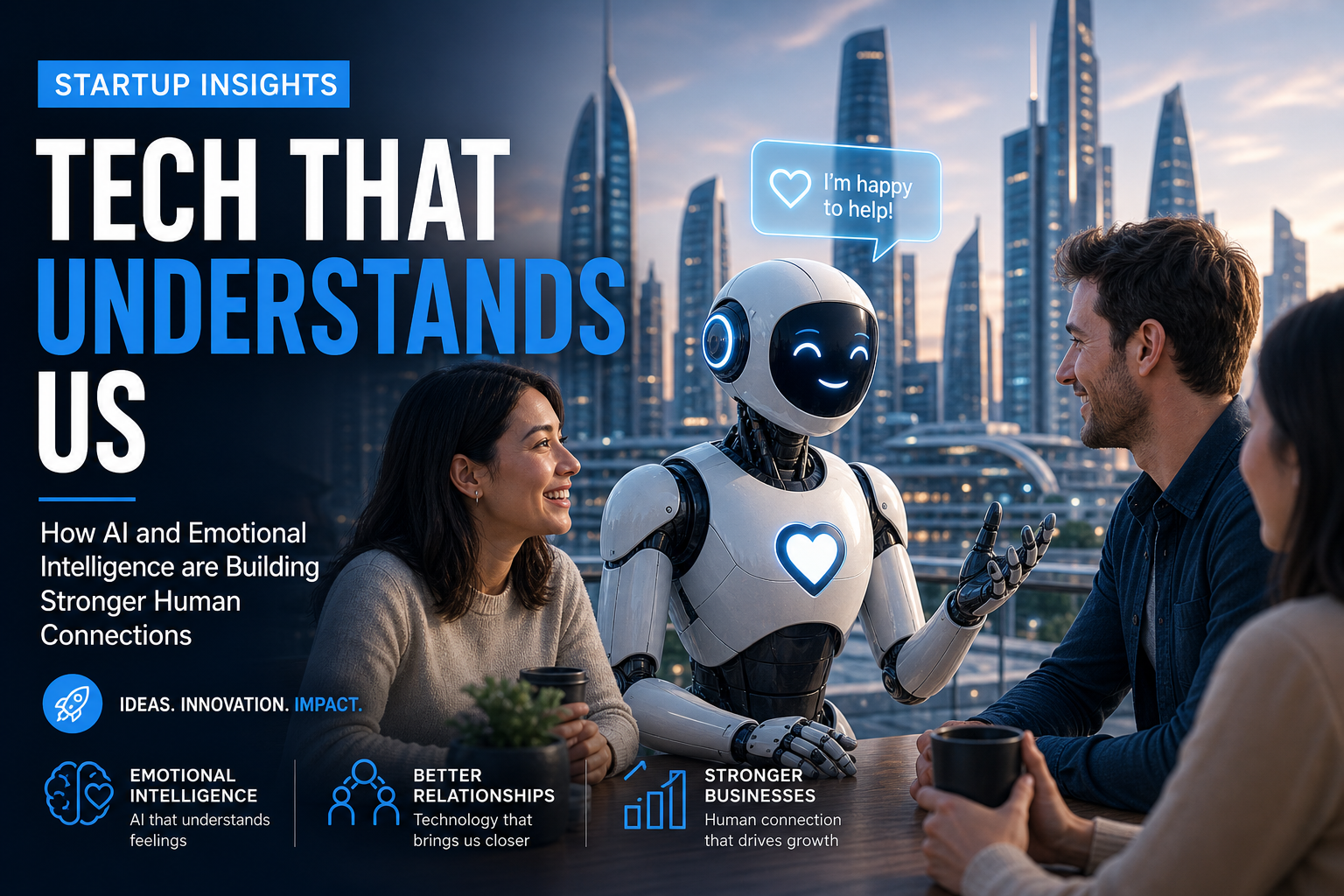
The term 'human relationship technology debt' has been introduced by the startup's leadership to describe the emotional and social capital that individuals owe each other in an increasingly digital world. As communication becomes more fragmented through various platforms, the depth and quality of interpersonal connections may suffer. This concept raises important questions about how technology can either bridge or widen the gap in human interactions.
Biometric Authentication: A New Frontier
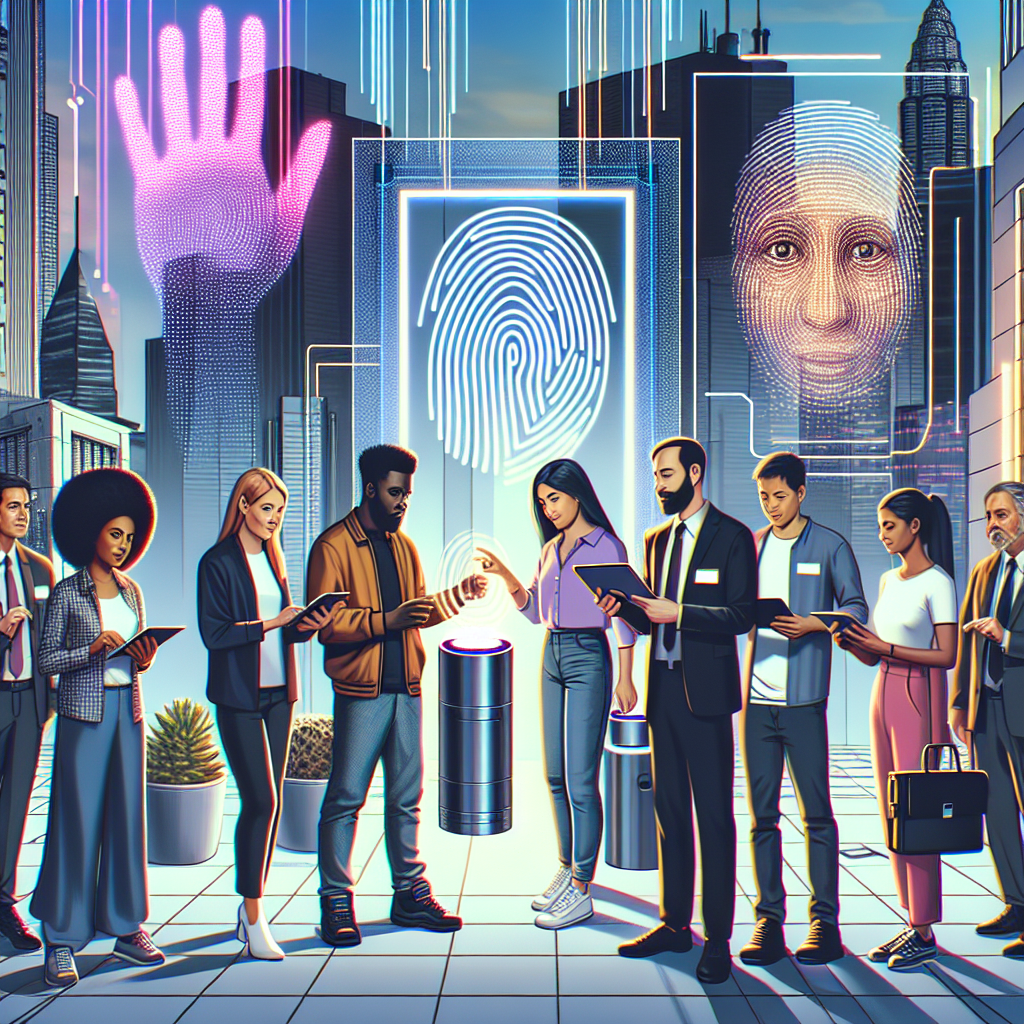
Biometric authentication, which traditionally includes methods like fingerprint scanning and facial recognition, is now being proposed as a means to gauge emotional states in social interactions. The startup's platform aims to leverage this technology to create a more authentic connection between users by allowing them to verify their emotional responses in real-time. This innovative approach could potentially transform how individuals engage with one another, particularly in environments dominated by digital communication.
Market Trends and Growth Potential
The global relationship management market is currently valued at approximately $20 billion and is projected to grow at a compound annual growth rate (CAGR) of around 12%. This growth is largely driven by the increasing reliance on social media and dating applications, which have created a heightened demand for emotional validation and connection. As consumers seek more meaningful interactions, solutions that address the emotional aspects of relationships could see significant adoption.
Investor Sentiment: Cautious Optimism or Ethical Concerns?
The investment community is divided regarding the potential of this startup's approach. Some investors express enthusiasm about the disruptive potential of integrating biometric technology into social interactions, viewing it as a way to enhance user experiences and foster deeper connections. However, others raise ethical concerns about the commodification of emotions and the implications of using biometric data in personal relationships.
Adoption Risks and Challenges
While the concept of using biometric authentication in social contexts is intriguing, several risks and challenges must be addressed:
- Privacy Concerns: The collection and processing of biometric data raise significant privacy issues. Users may be hesitant to share sensitive information about their emotional states, fearing misuse or breaches of confidentiality.
- Technological Reliability: The effectiveness of the proposed algorithmic system in accurately interpreting emotional responses is crucial. Any inaccuracies could lead to misunderstandings and negatively impact relationships.
- Market Acceptance: The success of the platform depends on user acceptance. Individuals may be resistant to adopting a technology that quantifies emotions, as it could feel intrusive or artificial.
Strategic Considerations for Founders
For founders venturing into this innovative space, several strategic considerations are essential:
- Focus on User Experience: Ensuring that the platform is user-friendly and enhances rather than complicates social interactions will be vital for adoption.
- Transparency and Trust: Building trust with users by being transparent about data usage and implementing robust security measures will be crucial in addressing privacy concerns.
- Ethical Framework: Establishing an ethical framework for the use of biometric data in social contexts can help mitigate concerns and foster a positive perception of the technology.
Conclusion
The intersection of biometric authentication and human relationships presents a unique opportunity for innovation within the startup landscape. While the potential for market disruption exists, it is accompanied by significant risks and ethical considerations that must be navigated carefully. As the startup ecosystem continues to evolve, the success of such initiatives will depend on their ability to balance technological advancement with the fundamental principles of human connection.
Editor's note: This analysis is original market research and does not constitute investment advice.
What's Your Reaction?
 Like
0
Like
0
 Dislike
0
Dislike
0
 Love
0
Love
0
 Funny
0
Funny
0
 Angry
0
Angry
0
 Sad
0
Sad
0
 Wow
0
Wow
0