





Evaluating the Potential of SaaS Solutions in the Plastic Recycling Sector
By Startup Korea Research Desk | Apr 14, 2026 The emergence of Software as a Service (SaaS) platforms tailored for the plastic recycling industry marks a significant trend in the intersection of technology and sustainability. As global plastic p...

By Startup Korea Research Desk | Apr 14, 2026
The emergence of Software as a Service (SaaS) platforms tailored for the plastic recycling industry marks a significant trend in the intersection of technology and sustainability. As global plastic production continues to rise, the need for effective recycling solutions has never been more pressing. This analysis explores the market dynamics, potential business models, and the associated risks for investors and founders in this evolving landscape.
Market Context: The Growing Challenge of Plastic Waste
In 2025, global plastic production reached approximately 460 million metric tons, reflecting a 4% increase from the previous year. This surge in production exacerbates the ongoing crisis of plastic waste, with recycling rates remaining alarmingly low. The global market for sustainable materials is projected to exceed $600 billion by 2030, indicating a robust demand for innovative solutions that can address the challenges posed by plastic waste.
Technological Advancements: A Catalyst for Change
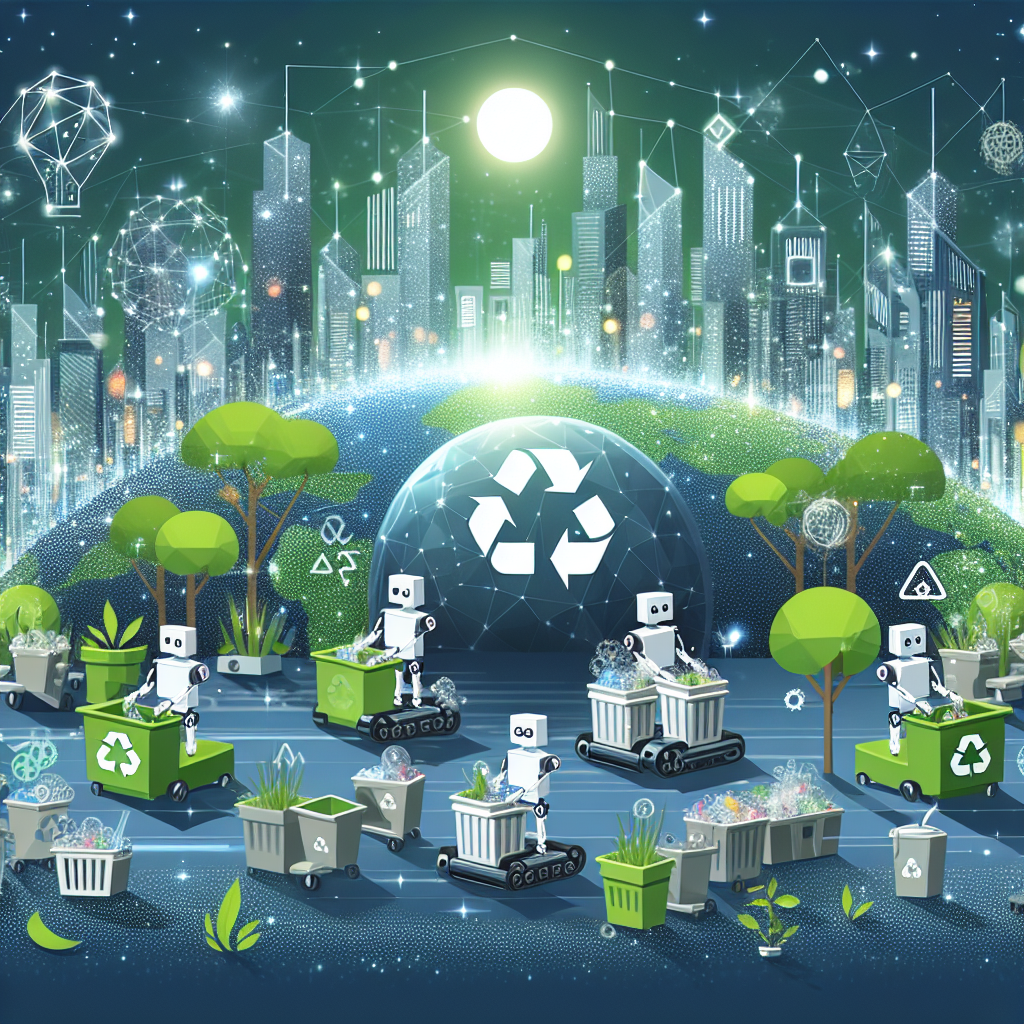
The convergence of advanced technologies, such as autonomous robotics and sophisticated software, is paving the way for new methodologies in recycling. The global market for collaborative robotics is expected to grow from $1.5 billion in 2023 to $7.5 billion by 2028, representing a 400% increase. This growth suggests a future where machines can effectively manage recycling processes, potentially transforming the industry.
Business Model Viability: SaaS in Plastic Recycling
SaaS platforms designed for tracking the lifecycle of plastic materials offer a compelling business model. By providing corporations with tools to monitor and manage their plastic usage, these platforms can help businesses comply with increasing regulatory demands and meet consumer expectations for sustainability. The ability to demonstrate responsible plastic use can enhance a company's reputation and mitigate risks associated with negative consumer sentiment.
Investor Interest: The Green Investment Trend
The growing focus on sustainability has attracted significant interest from investors in the tech sector. Venture capital firms are increasingly looking to fund startups that offer innovative solutions to environmental challenges. The potential for SaaS platforms to provide measurable impacts on recycling efficiency and corporate responsibility makes them an attractive investment opportunity.
Adoption Risks: Challenges Ahead
Despite the promising outlook, several risks accompany the adoption of SaaS solutions in the plastic recycling sector. Key challenges include:
- Market Competition: As the market for sustainable solutions expands, competition among SaaS providers may intensify, leading to price pressures and potential market saturation.
- Technological Integration: Companies may face difficulties integrating new SaaS platforms with existing systems, which can hinder adoption rates.
- Regulatory Uncertainty: The evolving regulatory landscape surrounding plastic use and recycling may pose challenges for SaaS providers in ensuring compliance.
- Consumer Behavior: While there is a growing demand for sustainability, actual consumer behavior may not always align with expectations, impacting the effectiveness of SaaS solutions.
Founder Strategy: Navigating the Landscape
For founders entering the SaaS plastic recycling space, a clear strategy is essential. Key considerations include:
- Understanding Market Needs: Conducting thorough market research to identify specific pain points faced by potential customers can inform product development.
- Building Partnerships: Collaborating with established players in the recycling and waste management sectors can enhance credibility and facilitate market entry.
- Emphasizing User Experience: Ensuring that the platform is user-friendly and provides tangible benefits will be crucial for driving adoption.
- Staying Agile: The ability to pivot and adapt to changing market conditions and regulatory requirements will be vital for long-term success.
Conclusion: A Promising Yet Challenging Landscape
The introduction of SaaS solutions for tracking plastic recycling represents a significant opportunity within the broader sustainability movement. While the potential for growth and impact is substantial, the associated risks and challenges must be carefully navigated. Investors and founders alike should approach this market with diligence, ensuring that their strategies are informed by a comprehensive understanding of the dynamics at play.
Editor's note: This is original market analysis and not investment advice.
What's Your Reaction?
 Like
0
Like
0
 Dislike
0
Dislike
0
 Love
0
Love
0
 Funny
0
Funny
0
 Angry
0
Angry
0
 Sad
0
Sad
0
 Wow
0
Wow
0