
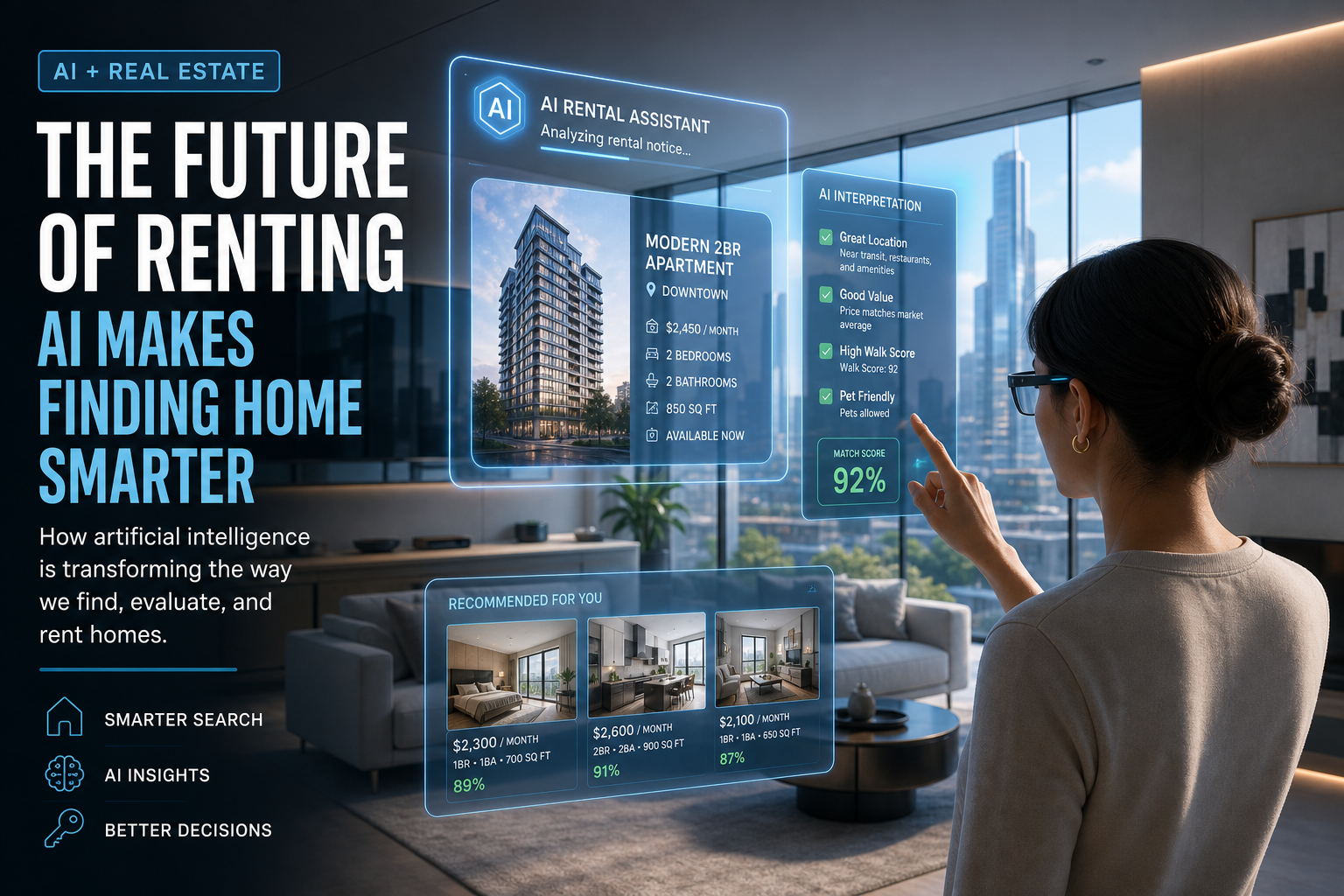




Evaluating Neighborhood Trust Scores: Market Trends and Challenges
Evaluating Neighborhood Trust Scores: Market Trends and Challenges By Startup Korea Research Desk | Apr 17, 2026 The emergence of innovative metrics to quantify community reputation has gained traction in recent years, particularly with the intr...


Evaluating Neighborhood Trust Scores: Market Trends and Challenges
By Startup Korea Research Desk | Apr 17, 2026
The emergence of innovative metrics to quantify community reputation has gained traction in recent years, particularly with the introduction of neighborhood trust scores. These scores aim to assess the social fabric of localities, providing insights into community sentiment and its potential impact on various sectors, including real estate and local businesses. This analysis explores the current landscape surrounding neighborhood trust scores, the underlying business models, market trends, and the associated risks for investors and founders.
The Rise of Predictive Analytics in Community Assessment
Neighborhood trust scores leverage advanced predictive analytics to gauge community reputation. By analyzing data from social media interactions, local reviews, and other behavioral indicators, these platforms aim to create a quantifiable measure of trustworthiness within neighborhoods. This approach is particularly appealing in a market where consumer behavior is increasingly influenced by community sentiment.
As public trust in local institutions continues to decline, evidenced by recent statistics indicating a 37% drop in community trust over the past five years, the demand for reliable metrics to restore faith in neighborhoods has surged. Companies that can effectively measure and communicate these trust scores may find a lucrative niche in the market.
Market Context and Investor Interest
The recent funding round for a startup focused on neighborhood trust scores has highlighted the growing interest from investors in this sector. With substantial capital being allocated to companies that promise innovative solutions to complex social issues, the potential for rapid growth is evident. However, this influx of investment raises questions about the sustainability and scalability of such business models.
Investors are increasingly drawn to startups that offer unique value propositions, particularly those that address pressing societal concerns. The ability to quantify trust could provide significant advantages for real estate developers, local businesses, and municipal governments seeking to enhance community engagement and improve local economies.
Challenges and Risks in Adoption
Despite the promising outlook, the adoption of neighborhood trust scores is not without challenges. Critics have raised concerns regarding the methodology employed in generating these scores. The reliance on behavioral analytics may inadvertently introduce biases, leading to skewed representations of community sentiment. For instance, overemphasis on social media activity may not accurately reflect the views of all community members, particularly those who are less active online.
Moreover, the subjective nature of trust can complicate the interpretation of these scores. Stakeholders may have differing opinions on what constitutes a trustworthy neighborhood, making it difficult to establish a universally accepted metric. This variability can pose risks for businesses and investors who rely on these scores for decision-making.
Strategic Considerations for Founders
For founders venturing into the neighborhood trust score market, a clear strategy is essential. Building a robust methodology that addresses potential biases and incorporates diverse community perspectives will be crucial for gaining credibility. Engaging with local stakeholders and conducting thorough research can help refine the scoring system and enhance its reliability.
Additionally, founders should consider the scalability of their business models. As the market for community reputation metrics evolves, the ability to adapt and innovate will be vital for long-term success. Establishing partnerships with local governments, real estate firms, and community organizations can provide valuable insights and facilitate broader adoption of trust scores.
Conclusion
The concept of neighborhood trust scores represents a significant shift in how communities are assessed and valued. While the potential for growth in this sector is substantial, it is accompanied by inherent risks and challenges that must be navigated carefully. Investors and founders alike should approach this emerging market with diligence, ensuring that the methodologies employed are sound and that the resulting metrics are both reliable and actionable.
Editor's note: This analysis is original market research and should not be considered investment advice.
What's Your Reaction?
 Like
0
Like
0
 Dislike
0
Dislike
0
 Love
0
Love
0
 Funny
0
Funny
0
 Angry
0
Angry
0
 Sad
0
Sad
0
 Wow
0
Wow
0