


Emotional AI: Analyzing the Growth of Emotional Tone Synthesis Technologies
By Startup Korea Research Desk | Apr 06, 2026 Introduction The emotional artificial intelligence (AI) sector is witnessing significant investment and innovation, particularly in the realm of emotional tone synthesis technologies. A recent fundin...

By Startup Korea Research Desk | Apr 06, 2026
Introduction
The emotional artificial intelligence (AI) sector is witnessing significant investment and innovation, particularly in the realm of emotional tone synthesis technologies. A recent funding round raised $80 million for a startup specializing in this area, highlighting a growing interest among investors and businesses in developing tools that enhance human-computer interaction through emotional intelligence.
The Technology Landscape
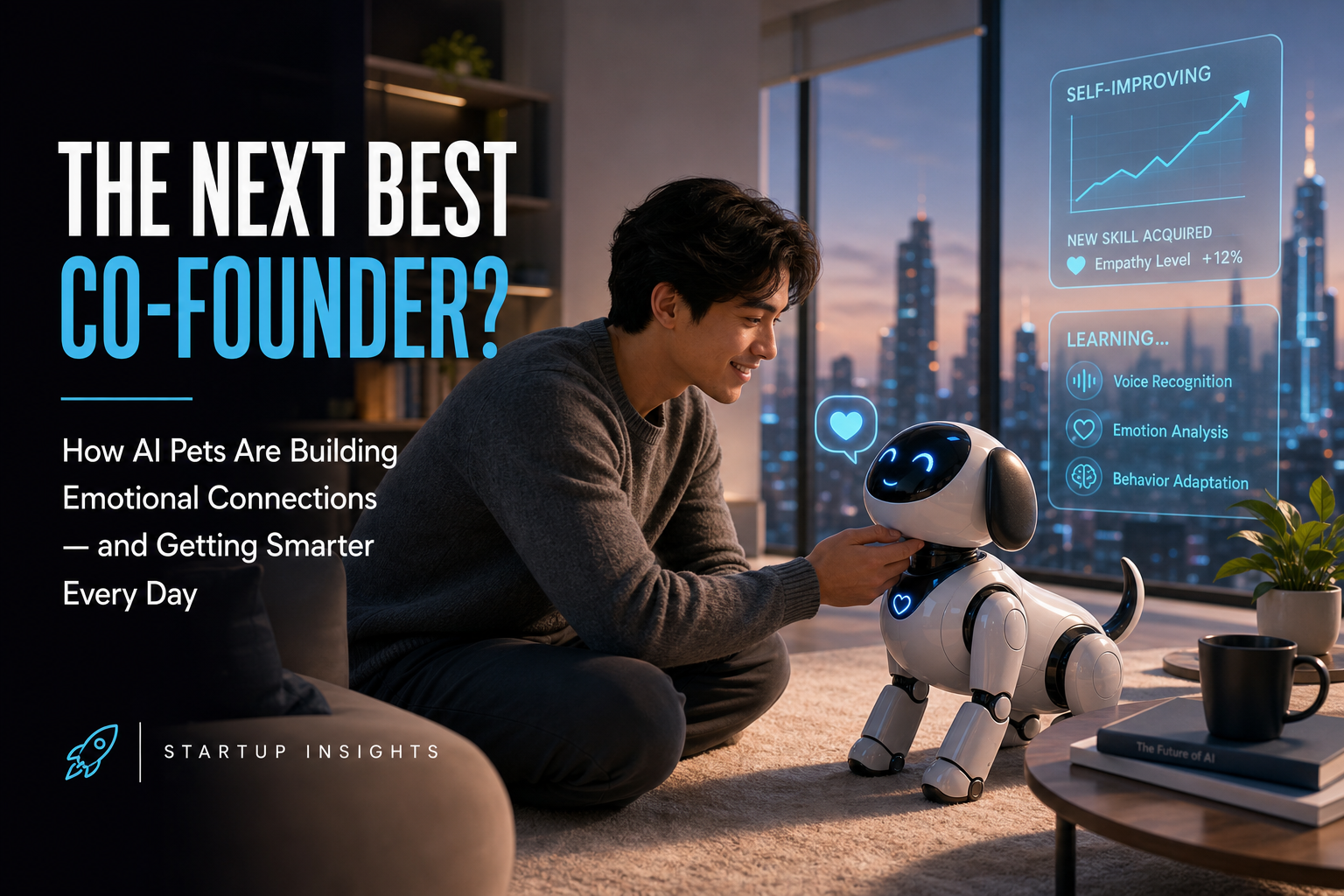
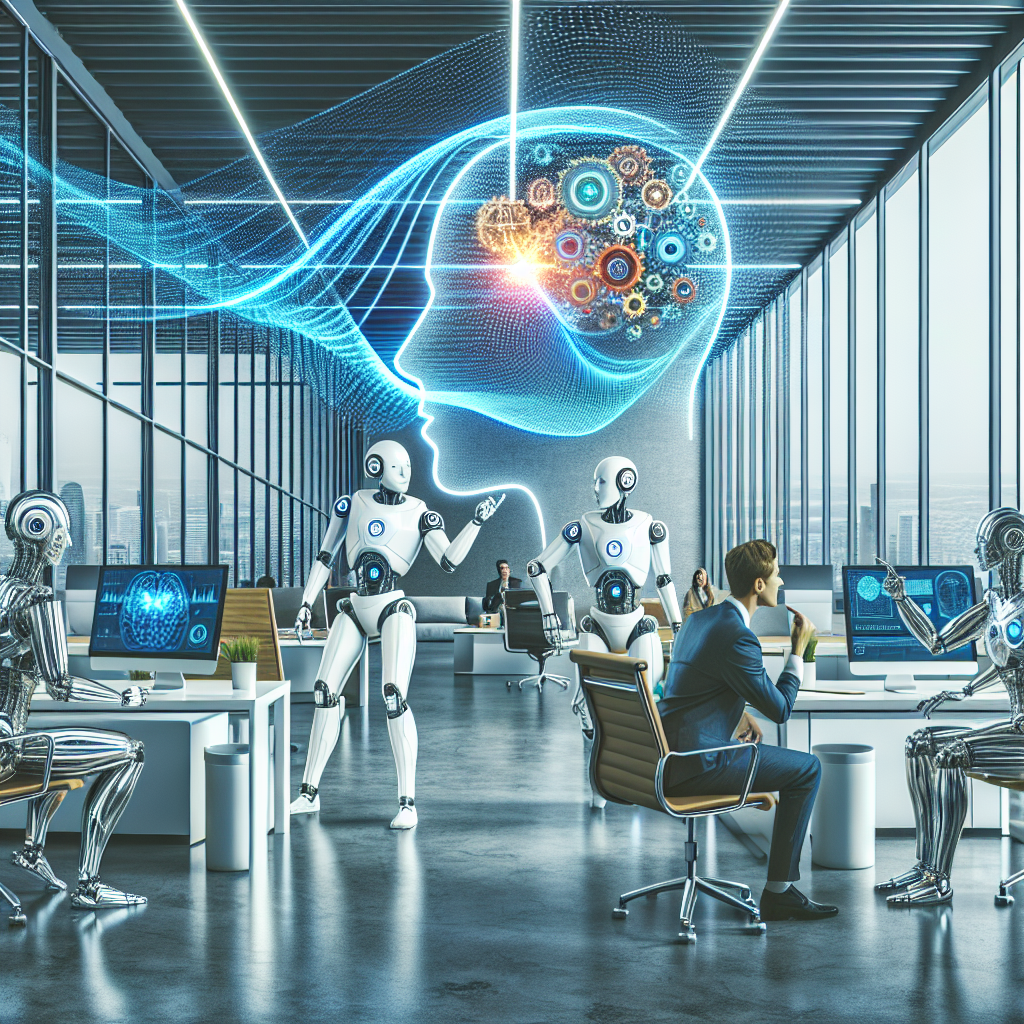
Emotional tone synthesis technology aims to enable machines to interpret and replicate human emotional nuances. This technology is increasingly relevant in a world where digital communication often lacks the emotional depth found in face-to-face interactions. By leveraging advanced algorithms and brain-computer interface technology, these systems can analyze user inputs to generate emotionally resonant responses.
Market Demand
The demand for emotional AI solutions is on the rise, driven by the need for more meaningful interactions in various sectors, including customer service, marketing, and mental health. As businesses adapt to a more digital-first approach, the ability to convey empathy and understanding through automated systems becomes crucial.
Market Growth Projections
According to industry analysts, the emotional AI market is expected to grow from $24 billion in 2025 to approximately $100 billion by 2030. This growth trajectory indicates a robust adoption of emotional AI technologies across different industries, reflecting a shift towards integrating emotional intelligence into everyday business operations.
Current Applications and Adoption Rates
- Emotional AI currently accounts for about 25% of all customer interactions.
- The projected adoption rate of emotional AI technologies is expected to reach 60% by 2035.
This increasing adoption is indicative of a broader trend where companies seek to enhance customer engagement and satisfaction through emotionally aware systems.
Investor Sentiment and Diligence
The enthusiasm among investors for emotional AI startups underscores a growing recognition of the importance of emotional intelligence in technology. Investors are increasingly focusing on the potential for these technologies to transform customer interactions and improve overall user experience. However, due diligence is essential, as the emotional AI landscape is still evolving, and the long-term viability of specific business models remains to be fully assessed.
Challenges and Risks
While the potential for emotional tone synthesis technologies is significant, several challenges must be addressed. These include:
- Data Privacy: As these technologies often rely on personal data to function effectively, ensuring user privacy and compliance with regulations is paramount.
- Accuracy and Reliability: The ability of emotional AI systems to accurately interpret and respond to human emotions is still a developing field, and inaccuracies can lead to user dissatisfaction.
- Market Competition: As more players enter the emotional AI space, differentiation and establishing a unique value proposition will be critical for startups.
Strategic Considerations for Founders
For founders in the emotional AI sector, developing a clear strategy that addresses market needs while navigating potential risks is essential. Key considerations include:
- Focus on User Experience: Prioritizing the user experience can help build trust and encourage adoption of emotional AI solutions.
- Partnerships and Collaborations: Collaborating with established companies can provide valuable insights and resources, enhancing product development and market reach.
- Continuous Innovation: Staying ahead of technological advancements and user expectations will be crucial for maintaining a competitive edge.
Conclusion
The emotional AI market is poised for substantial growth as businesses increasingly recognize the importance of emotional intelligence in enhancing customer interactions. Startups focusing on emotional tone synthesis technologies are well-positioned to capitalize on this trend, provided they navigate the associated challenges effectively. As the landscape evolves, ongoing innovation and strategic partnerships will be key to success.
Editor's note: This article is original market analysis and not investment advice.
What's Your Reaction?
 Like
0
Like
0
 Dislike
0
Dislike
0
 Love
0
Love
0
 Funny
0
Funny
0
 Angry
0
Angry
0
 Sad
0
Sad
0
 Wow
0
Wow
0