


Emerging Trends in Culinary Technology and Remote Health Innovations
Emerging Trends in Culinary Technology and Remote Health Innovations By Startup Korea Research Desk | Apr 10, 2026 The intersection of culinary indulgence and advancements in medical technology is becoming increasingly relevant in today's market...


Emerging Trends in Culinary Technology and Remote Health Innovations
By Startup Korea Research Desk | Apr 10, 2026
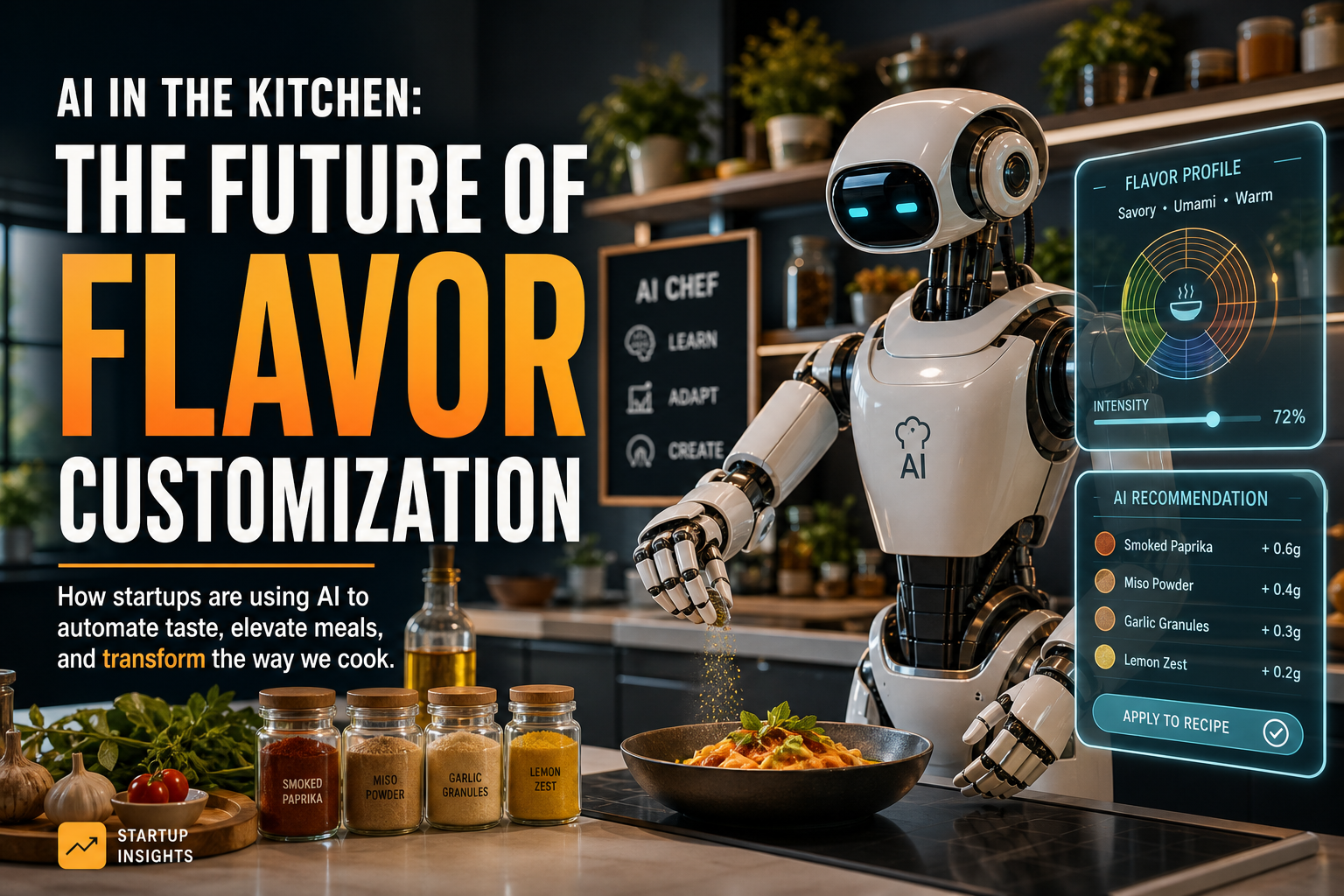
The intersection of culinary indulgence and advancements in medical technology is becoming increasingly relevant in today's market. As consumer preferences evolve, startups are exploring innovative ways to blend these two distinct sectors, creating unique business models that cater to modern lifestyles.
A Unique Proposition in the Market
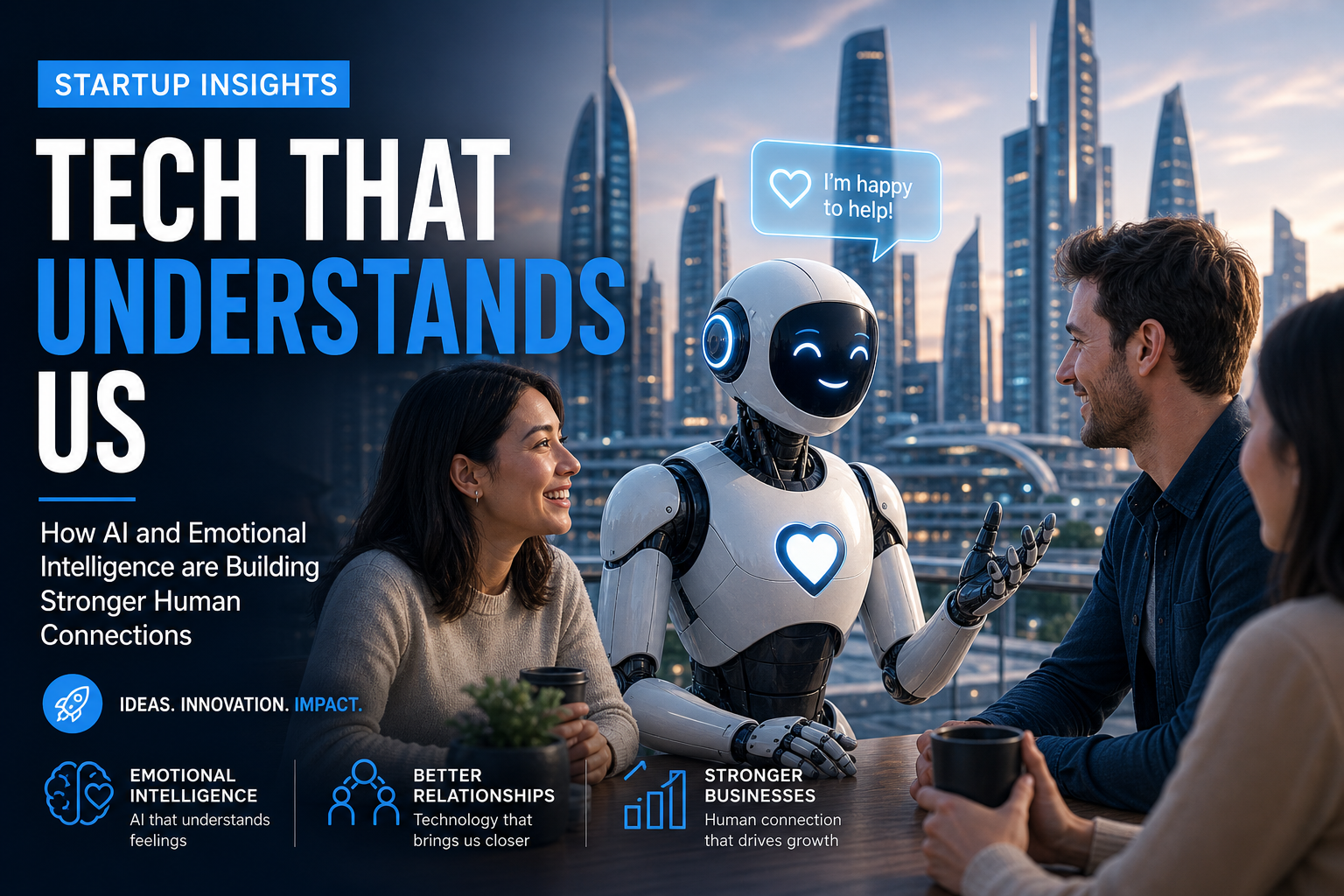
Recent developments in the food tech industry highlight a growing trend towards convenience and emotional well-being. Startups are leveraging technology to create platforms that not only provide culinary solutions but also address the psychological aspects of food consumption. For instance, applications that track consumer sentiments around eating habits are gaining traction. This reflects a broader shift towards holistic health, where emotional and mental wellness are considered alongside physical health.
Market Context: The Convergence of Industries
The timing of these innovations aligns with significant advancements in remote surgical technology. The global market for remote surgical haptic interfaces is projected to grow substantially, indicating a burgeoning field that combines precision medicine with consumer technology. As these industries converge, there is potential for cross-pollination of ideas, leading to novel products that could redefine consumer experiences in both culinary and healthcare contexts.
Investment Landscape: Opportunities and Challenges
Investors are increasingly interested in startups that operate at the intersection of food and health technology. The potential for cross-border mergers and acquisitions is particularly noteworthy, as international investors seek to capitalize on emerging trends. However, due diligence is essential. Investors must assess not only the financial viability of these startups but also their ability to navigate regulatory landscapes and consumer acceptance.
Risks and Constraints in the Market
While the concept of guilt-free eating and culinary technology is appealing, several risks must be considered. Experts caution that the integration of emotional feedback systems in food applications could lead to unintended consequences. For example, excessive focus on guilt and emotional responses may inadvertently exacerbate issues related to disordered eating. Furthermore, the competitive landscape is becoming increasingly crowded, with numerous startups vying for consumer attention in both the food and health sectors.
Consumer Behavior: Shifting Preferences
Today's consumers are more health-conscious and tech-savvy than ever before. There is a growing demand for products that not only satisfy cravings but also align with personal values around health and wellness. Startups that can effectively communicate their value propositions and build community around their offerings are likely to succeed. Engaging consumers through storytelling and emphasizing the emotional benefits of their products can enhance brand loyalty.
Strategic Considerations for Founders
For founders operating in this space, a clear understanding of market dynamics is crucial. Developing a robust business model that addresses both the culinary and health aspects of consumer needs will be key. Additionally, fostering partnerships with healthcare professionals and nutritionists can lend credibility to their offerings and help navigate potential regulatory hurdles.
Conclusion
The convergence of culinary technology and remote health innovations presents exciting opportunities for startups. As the market evolves, businesses that prioritize consumer well-being and adapt to changing preferences will likely thrive. However, navigating the complexities of this landscape requires careful strategy and a commitment to addressing both the emotional and physical aspects of consumer behavior.
Editor's note: This is original market analysis and not investment advice.
What's Your Reaction?
 Like
0
Like
0
 Dislike
0
Dislike
0
 Love
0
Love
0
 Funny
0
Funny
0
 Angry
0
Angry
0
 Sad
0
Sad
0
 Wow
0
Wow
0