



Analyzing the Rise of AI Companionship Solutions in the Loneliness Economy
Analyzing the Rise of AI Companionship Solutions in the Loneliness Economy By Startup Korea Research Desk | May 20, 2026 The intersection of technology and emotional well-being has become a focal point for startups aiming to address the growing...

Analyzing the Rise of AI Companionship Solutions in the Loneliness Economy
By Startup Korea Research Desk | May 20, 2026
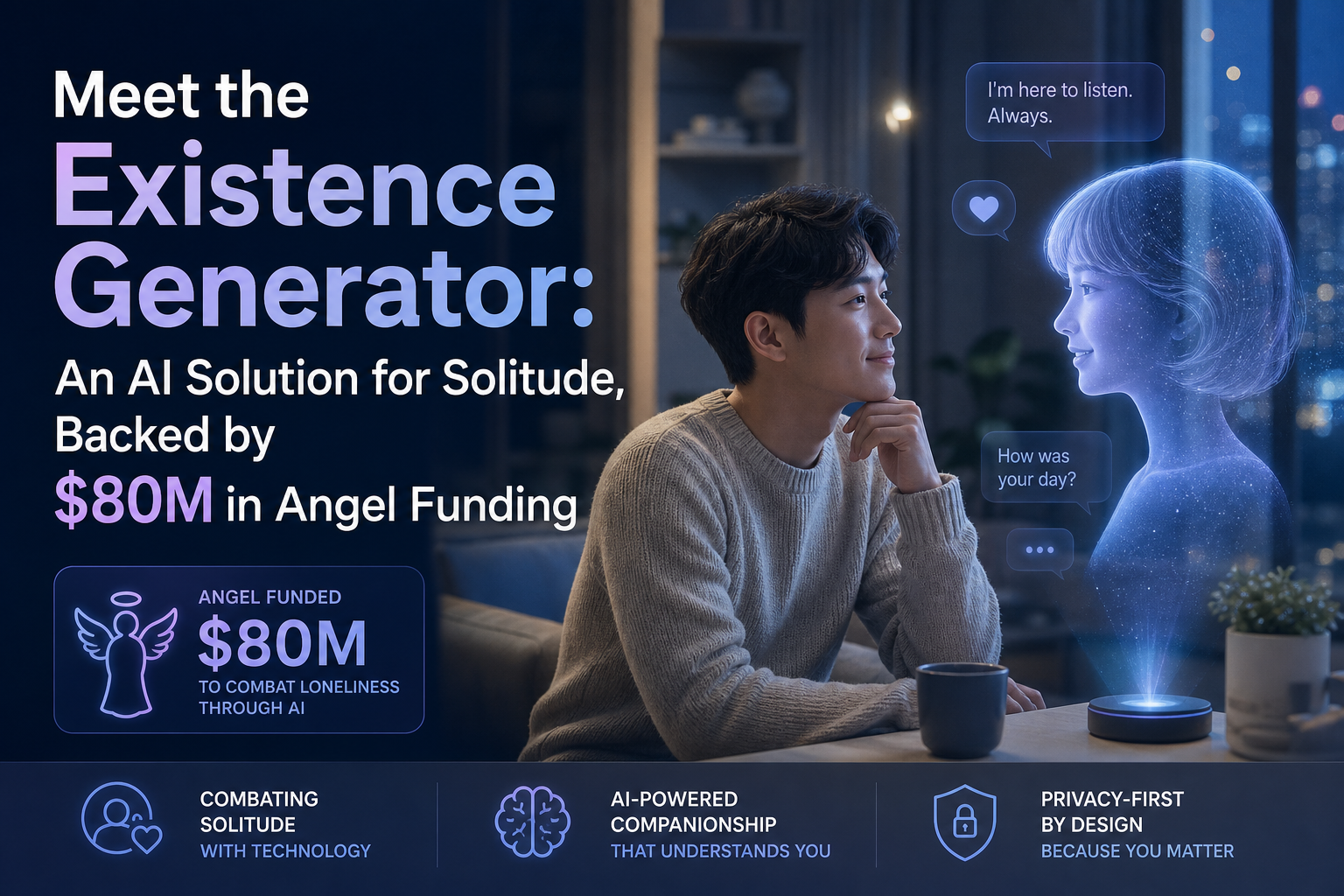
The intersection of technology and emotional well-being has become a focal point for startups aiming to address the growing issue of loneliness in modern society. Recent developments in artificial intelligence (AI) have paved the way for innovative solutions designed to provide companionship and emotional support, particularly for individuals living alone. This analysis explores the market trends, business model viability, adoption risks, and investor diligence surrounding AI companionship solutions.
The Loneliness Economy: A Growing Market
Recent studies indicate that nearly 30% of the adult population in the United States experiences feelings of loneliness, a statistic that underscores the urgency of addressing this social issue. The so-called "loneliness economy" is projected to reach a market value of $15 billion by 2027, encompassing a range of products and services aimed at alleviating emotional isolation. This includes mental health applications, social platforms, and robotic companions designed to simulate human interaction.
Emergence of AI Companionship Solutions
Startups are increasingly leveraging advancements in AI to create robotic companions that can provide emotional support. These solutions aim to fill the void left by traditional forms of companionship, offering users a semblance of interaction without the complexities of human relationships. The emergence of such technologies reflects a broader trend where convenience and emotional support are prioritized, particularly in a fast-paced digital world.
Investor Interest and Funding Trends
The recent surge in funding for AI companionship solutions highlights a growing confidence among investors in the potential of this market. In 2025, investments in technologies aimed at combating loneliness increased by over 45%, signaling a shift in investor sentiment towards projects that address emotional well-being. This trend suggests that investors are recognizing the long-term viability of solutions that cater to the emotional needs of consumers.
Business Model Viability
The business models surrounding AI companionship solutions vary, with some companies opting for direct sales of robotic companions, while others may pursue subscription-based services that offer ongoing support and updates. The success of these models will largely depend on the ability to demonstrate tangible benefits to users, such as improved mental health outcomes and enhanced quality of life. Additionally, companies must navigate the ethical implications of providing emotional support through AI, ensuring that their products are designed with user well-being in mind.
Adoption Risks and Consumer Perception
Despite the potential benefits, there are inherent risks associated with the adoption of AI companionship solutions. Consumer perception plays a crucial role in determining the success of these products. While some individuals may embrace the idea of robotic companions, others may view them with skepticism or discomfort. Companies must invest in user education and transparent communication to address concerns and foster acceptance of these technologies.
Strategic Considerations for Founders
For founders in the AI companionship space, strategic considerations are paramount. Building a product that resonates with users requires a deep understanding of the emotional landscape and the specific needs of target demographics. Collaborating with mental health professionals and conducting thorough market research can provide valuable insights into user preferences and pain points. Additionally, founders should remain agile in their approach, adapting to feedback and evolving consumer expectations.
Conclusion
The rise of AI companionship solutions reflects a significant shift in how society addresses loneliness and emotional well-being. As the loneliness economy continues to expand, startups that effectively leverage technology to provide meaningful companionship will likely find success. However, navigating the complexities of consumer perception, ethical considerations, and market dynamics will be critical for long-term viability.
Editor's note: This analysis is original market research and does not constitute investment advice.
What's Your Reaction?
 Like
0
Like
0
 Dislike
0
Dislike
0
 Love
0
Love
0
 Funny
0
Funny
0
 Angry
0
Angry
0
 Sad
0
Sad
0
 Wow
0
Wow
0