



Analyzing the Pet Treats Market: Trends, Innovations, and Investment Opportunities
By Startup Korea Research Desk | May 20, 2026 The pet industry has witnessed remarkable growth in recent years, driven by changing consumer attitudes towards pet ownership and an increasing willingness to invest in pet care. As this market conti...

By Startup Korea Research Desk | May 20, 2026
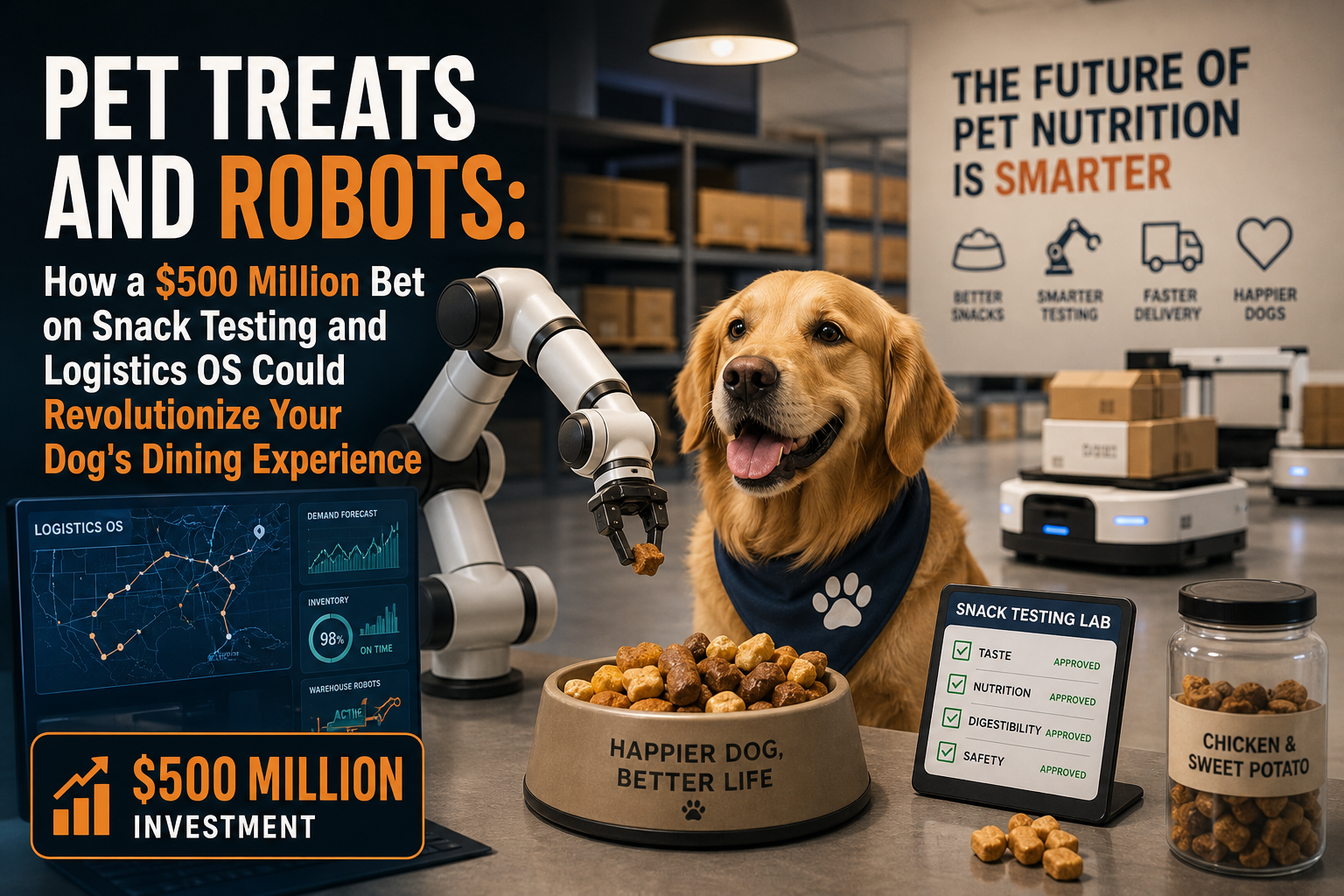
The pet industry has witnessed remarkable growth in recent years, driven by changing consumer attitudes towards pet ownership and an increasing willingness to invest in pet care. As this market continues to expand, innovative startups are emerging, seeking to capitalize on the evolving landscape. One such startup has recently garnered attention for its ambitious plans to revolutionize the pet treats sector through advanced testing methodologies and logistics technology.
The Growth of the Pet Industry
According to industry forecasts, the global pet industry is expected to reach approximately $269 billion by 2025, with pet treats representing a significant segment of this market. The COVID-19 pandemic has accelerated trends in pet ownership, as more individuals and families adopted pets during lockdowns. This shift has led to increased spending on pet products, particularly premium treats that cater to the evolving preferences of pet owners.
Innovative Business Models in Pet Treats
At the forefront of this innovation is a startup that has recently secured substantial funding to develop a platform for A/B testing pet treats. This approach allows manufacturers to experiment with various flavors and textures, ensuring that only the most appealing products reach consumers. By leveraging data-driven insights, companies can enhance their offerings and better meet the demands of discerning pet owners.
Technological Integration: Logistics and Delivery
In addition to product testing, the startup plans to introduce a fleet of self-driving logistics robots. This technology aims to streamline the delivery process, ensuring that pet treats are delivered promptly and efficiently. The integration of autonomous vehicles into the logistics framework represents a significant advancement in the pet supply chain, addressing common challenges such as delivery times and operational costs.
Market Trends and Consumer Behavior
The trend towards pet pampering is not merely a fad; it reflects a broader cultural shift in how pets are perceived within households. Pets are increasingly viewed as family members, leading to heightened spending on premium products. This trend is expected to continue, as pet owners prioritize quality and convenience in their purchasing decisions.
- Increased demand for premium products: Consumers are willing to pay more for high-quality, nutritious treats that cater to their pets' specific dietary needs.
- Focus on sustainability: Many pet owners are becoming more environmentally conscious, seeking products that are sustainably sourced and packaged.
- Technological advancements: Innovations in logistics and product testing are reshaping the competitive landscape, providing startups with opportunities to differentiate themselves.
Investment Landscape and Opportunities
The influx of investment into the pet industry reflects growing confidence among investors regarding the sector's potential for continued growth. As startups develop innovative solutions to meet consumer demands, investors are increasingly drawn to opportunities that promise both financial returns and positive social impact.
However, investors must exercise diligence when evaluating potential investments in this space. Key considerations include:
- Market validation: Startups should demonstrate a clear understanding of market needs and consumer behavior through data-driven insights.
- Scalability: The ability to scale operations efficiently is crucial for long-term success, particularly in the competitive pet market.
- Regulatory compliance: Companies must navigate regulatory requirements related to pet food safety and quality, which can vary by region.
Founder Strategies for Success
Founders in the pet industry must adopt strategic approaches to navigate the complexities of the market. Key strategies include:
- Building a strong brand: Establishing a brand that resonates with pet owners is essential for differentiation in a crowded marketplace.
- Leveraging technology: Embracing technological advancements can enhance product development and operational efficiency.
- Engaging with the community: Building relationships with pet owners and industry stakeholders can provide valuable insights and foster brand loyalty.
Conclusion
The pet treats market presents a wealth of opportunities for innovation and investment. As consumer preferences continue to evolve, startups that leverage data-driven insights and technological advancements are well-positioned to thrive. However, navigating the complexities of this market requires careful consideration of consumer behavior, operational scalability, and regulatory compliance.
Editor's note: This analysis is original market research and should not be construed as investment advice.
What's Your Reaction?
 Like
0
Like
0
 Dislike
0
Dislike
0
 Love
0
Love
0
 Funny
0
Funny
0
 Angry
0
Angry
0
 Sad
0
Sad
0
 Wow
0
Wow
0