




Analyzing the Market Potential of Sleep Technology Startups
By Startup Korea Research Desk | May 11, 2026 In recent years, the intersection of technology and wellness has given rise to a burgeoning market focused on sleep optimization. As consumers increasingly recognize the importance of quality sleep f...

By Startup Korea Research Desk | May 11, 2026
In recent years, the intersection of technology and wellness has given rise to a burgeoning market focused on sleep optimization. As consumers increasingly recognize the importance of quality sleep for overall health and productivity, startups in the sleep technology sector are emerging to meet this demand. One such company has recently attracted significant investment to launch a platform aimed at enhancing morning productivity through advanced biometric monitoring.
The Growing Sleep Technology Market
The global sleep technology market is currently valued at approximately $80 billion and is projected to reach $110 billion by 2028, according to industry analysts. This growth is driven by a combination of rising awareness about sleep disorders, the increasing prevalence of sleep-related issues, and a growing consumer interest in health and wellness solutions. As a result, startups that offer innovative solutions in this space are well-positioned to capture a share of this expanding market.
Business Model and Value Proposition
The startup in question has secured a substantial investment of 30 billion KRW (approximately $23 million) to develop its platform, which integrates electronic skin sensors to monitor sleep quality and optimize wake-up times. This model highlights a key trend in the SaaS (Software as a Service) space, where companies are not merely selling products, but are instead offering comprehensive lifestyle solutions that leverage data to enhance user experience.
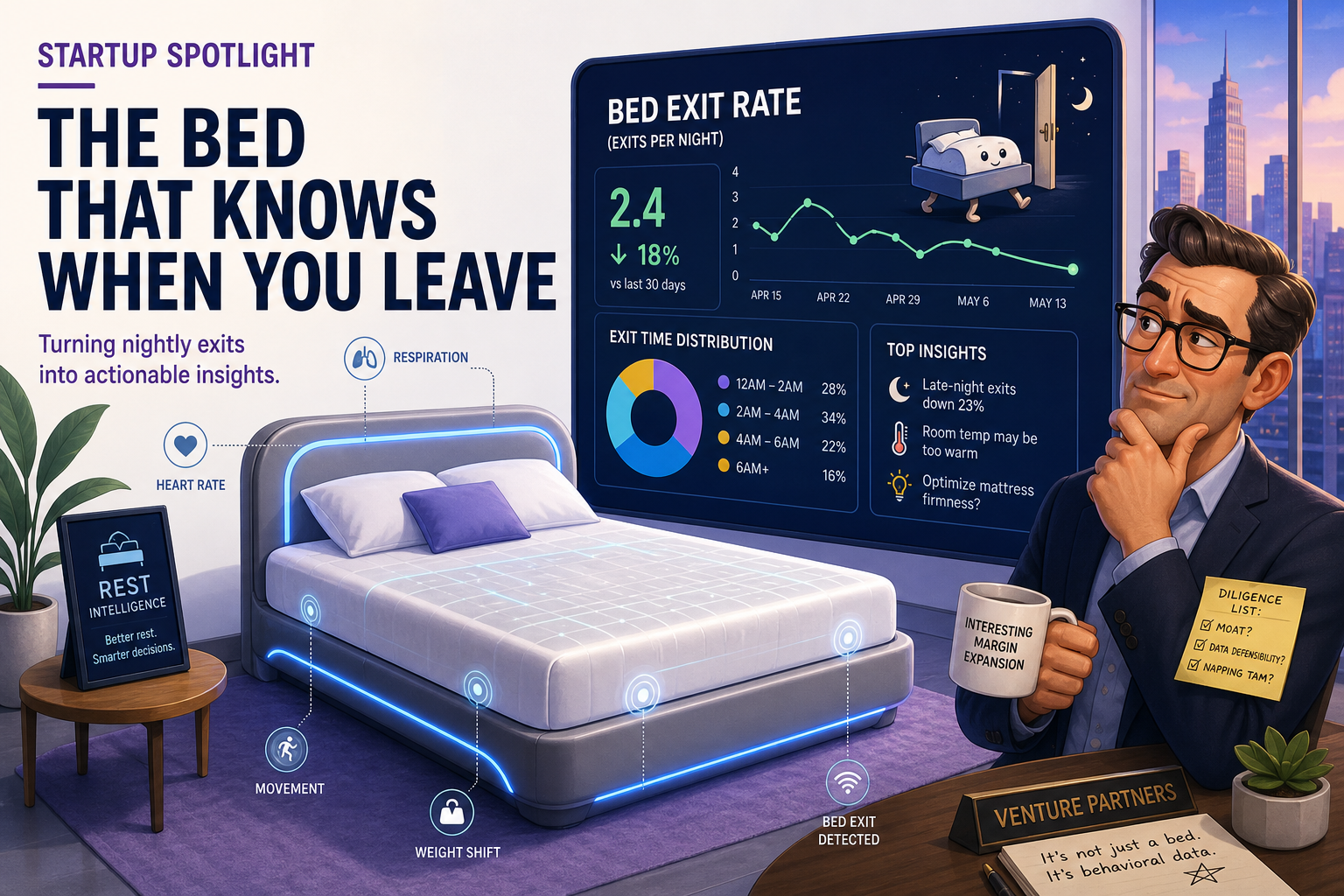
The platform aims to provide users with personalized insights into their sleep patterns, enabling them to wake up at the optimal time based on their sleep cycles. This data-driven approach not only appeals to consumers seeking to improve their morning routines but also taps into the broader trend of health and wellness technology.
Technological Innovation: Electronic Skin Sensors
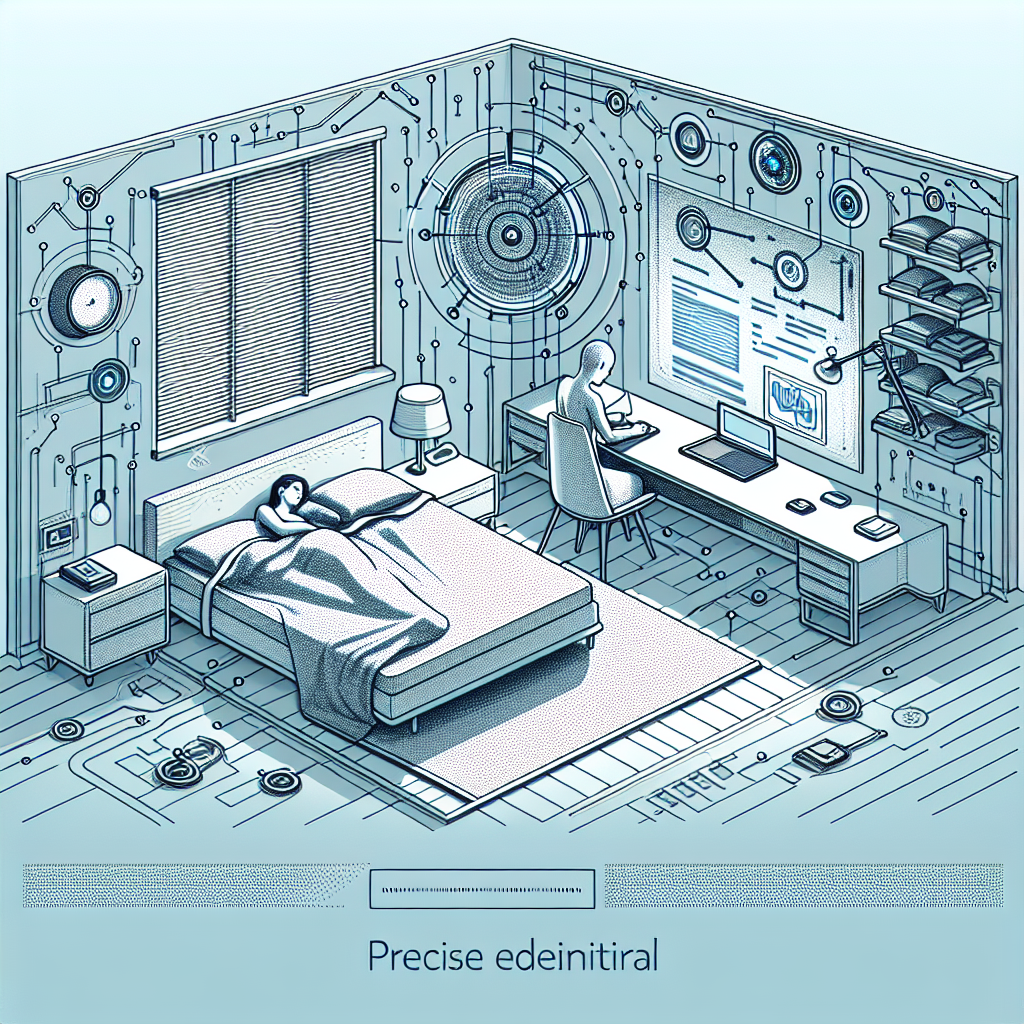
At the core of this startup's offering are electronic skin sensors that monitor biometric data in real-time. These sensors analyze various physiological responses and sleep stages, allowing the platform to predict the best time for users to wake up. This innovative technology positions the startup as a potential leader in the sleep optimization market, as it combines cutting-edge sensor technology with user-friendly software.
However, while the technology is promising, there are inherent risks associated with the adoption of such devices. Users may be hesitant to integrate new technology into their daily routines, particularly when it involves personal health data. Therefore, the startup must prioritize user education and trust-building to ensure widespread adoption.
Investor Diligence and Market Viability
The significant investment received by the startup underscores the confidence investors have in the potential of sleep technology. However, investors must conduct thorough due diligence to assess the viability of the business model, the scalability of the technology, and the competitive landscape. The sleep technology market is becoming increasingly crowded, with numerous players vying for consumer attention. As such, differentiation will be crucial for success.
Moreover, investors should evaluate the startup's go-to-market strategy, including its marketing approach and partnerships. Collaborations with health professionals, wellness influencers, and sleep clinics could enhance credibility and facilitate user acquisition.
Challenges and Risks
While the prospects for sleep technology are promising, several challenges must be addressed. The startup will need to navigate regulatory considerations related to health data privacy and security, as well as potential skepticism from consumers regarding the efficacy of its technology. Additionally, the startup must ensure that its platform is user-friendly and accessible to a broad audience, as complex interfaces may deter potential users.
Furthermore, as the market evolves, the startup will need to stay ahead of technological advancements and consumer preferences. Continuous innovation will be essential to maintain relevance and competitiveness in this fast-paced industry.
Conclusion
The emergence of startups focused on sleep technology represents a significant opportunity within the broader health and wellness market. As consumers increasingly prioritize sleep quality, innovative solutions that leverage biometric data are likely to gain traction. However, for startups to succeed, they must navigate challenges related to adoption, regulatory compliance, and market competition.
Ultimately, the future of sleep technology will depend on the ability of these startups to deliver on their promises and provide tangible benefits to consumers seeking to enhance their daily routines.
Editor's note: This article is original market analysis and not investment advice.
What's Your Reaction?
 Like
0
Like
0
 Dislike
0
Dislike
0
 Love
0
Love
0
 Funny
0
Funny
0
 Angry
0
Angry
0
 Sad
0
Sad
0
 Wow
0
Wow
0