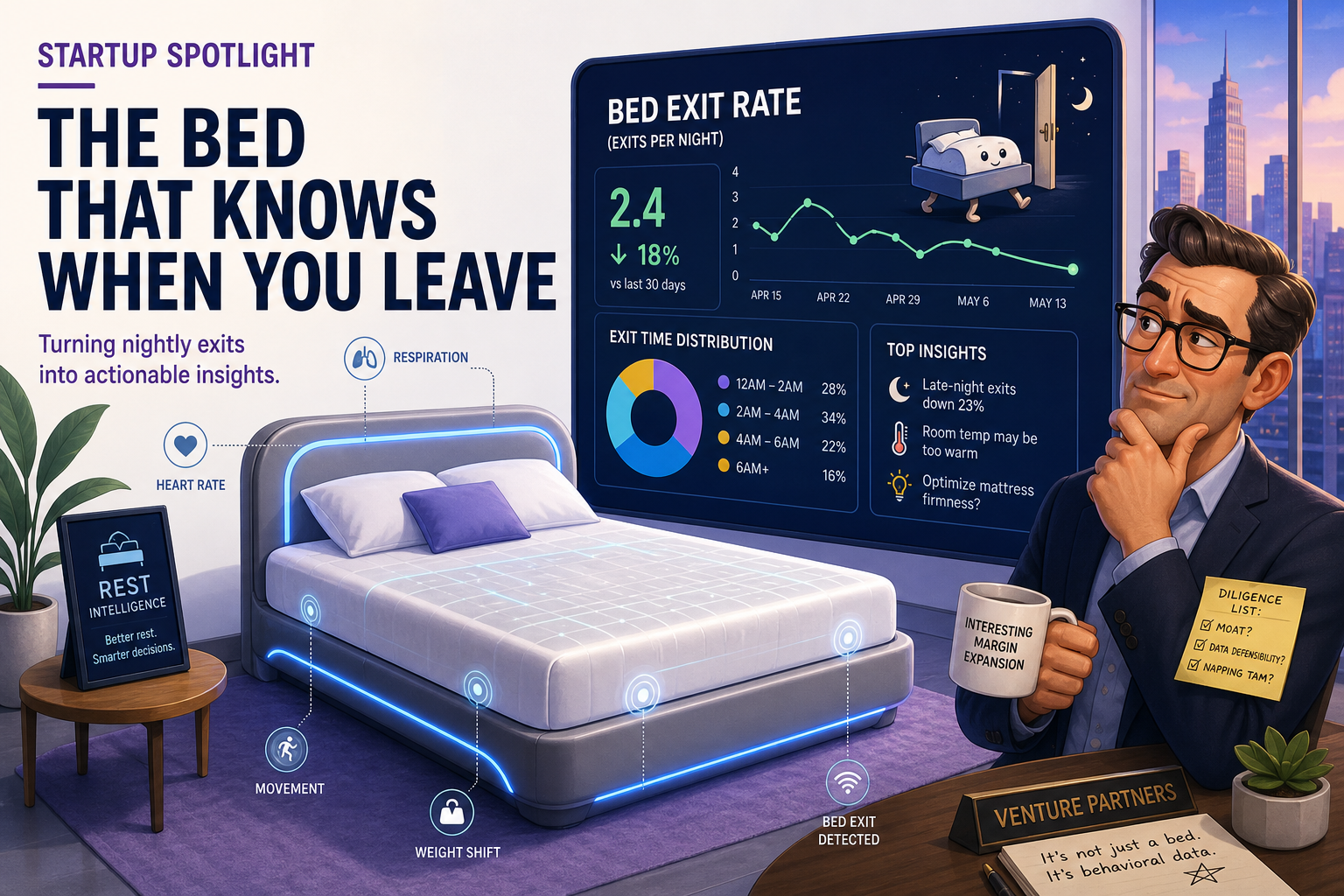





Analyzing the Market Potential of Hangover Recovery Technology
Analyzing the Market Potential of Hangover Recovery Technology By Startup Korea Research Desk | May 03, 2026 The emergence of innovative health technologies has led to a variety of products aimed at enhancing wellness and recovery. One of the la...


Analyzing the Market Potential of Hangover Recovery Technology
By Startup Korea Research Desk | May 03, 2026
The emergence of innovative health technologies has led to a variety of products aimed at enhancing wellness and recovery. One of the latest entrants into this market is a hangover recovery robot, which has garnered attention for its unique approach to alleviating the discomfort associated with excessive alcohol consumption. This analysis explores the market trends, business model viability, adoption risks, and strategic considerations for startups in this niche.
Market Trends and Opportunities
The global hangover recovery market is estimated to be valued at approximately $3 billion, with a projected annual growth rate of 7%. This growth is fueled by increasing consumer awareness of health and wellness, particularly among younger demographics who frequently engage in social drinking. The rise of wellness culture has created a fertile ground for products that promise to mitigate the negative effects of alcohol consumption.
As consumers seek more effective and convenient solutions for hangover recovery, the integration of technology into this space presents a significant opportunity. Startups that can leverage advancements in artificial intelligence and robotics to create personalized recovery experiences may find themselves at the forefront of this emerging market.
Business Model Viability
The business model for a hangover recovery robot typically revolves around offering a premium product that combines technology with personalized health solutions. By utilizing algorithms based on behavioral economics, these devices can tailor recovery plans to individual user preferences and past drinking habits. This level of customization not only enhances user experience but also positions the product as a unique offering in a crowded market.
However, the pricing strategy is critical. With products priced in the range of $5,000, companies must ensure that the perceived value aligns with consumer expectations. This requires robust marketing strategies that effectively communicate the benefits of the product, as well as evidence of its efficacy in improving recovery times and overall wellness.
Adoption Risks and Consumer Perception
Despite the promising market potential, there are inherent risks associated with the adoption of hangover recovery technology. Consumer skepticism regarding the effectiveness of such devices can pose a significant barrier to entry. Many potential users may view the product as a novelty rather than a legitimate health solution, which could hinder widespread acceptance.
Furthermore, the challenge of educating consumers about the science behind the technology is paramount. Startups must invest in educational campaigns that highlight the research and development efforts that underpin their products. Establishing credibility through partnerships with health professionals or endorsements from reputable organizations can also help mitigate skepticism.
Investor Diligence and Market Competition
As the health tech sector continues to attract investment, startups in the hangover recovery space must demonstrate a clear value proposition to secure funding. Investors are increasingly focused on the scalability of business models and the potential for long-term profitability. Companies that can showcase a well-defined market strategy, a solid understanding of consumer behavior, and a plan for sustainable growth are more likely to attract interest from venture capitalists.
Moreover, competition in the health tech landscape is intensifying. Startups must be prepared to differentiate themselves from existing products and services that target similar consumer needs. This could involve enhancing product features, improving user experience, or offering complementary services that enhance the overall recovery process.
Founder Strategy and Future Outlook
For founders entering the hangover recovery market, a strategic approach is essential. This includes not only product development but also a focus on building a strong brand identity that resonates with target consumers. Engaging with potential users through social media and community events can foster brand loyalty and generate valuable feedback for product improvement.
Looking ahead, the future of hangover recovery technology will likely depend on continued innovation and responsiveness to consumer needs. As the market evolves, companies that prioritize research and development, alongside effective marketing strategies, will be better positioned to capitalize on emerging trends and consumer preferences.
In conclusion, while the hangover recovery technology market presents exciting opportunities, it is essential for startups to navigate the associated risks carefully. By focusing on delivering value, fostering consumer trust, and maintaining a competitive edge, these companies can thrive in a rapidly changing landscape.
Editor's note: This analysis is original market research and does not constitute investment advice.
What's Your Reaction?
 Like
0
Like
0
 Dislike
0
Dislike
0
 Love
0
Love
0
 Funny
0
Funny
0
 Angry
0
Angry
0
 Sad
0
Sad
0
 Wow
0
Wow
0