
Analyzing the Market Potential of AI-Driven Baby Cry Translation Technology
By Startup Korea Research Desk | Apr 19, 2026 The intersection of artificial intelligence and parenting has garnered significant attention in recent years, particularly with the emergence of startups focused on innovative solutions for new paren...

By Startup Korea Research Desk | Apr 19, 2026
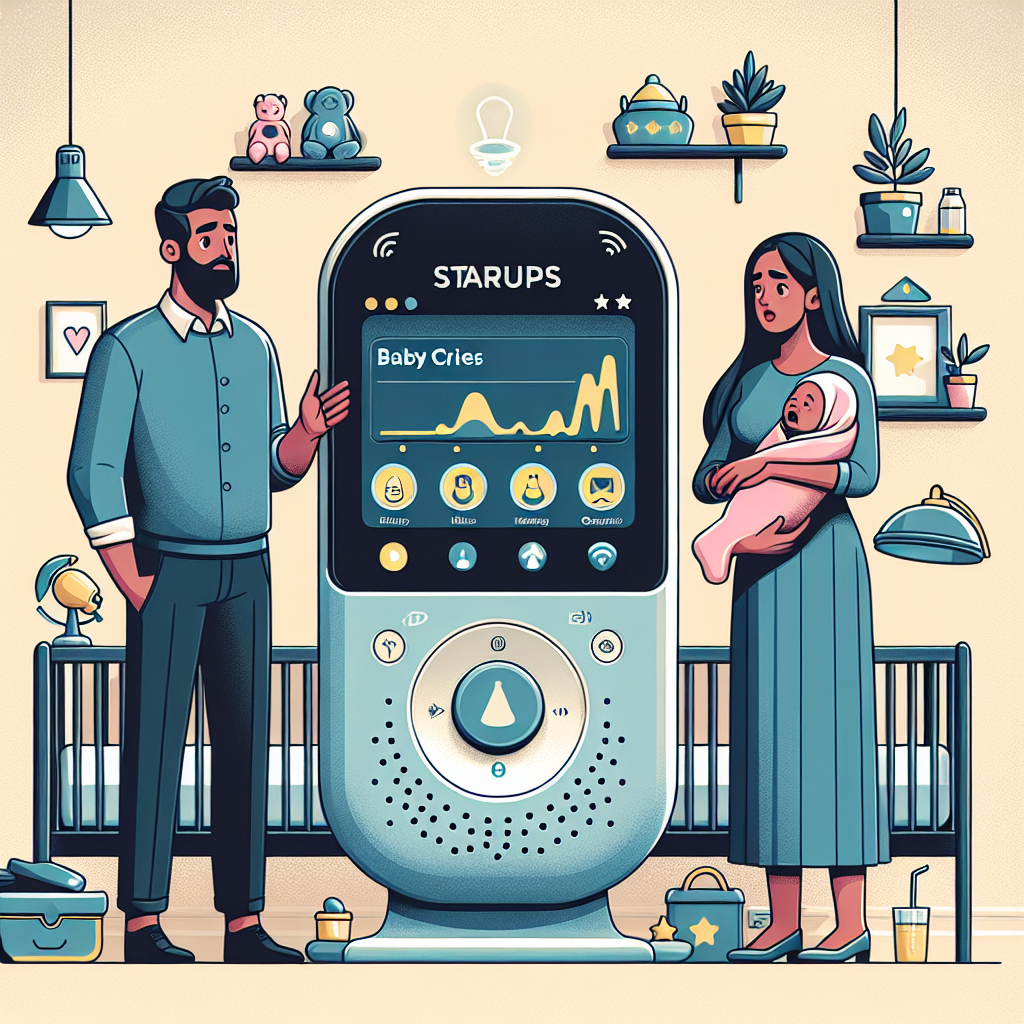
The intersection of artificial intelligence and parenting has garnered significant attention in recent years, particularly with the emergence of startups focused on innovative solutions for new parents. One such venture has recently attracted considerable investment, raising $100 million from sovereign wealth funds to develop technology aimed at translating baby cries into human language. This analysis explores the market trends, business model viability, adoption risks, and strategic considerations for founders in this niche sector.
The Technology Landscape
The core proposition of translating baby cries into understandable language relies on advanced AI algorithms and machine learning models. These technologies analyze audio patterns and emotional cues, aiming to provide parents with insights into their infants' needs—be it hunger, discomfort, or the need for attention. The sophistication of this technology is comparable to other AI applications, yet it raises questions about accuracy and reliability.
Market Context
The global baby care market is projected to reach $12 billion by 2030, with a compound annual growth rate (CAGR) of 8.5%. This growth is driven by a rising number of tech-savvy parents who are increasingly willing to invest in products that promise to enhance their parenting experience. The potential for AI-driven solutions in this space is substantial, as they cater to the emotional and practical needs of parents navigating the complexities of raising children in a fast-paced world.
Consumer Demand and Trends
Today's parents face unique challenges, including balancing remote work with childcare and managing the distractions of digital media. This context creates a heightened demand for tools that can simplify parenting tasks. AI solutions that promise to decode baby cries tap into a market of anxious parents seeking reassurance and support. However, the effectiveness of these technologies in delivering meaningful insights remains a critical factor for consumer adoption.
Investment Landscape
The recent funding round led by sovereign wealth funds indicates a growing interest in the intersection of technology and parenting. Investors are betting on the notion that innovative solutions can capture a significant share of the baby tech market. However, due diligence is essential, as the viability of such products hinges on their ability to genuinely enhance parenting experiences rather than merely serve as novelty items.
Challenges and Risks
Despite the promising market potential, there are notable challenges and risks associated with AI baby cry translation technology. Critics argue that the emotional nuances of a baby's cry may be difficult to capture accurately, leading to potential misunderstandings. Furthermore, the reliance on technology in parenting raises ethical considerations regarding parental instincts and the role of human intuition in caregiving.
Strategic Considerations for Founders
For founders in this space, a clear understanding of the target market and its needs is paramount. Building a product that genuinely addresses the concerns of parents while ensuring accuracy and reliability will be key to gaining traction. Additionally, effective marketing strategies that resonate with the emotional aspects of parenting can enhance product adoption.
Conclusion
The emergence of AI-driven baby cry translation technology represents a fascinating development in the baby care market. While the potential for innovation is significant, the path to successful adoption is fraught with challenges. Founders must navigate the complexities of consumer expectations, technological limitations, and ethical considerations to create solutions that truly benefit parents and their children.
Editor's note: This is original market analysis and not investment advice.
What's Your Reaction?
 Like
0
Like
0
 Dislike
0
Dislike
0
 Love
0
Love
0
 Funny
0
Funny
0
 Angry
0
Angry
0
 Sad
0
Sad
0
 Wow
0
Wow
0